Do families in Oslo avoid neighbourhoods with non-Western immigrants?
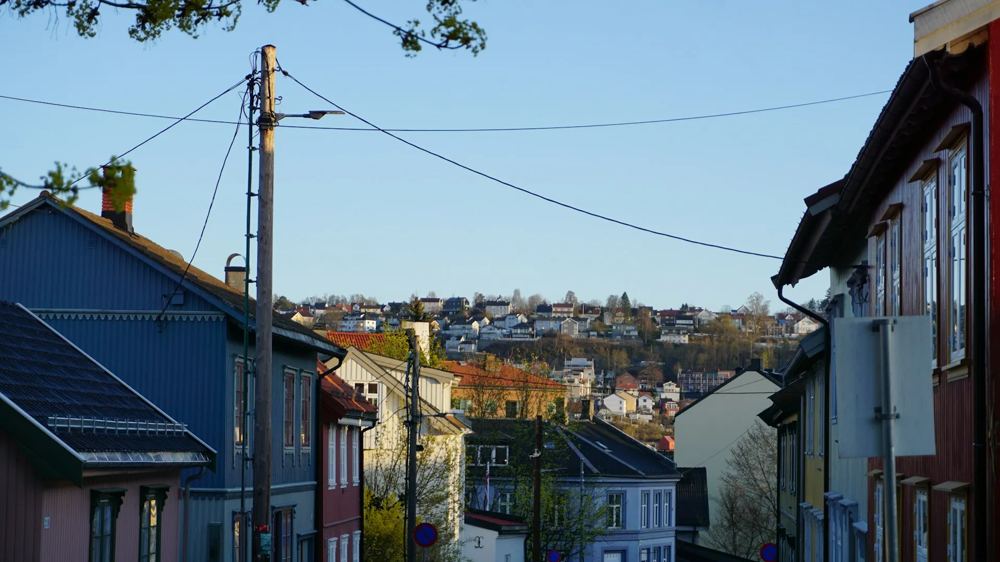
Those living in Oslo have long perceived the city's distinct residential divisions, and new academic research now provides data to back up those impressions.
Those living in Oslo have long perceived the city's distinct residential divisions, and new academic research now provides data to back up those impressions.
A study by researchers at NOVA at Oslo Metropolitan University, published by forskning.no , investigated how families in the capital region choose where to live, revealing clear patterns.
Using data from over 20,000 family moves between 1993 and 2017, the study showed that despite city policies to encourage integration, families’ choices still lead to demographic divisions in Oslo.
Specifically, Norwegian-born parents from all income and wealth levels avoid moving to neighbourhoods with high proportions of non-Western immigrants.
Lead researcher Professor Lena Magnusson Turner said this trend is worrying. “Although policy facilitates people from different socio-economic classes living in the same neighbourhood, we see that the population chooses differently.”
Turner explained that people also look for neighbours who are similar to themselves, while less affluent families actively avoid areas where they would feel financially inferior.
“When people move and have the opportunity to choose, they move to neighbourhoods where they find people who are like them. People don't seek out neighbourhoods where the inequalities are too great,” she said.
The study also established that accumulated wealth influences neighbourhood selection far more than income, leading the most affluent households to cluster in specific areas.
When looking at families with children, the study revealed that parents with daughters care more about the economic status of their neighbours than parents with sons. “We think it's about ideas parents have about protecting their girls to a greater extent, while assuming boys can handle themselves,” Turner added.