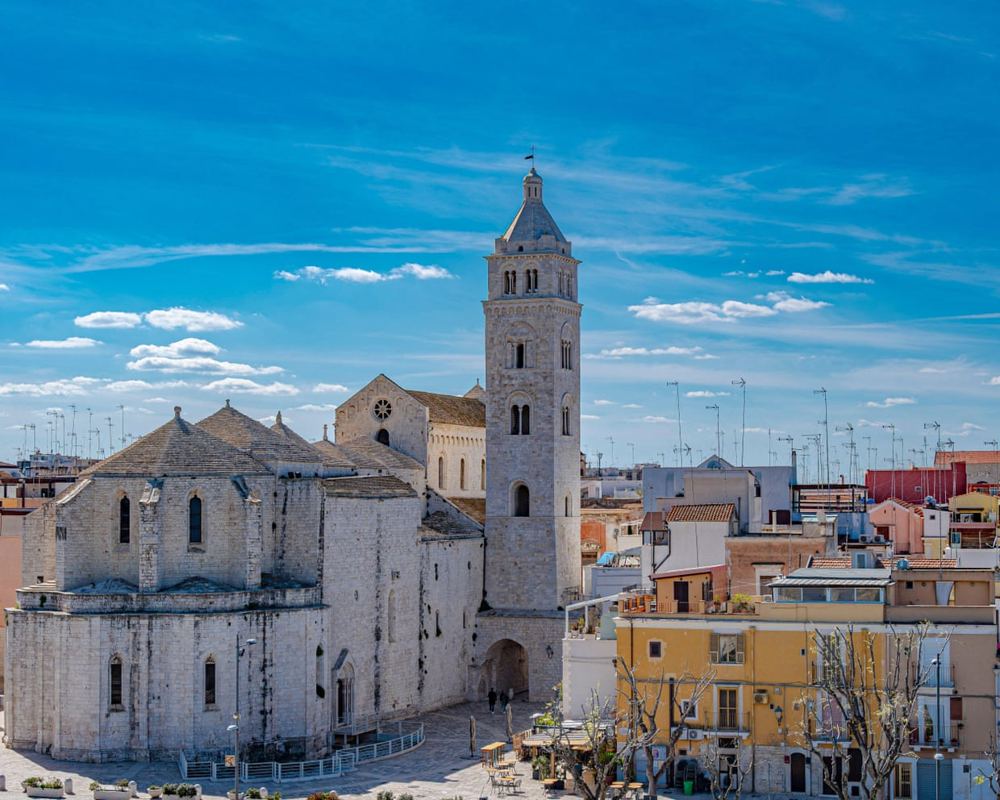
The remote French beach where allied troops began the liberation of Europe in D-Day landings now being used as a mega dinghy launch pad bringing migrants to Britain
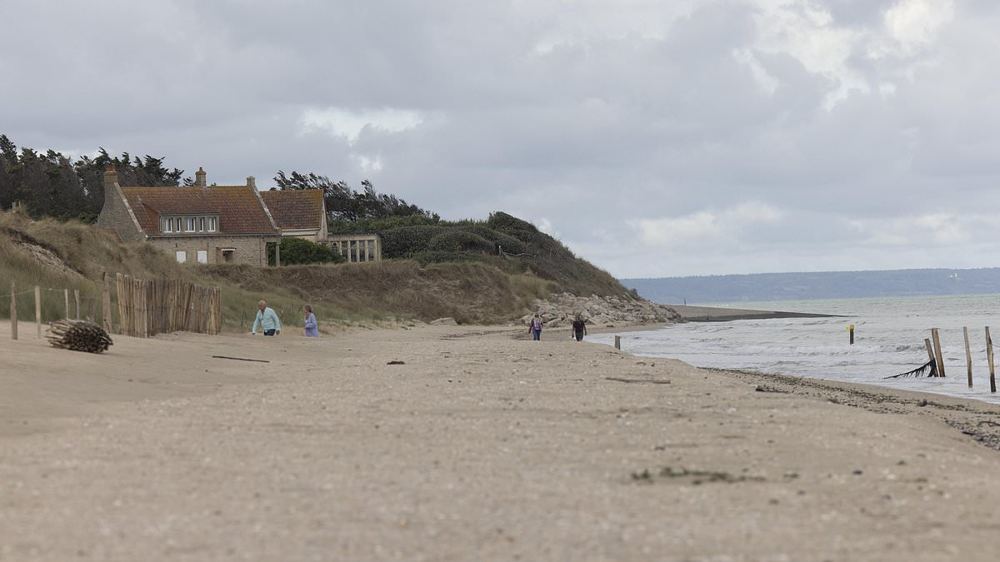
On the 6th of June 1944 tens of thousands of allied troops arrived at Utah beach in Normandy to start D-Day. On Sunday a mega dinghy left the same beach bound for Britain.
Published: 14:59 BST, 13 September 2026 | Updated: 18:14 BST, 13 September 2026
It's a remote stretch of Channel coastline which had a role in 20th-century history so fabled that it still attracts groups of tourists daily.
Utah Beach was one of the key battlefields for the tens of thousands of allied troops who braved the German machine guns to storm their way into Normandy and begin the liberation of Europe from the Nazis on the morning of June 6, 1944, D-Day.
This week, some 82 years and 92 days on from that legendary invasion, a reverse journey occurred which afforded an altogether less glorious glimpse of the Great Britain of today: a boat launched from Utah Beach and made its way to the same stretch of Solent coast that so many of those D-Day heroes had embarked from.
But instead of sailing into machine-gun fire and exploding grenades, it arrived into the full glare of the UK's 21st-century culture wars, in which rising public indignation about the seemingly unstoppable tide of small boat migrants has tipped some into apparent mimicry of the very Nazis their great grandfathers fought so bitterly against.
At around 3.30am BST last Sunday, a so-called super dinghy, overloaded with an estimated 130 migrant passengers, embarked from the famous D-Day beach some 25 miles south-east of Cherbourg, the port beloved of middle-class British holidaymakers heading to cultured Normandy or serene Brittany.
The vessel, thought to have been imported by people smugglers from China and assembled in Germany, had made it just four miles out to sea, and was still in the relative shelter of the Bay of the Seine, when it was intercepted by four French boats, marine traffic records show.
Utah Beach in Normandy is a stretch of coast that bears huge historical significance; it is where on June 6, 1944, tens of thousands of allied troops arrived to begin the liberation of Europe - D-Day
Some 82 years ago at 6.30am American troops from the US 4th Infantry Division began landing at Utah Beach to begin the most significant military operation of the Second World War
On that momentous day which changed the course of history, 20,000 US troops and 1,700 vehicles landed on Utah Beach. By the end of the first day, they had advanced four miles inland
But instead of forcing it to turn back, the French boats, as their rules of engagement insist they must, merely shadowed the 34ft inflatable's movement for some ten hours, while alerting the UK authorities it was precariously heading their way.
Two RNLI boats were then dispatched from Bembridge and Yarmouth, the lifeboat stations on the east and west ends respectively of the Isle of Wight and, for good measure, a rescue helicopter joined them too.
Somewhere towards the midway point of the 95-mile stretch of sea between Utah Beach and the south coast of England, the RNLI boats took over escort duty from their French counterparts, and then the decision was then taken to 'rescue' the migrant passengers by getting them off the unstable dinghy and onto those two lifeboats.
Those not wearing one already were given lifejackets and all were helped to transfer safely.
The RNLI teams, travelling unusually slowly as their boats were so overloaded, while in contact with Border Force, then radioed ahead to seek clearance to bring them ashore. However, the commercial ports of both Portsmouth and Southampton declined their request, insisting that they lacked the facilities required to process such a party.
Eventually, at around 5pm on Sunday afternoon, the migrants reached the UK coast and were brought ashore at Eastney Landing, a public slipway close to the ferry port area of Portsmouth.
But by this time news of the operation was circulating locally. And, by unhappy coincidence, Portsmouth, until now not directly involved in the small boats saga because of its sheer distances from the French coast, also happened to be the base for a new player in this arena, a hard-Right protest group that styles itself 'Patriot Platform'.
Its leader, 'Danny Tommo', real name Daniel Thomas, grew up in the area.
The balaclava-masked anti-immigration group had just the previous day brought the port of Dover to a standstill in an intimidating 'stop the boats' protest. And here was a live incident on their doorstep that they could respond to rapidly.
The arriving migrants were therefore greeted with fury by protesters, some even wading into the sea for dramatic effect, in scenes of intimidation which shocked the country.
And if third choice landing point Eastney was thought the best bet in an emergency for bringing the migrants ashore, it had one distinct flaw: there is only a single road in and out which was quickly blocked.
A tense stand-off then ensued which went on until the early hours of Monday morning.
It was only safe for the migrants to finally be moved out, on coaches, to begin the inevitable process of claiming asylum in Britain, almost 12 hours after they had arrived.
The group of over 100 undocumented mostly adult-male migrants had successfully completed the furthest ever recorded small boat Channel crossing.
The attempt had clearly taken both the French and the British authorities by surprise, just as, one might reflect, the D-Day landings had once surprised Hitler.
In the eight years since small boats began crossing the Channel, almost all have embarked from the area closest to mainland Britain, the stretch of coast around Calais and Dunkirk.
So why did this famous but remote beach, which is more than three times further from Britain than Calais, come to be part of the small boats saga, and will it happen again?
When the Daily Mail visited the peninsula in Normandy this week we discovered that while Sunday's crossing may have been the first from the area it looks unlikely to be the last.
Many of those involved in Sunday's audacious crossing are thought to have spent the days or weeks leading up to it at a camp which, like its notorious antecedent in Calais, is nicknamed 'The Jungle'.
Tucked away in a forest behind a school and sports centre in a suburb overlooking the port of Cherbourg, the encampment is some 30 miles from Utah Beach.
An Afghanistan flag hangs from a tree welcoming new arrivals while discarded shopping trolleys and a broken portable toilet cabin comprise an entrance to a clearing in which around 15 tents have been erected over wooden pallets to keep them dry from below.
Surrounding trees are hung with drying clothes. Litter is strewn across the camp, at the far end of which is a makeshift kitchen.
Clothes and other items belonging to other residents are strewn across some of the tents. There is no space to bring bags on the dinghies laid on by the gangsters so those who try to cross the Channel must leave almost everything behind, which accounts for much of the debris.
Fast forward to the early hours of Sunday morning and a rather different journey was taking place; a mega-dinghy carrying 140 migrants was taking the opposite route heading for Britain
Once the 34ft long vessel had travelled roughly four miles from the beach, it was intercepted by four French boats and supported on the ten hour journey to reach Portsmouth. Anti-migration protesters gathered on the south coast for their arrival - and some waded into the water to try to disrupt the arrival as migrants were brought in on RNLI boats
At 5pm on Sunday, the migrants reached the UK coast and were brought ashore at Eastney Landing, a public slipway close to the ferry port area of Portsmouth. The single road approaching the slipway was blocked by hundreds of protesters until 3am on Monday
A tense stand-off lasted for 10 hours as riot police held the activists back and the migrants waited until they could be taken to an asylum processing centre in Kent
One resident told the Daily Mail: 'The people here change. Most move every few weeks or months.
'They want to come to England. They only stay here for a bit and dream of the UK.'
Another said: 'We want to be able to take the boat, leave Cherbourg and get to England. We have family on the other side.'