Trump phoned Jensen Huang onstage at the All-In Summit to call AI fear a hoax
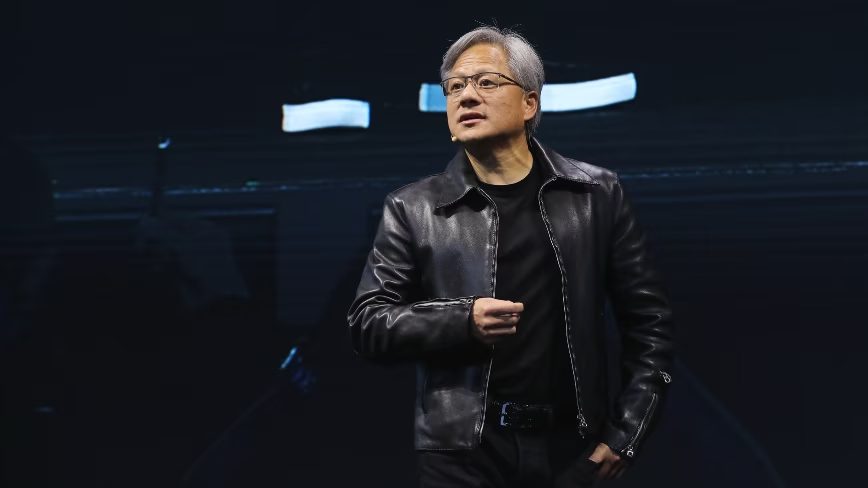
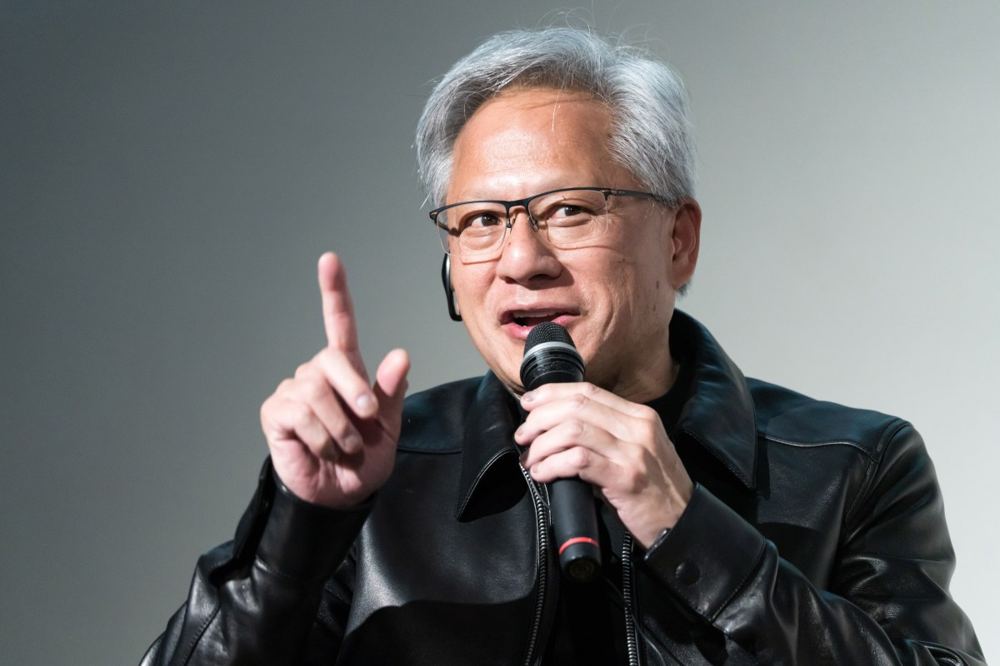
Jensen Huang was midway through an interview at the All-In Summit in Los Angeles on Monday morning when his phone rang. It was Donald Trump. Huang put him on speakerphone, and the president opened by noting that Huang can design the most complex computer chip in the world but “can’t figure out how to put […] This story continues at The Next Web
Jensen Huang was midway through an interview at the All-In Summit in Los Angeles on Monday morning when his phone rang. It was Donald Trump.
Huang put him on speakerphone, and the president opened by noting that Huang can design the most complex computer chip in the world but “can’t figure out how to put you on speaker”.
What followed was a joint rejection of the argument that has dominated the industry for a week.
“The robots will not be taking over. The AI will not be taking over the rest of the world. The whole thing is a hoax,” Trump said, in remarks reported by Axios .
Opposition to AI, he added, plays into the hands of people who do not want America to succeed:
The exchange happened from the room, where the summit is hosted by the All-In podcast and its investor presenters, among them David Sacks, Chamath Palihapitiya, Jason Calacanis and David Friedberg. The crowd applauded.
The call landed two days after Dario Amodei said the industry must slow down the rate at which model capabilities improve, and Sam Altman matched it within hours, with Elon Musk agreeing as well.
Trump had already dismissed extinction fears outright the week before. Monday added the chief executive of the company that sells the hardware to the same side of the argument.
Except that Huang did not quite take Trump’s position. Speaking at the same event, he called apocalyptic predictions “not grounded in science” , which is a narrower claim than a hoax.
He also praised Jacob Coxon, the researcher who quit Anthropic on 9 September, saying the labs were gambling with our lives, crediting him with “great courage”.
And he said companies should “pause or pace their work if they feel that their company is out of control”.
Huang’s position there sits close to what Amodei asked for. The distinction he appears to be drawing is between a company slowing itself down, which he can live with, and an industry-wide brake, which he cannot.
The distinction is a real argument rather than a slogan, and it is not the one the room applauded.
Trump’s China line has a documented kernel and a large gap around it. OpenAI reported in June that it had found a China-linked campaign using ChatGPT to stir opposition to American data centres, though its own investigator stressed the operation was interfering in an existing debate rather than manufacturing one, and an independent researcher at Clemson said his team had found little evidence of coordinated Chinese effort.
Local opposition to data centres is overwhelmingly domestic, and Trump has been fighting it in Texas, New York and elsewhere for months, having told Texans in August that data centres could be bigger than oil .
Nobody at the summit asked the obvious question. Nvidia sells the chips that any slowdown would leave unsold, which gives Huang the clearest commercial interest in the room of anyone discussing pace, and the president who called him was not there to test it.