A late Chagall self-portrait and a colourful crushed car sculpture: our pick of the September auctions and sales
Plus, a rare Chinese vase decorated with Buddhist lions and a moody landscape by Lois Dodd
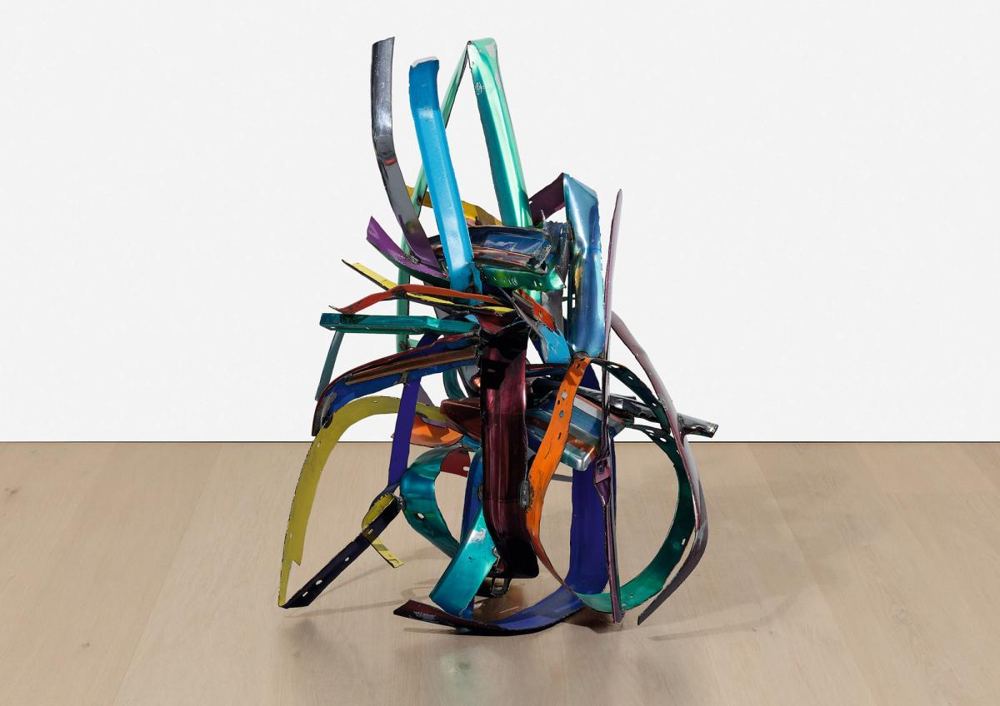
John Chamberlain’s crushed car sculptures of twisted, colourful metal helped transform post-war sculpture in America. The titles of these sculptures are often references to poetry and literature and full of double meanings. Chamberlain constantly revisited salvaged car parts throughout his career starting in 1956, and though assembled from discarded car parts, his sculptures resist any straightforward reading as found objects. Smile Code , made in 2003 from painted and chromium-plated steel, belongs to the final phase of his career.
Recognition for the 99-year-old painter Lois Dodd has increased in recent years, with museums and collectors reassessing the painter’s understated depictions of the American landscape across her more than five-decade long career. Dodd studied at Cooper Union before becoming the only female founding member of the Tanager Gallery, an influential artist-run cooperative in New York that also counted Alex Katz and Philip Pearlstein among its members. Working largely en plein air , Dodd found enduring subjects in gardens, trees and domestic views. Her market has strengthened alongside growing institutional attention, with works in the collections of New York’s Museum of Modern Art and Metropolitan Museum of Art, and a major exhibition at Kunstmuseum Den Haag earlier this year. This nocturnal view, painted in 1995, comes from the estate of Lee Beltzer, a friend of the artist and a Brooklyn College professor.
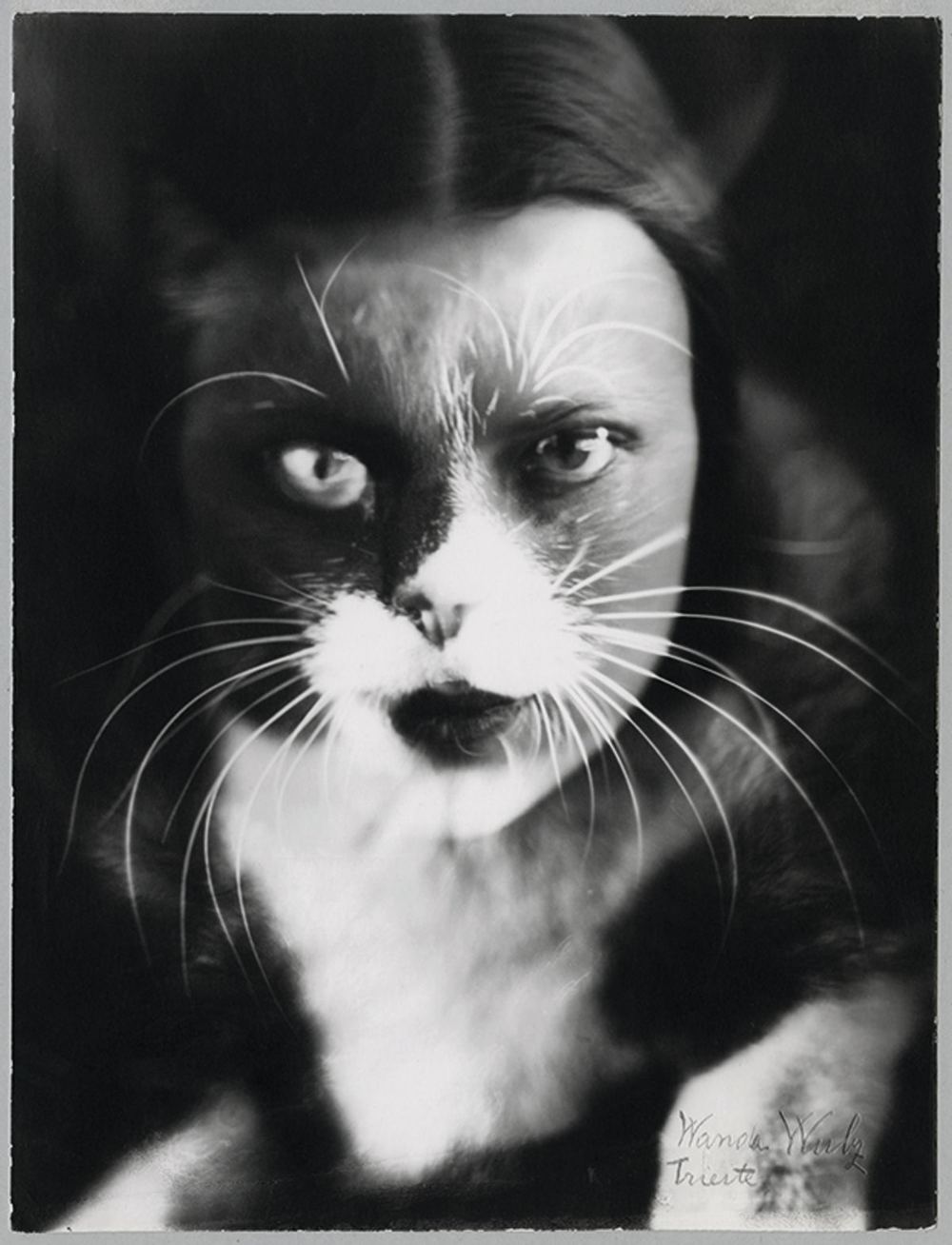
In Le peintre à Paris , Chagall looks back on the city through a deeply personal lens, portraying himself at work painting while surrounding the composition with motifs that are recurring in his art, including the Eiffel Tower, lovers embracing, flowers and farm animals. Paris remained a touchstone for the Russian French artist long after he first arrived in the city in 1910 and joined the avant-garde creative community at La Ruche in Montparnasse, alongside artists including Fernand Léger and Amedeo Modigliani. Painted toward the end of his life, this intimate self-portrait reflects on the influences that shaped Chagall’s career. Le peintre à Paris was included in an exhibition last year at the Musée Jean Couty in Lyon. The painting will be offered by Galerie Larock-Granoff on its stand at Fine Arts Paris (formerly Fab Paris), the fair held in the Grand Palais this month.
One of the highlights of Christie’s sales of Chinese art in New York this month is a rare 18th-century porcelain vase. Dating to the reign of the Qianlong Emperor, one of the longest-reigning monarchs in history, the underglaze blue and copper red “garlic-mouth” vase reflects the Qing court’s fascination with ancient bronze techniques first developed more than 2,000 years earlier. Its flattened body is decorated with three Buddhist lions chasing brocaded balls, a motif associated with imperial authority, protection and longevity. The combination of blue and red glaze is a sign of the high quality of the imperial kilns, as the unstable copper pigment was prone to bleeding during firing. The vase also bears an unusual Qianlong seal mark that scholars have linked to the celebrated imperial ceramicist and playwright Tang Ying, suggesting it was likely made before his death in 1756.