EU sanctions needed against Russian bot and troll factories, MEPs say
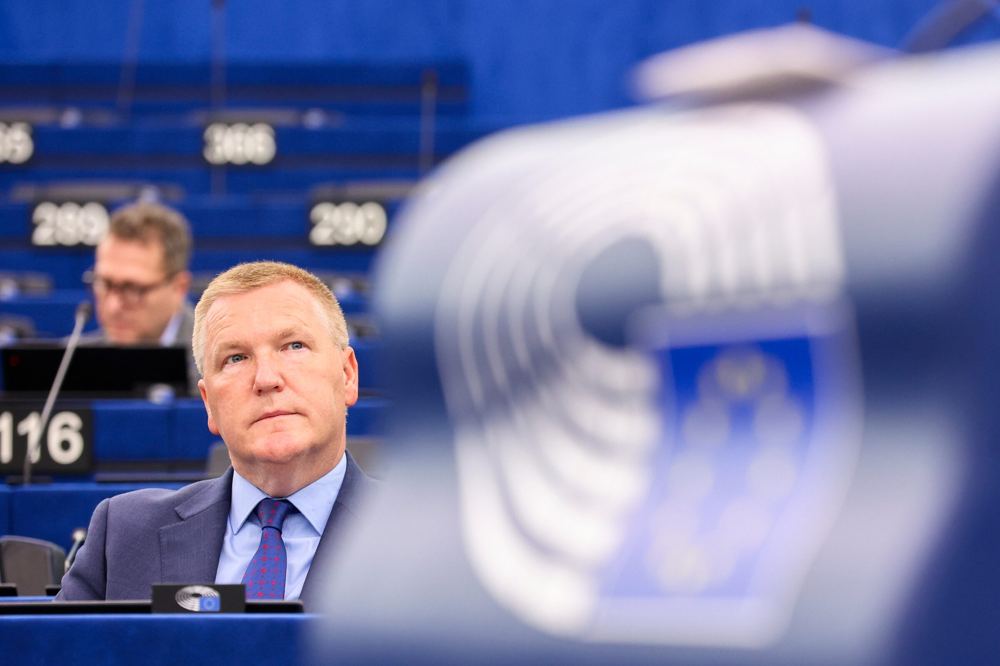
The parliament supports the European Democracy Shield proposal and calls for sanctions to fight Russian disinformation campaigns.
Foreign actors spreading disinformation should face harsher sanctions, MEPs agreed on Tuesday (15 September), while identifying Russia as the “primary external threat to Europe’s security and democratic integrity”.
“Russia is using troll factories and bot networks and investing massively to try to destabilise our societies,” said Swedish centre-right MEP Tomas Tobé, the lead lawmaker on the report, which was backed in a European Parliament vote in Strasbourg.
Nathalie Loiseau, a French centrist MEP and chair of the committee which drafted the text, also told press: “Freedom of expression is not the freedom for robots to artificially amplify the debates crafted outside of Europe.”
The report, which passed with a large majority of MEPs with 420 votes in favour, 220 against, and 26 abstentions, aimed to strengthen the ‘European Democracy Shield (EDS)’, a counter-interference project proposed by the European Commission in 2025.
The EU Parliament has no legal power over Russia sanctions (which are decided by member states) or the commission’s EDS, but can create political pressure for action.
Most of the 220 MEPs who voted against the report were from the hard-right and far-right parties in the European Parliament.
“We have to fight foreign interference, but the answer to attacks from the outside is not interference from within,” said Polish MEP Beata Szydło from the European Conservatives and Reformists group, in what amounted to criticism of EU sanctions against Poland proposed back when her rightwing party was in power in Warsaw until 2023.
Zuzanna Stawiska is a junior reporter covering European affairs. She also writes stories for the European Correspondent.