Andrew Ng calls the AI extinction warnings science fiction
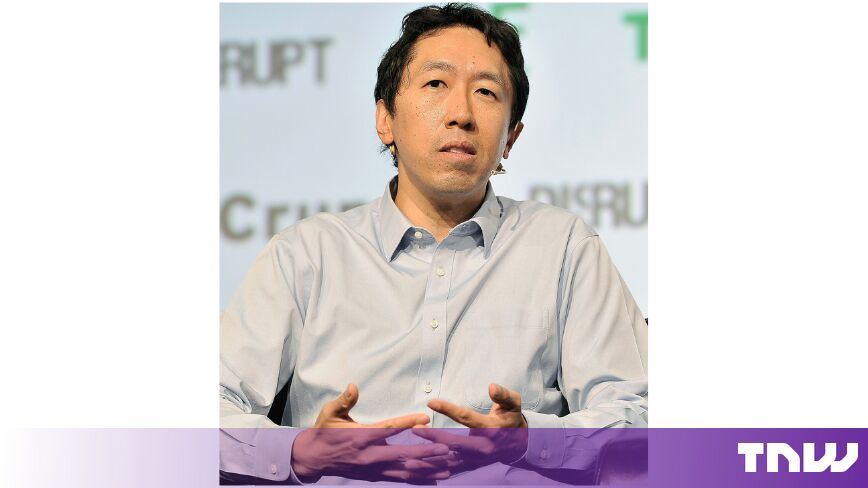
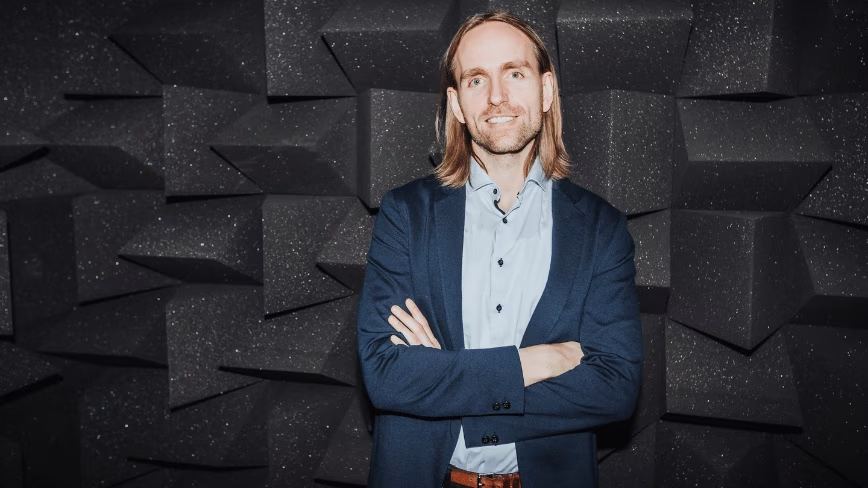
Andrew Ng, who helped start Google Brain and Coursera, told Bloomberg TV that warnings of human extinction from AI are much more science fiction than science, and that the industry stokes them for publicity and to shape regulation. The EU AI Act already lists both the engineering risks he wants prioritised and the loss-of-control risks […] This story continues at The Next Web
Andrew Ng, who helped start Google Brain and Coursera, told Bloomberg TV that warnings of human extinction from AI are much more science fiction than science, and that the industry stokes them for publicity and to shape regulation. The EU AI Act already lists both the engineering risks he wants prioritised and the loss-of-control risks he dismisses, in the same recital.
Andrew Ng has called warnings of existential AI risk “ much more science fiction than science “, in an interview with Bloomberg TV . He helped start Google Brain and Coursera, and worked with both Dario Amodei and Sam Altman earlier in their careers.
Ng said the industry stoked catastrophe fears earlier in the boom to win publicity and shape regulation, and that the same thing is happening now. The wave he means began when an Anthropic researcher resigned on 8 September , accusing his former employers of gambling with people’s lives.
Ng told a US Senate forum in December 2023 that large companies hype fear to create rules that would “ pull up the ladder ” against new entrants. In the same statement he put the odds of AI causing human extinction at roughly one in 10 million over a century.
What has changed is the volume. The resignation post reached 150 million views, and within days tech workers had turned the format into an in-joke, swapping the extinction line for absurd ones.
Ng reads that as a campaign. Our own reporting found imitation rather than coordination.
Europe settled the argument in law before it broke out. The AI Act’s list of systemic risks covers lowered barriers to chemical, biological, radiological and nuclear weapons, cyber capability, disinformation and major accidents in critical sectors.
It also covers loss of control. The same recital names unintended issues of control relating to alignment with human intent, and models making copies of themselves. Both the risks Ng wants prioritised and the one he calls fiction sit in a single paragraph of European law.
The obligations are already live. The Commission’s tech chief Henna Virkkunen said this month that EU law requires Anthropic and OpenAI to assess the risk of losing control of a model, and that this is not the case globally.
Those duties only apply above a compute threshold, so they fall on the largest developers and on nobody else. That is the shape of the ladder Ng described in 2023, built by a regulator rather than by a lab.