Could This Alternative Milk Actually Be Good For Healthy Aging?
Camel milk is having a wellness moment, but the science is still catching up.
Camel milk has gone from a regional staple to a buzzy wellness ingredient, with claims that it can support blood sugar, inflammation, brain health, and even healthy aging.
But there's a big difference between a food that contains promising compounds and one proven to help people age better.
A recent review 1 examined the research behind camel milk's growing health reputation, looking at what has actually been tested in humans and what remains largely theoretical.
Researchers from the Chinese Academy of Medical Sciences and Peking Union Medical College reviewed human, animal, and laboratory studies on camel milk and compounds such as lactoferrin and whey proteins.
They looked at potential effects on metabolic, heart, brain, and immune health.
The strongest human evidence involves blood-sugar control. Several clinical trials found that camel milk, when used alongside standard treatment, improved blood-sugar measures.
In one 16-week trial of 54 people with type 1 diabetes, those who drank 500 milliliters of camel milk daily had lower fasting blood sugar and HbA1c, a measure of average blood sugar over several months.
They also needed less insulin. Other trials in people with type 1 and type 2 diabetes reported similar improvements in blood sugar, while some also found changes in cholesterol and triglycerides.
That doesn't make camel milk a diabetes treatment, but it does give researchers a reason to keep studying it.
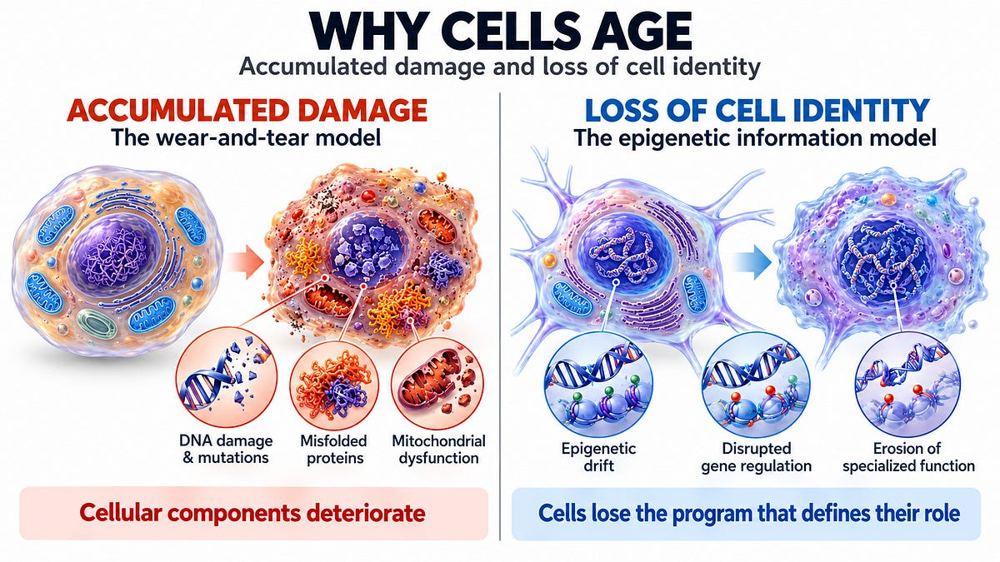
When it comes to aging itself, the evidence is much earlier. Animal and cell studies suggest camel milk and some of its compounds may help reduce inflammation and oxidative stress, which are linked to aging.
Some animal studies have also found changes in markers related to heart and brain health.
But these studies don't show that drinking camel milk protects people's brains, hearts, or immune systems as they age. The review authors describe the link to aging as a hypothesis, not something proven in humans.
It also matters what researchers are actually testing. Some experiments use isolated camel-milk proteins or extracts rather than whole milk, so a promising result in a lab doesn't necessarily mean you'll get the same effect from drinking camel milk.
You don't need to start drinking camel milk to support healthy aging. Instead, use the research as a reminder to focus on the areas that have stronger evidence behind them.
Camel milk has earned its place in the research conversation, especially when it comes to blood sugar. But when it comes to longevity, the science still has a ways to go.