Russia’s hybrid war and Trump’s tantrums are pushing Europe towards real strategic autonomy
Not for the first time, Russian behaviour has proved tactically smart but strategically stupid. The escalating stunts and provocations across Europe have worked in the short term. But European leaders are now far more willing to state bluntly that Russia is the perpetrator.
Donald Tusk, Poland’s prime minister, says Russia could hit Ukraine’s allies this year. Emmanuel Macron says the Kremlin’s attacks on critical infrastructure and industry are “intensifying”.
The French president summoned party leaders for an unusual crisis meeting on national security. And Canada has asked to join the Joint Expeditionary Force (JEF).
Not for the first time, Russian behaviour has proved tactically smart but strategically stupid. The escalating stunts and provocations across Europe have worked in the short term.
They made governments look weak and clueless. They worried the public. They showed that supporting Ukraine, even inadequately, has risks and costs. They exposed that Nato is configured for a war that Russia cannot and will not fight: a full-scale confrontation with the world’s most powerful military alliance.
They also showed that Nato is not set up for what is happening right now: a real war in Ukraine, and a campaign of mischief and mayhem elsewhere. We face a dangerous few months, or longer.
The countries that suffer these attacks are reacting. European leaders are now far more willing to state bluntly that Russia is the perpetrator.
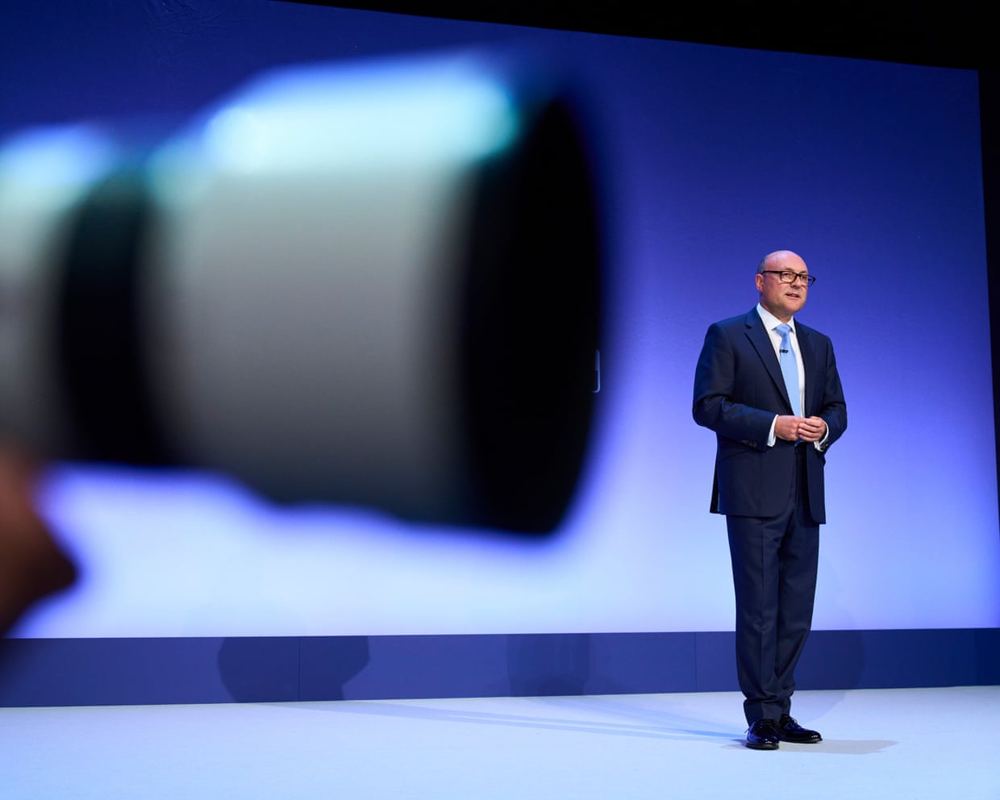
When US intelligence warned Germany in 2024 that a Russian hit-squad was planning to kill Armin Papperger , the CEO of Rheinmetall, chancellor Olaf Scholz did little to show Russia that trying to kill the boss of Germany’s biggest arms manufacturer was unacceptable and risky.
Edward Lucas is a former senior editor at The Economist, founder and director of the Baltic International Security Centre think-tank, and a regular writer on defence, security and espionage for The Times and Foreign Policy. He is the author of The New Cold War (2008) and Deception (2011).