Paramount Reaches Settlement With States Over Warner Bros. Discovery Acqusition
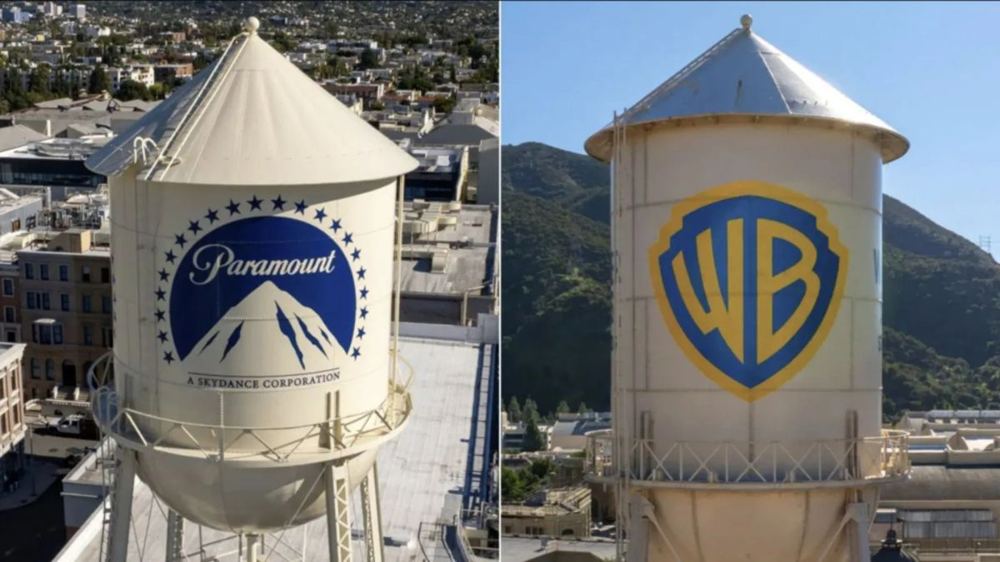
Conditions include protections for CNN and a commitment to release 30 movies annually across the merged studios. Paramount Reaches Settlement With States Over Warner Bros. Discovery Acqusition Alex Krinsky
Paramount has reached a settlement with California and several other states seeking to block its $110 billion acquisition of Warner Bros. Discovery , clearing one of the final major hurdles standing between the two Hollywood goliaths and their proposed merger.
According to Bloomberg and the New York Times , the settlement includes several key concessions: the states secured independent editorial boards for CBS and CNN; Paramount would pay $30 million for each film it falls short of CEO David Ellison’s pledge to release 30 movies annually across the combined studios; the company committed to spending an additional $1.5 billion on film production over the next five years; and Paramount could be forced to sell Miramax if it fails to meet those targets.
In their lawsuit, the states argued that bringing Paramount and Warner Bros. under the same roof would eliminate too much competition across film and cable television. Led by California Attorney General Rob Bonta, the coalition said the combined company would wield enough market power to raise prices for movies, television distributors, and consumers, while also reducing competition for workers and release dates. Paramount has disputed those claims, maintaining that the merger would instead help it compete more effectively with Netflix and Disney while increasing its overall content output.
Federal regulators had already cleared the acquisition, leaving the states’ antitrust case as one of its biggest and final obstacles. The settlement also comes ahead of an October 1st deadline, after which Paramount is on the hook to pay Warner Bros. Discovery shareholders roughly $7 million for each additional day the deal remains unfinished. The Writers Guild of America has separately sued to block the merger, arguing it could hurt compensation and working conditions for film and television writers.