The data storage crisis has a biological fix. It starts by making less DNA, not more.
The math behind the data storage problem is brutal. The world creates more information every year than it can afford to keep. Most of it is cold. It is almost never read, yet it cannot be deleted, so it accumulates on tape and disk that degrade, draw power, and demand replacement every few years. The cost compounds. It […] This story continues at The Next Web
TL;DR BioCompute wants to store the world’s cold data in DNA. Its contrarian bet is that reusing the medium, not manufacturing it, is how the cost finally comes down. And it has the early numbers to back the claim.
BioCompute wants to store the world’s cold data in DNA. Its contrarian bet is that reusing the medium, not manufacturing it, is how the cost finally comes down. And it has the early numbers to back the claim.
The math behind the data storage problem is brutal. The world creates more information every year than it can afford to keep. Most of it is cold. It is almost never read, yet it cannot be deleted, so it accumulates on tape and disk that degrade, draw power , and demand replacement every few years. The cost compounds. It does not stop.
DNA has always been the tantalizing way out. It is denser than anything silicon can offer, and it survives for centuries. The medium was never the problem. The cost of writing to it was.
For years, the field chased that cost in one direction. Make DNA cheaper to manufacture. BioCompute, a deep-tech company incubated in Berkeley decided the manufacturing was the mistake.
Its approach is to write data by marking reusable DNA templates rather than building new strands. The medium is reused, not consumed. That single reframing is the whole company, and it is what separates BioCompute from everyone else working on the problem.
A reframing is only as good as the evidence behind it. This is where BioCompute has moved fast. It has already demonstrated a write cost of $1 per megabyte, far below the cost of synthesizing DNA. What sets BioCompute apart is that it is building a full stack data storage device. Writing data to DNA and reading it back are usually treated as separate problems, solved by separate tools. BioCompute is engineering them as one stack: an enzymatic write process on reusable templates, paired with a nanopore read process it has licensed and is tuning to match. Designing the two to fit each other is how the company intends to drive the cost of writing down from a dollar per megabyte toward its target of a dollar per terabyte.
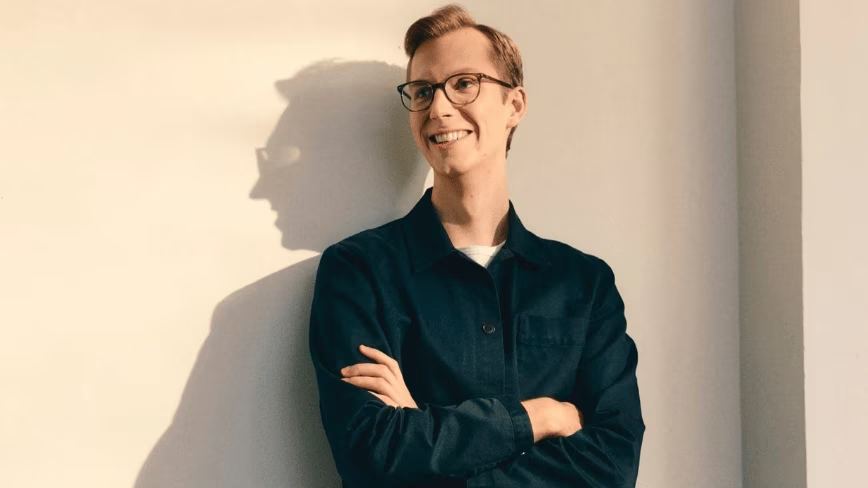
The founder fits the bet. Anagha Rajesh left a PhD in gene therapy at Oxford to start BioCompute. She co-authored what is described as the first textbook on DNA data storage, and she writes a Substack on data infrastructure and deep tech. An incoming cofounder brings signal acquisition and molecular biology under one roof, the two disciplines a DNA storage system has to master to write cleanly and read reliably.
Anagha says that storage is only the beachhead market. The same property that makes DNA a good archive, that information can be written into a molecule and read back out, is what convinces BioCompute the work continues past cold storage. The longer arc runs up the latency ladder, from archives toward faster tiers, and eventually toward computing with biomolecules rather than only storing on them. The company is starting with the data nobody can afford to keep, and aiming at something larger: biology as a medium for information itself.
Contributed article. Not produced by the TNW newsroom and does not reflect the editorial stance of TNW.