Nick Clegg dismisses fears that AI could wipe out humanity
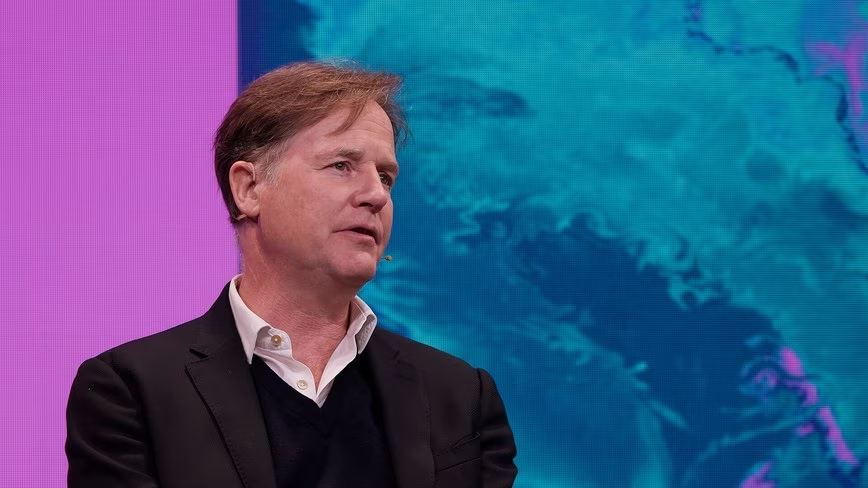
Nick Clegg has dismissed fears that artificial intelligence could one day turn on humanity and wipe it out, calling that view hand-wavy. The former UK deputy prime minister, who later ran global affairs at Meta, spoke on BBC Radio 4’s Today programme on Thursday, as the Guardian reported. Rather than worry about a godlike machine, […] This story continues at The Next Web
Nick Clegg has dismissed fears that artificial intelligence could one day turn on humanity and wipe it out, calling that view hand-wavy.
The former UK deputy prime minister, who later ran global affairs at Meta, spoke on BBC Radio 4’s Today programme on Thursday, as the Guardian reported .
Rather than worry about a godlike machine, he argued, AI companies should deal with specific threats that are already known. He named cyberattacks, bioweapons and people becoming emotionally dependent on chatbots.
Clegg also suggested that the doomsday warnings suit the firms issuing them, and that they risk stalling political debate about the technology.
“It sort of implies that we can only be made safe by having everything controlled, in effect, by an oligopoly of a small number of companies,” he said.
The industry is far from united on the question, according to Clegg. He said the head of one AI lab had told him the current debate was silly.
He also blamed a Silicon Valley culture in which engineers who work closely with the technology get carried away by their own ideas.
Clegg now has interests of his own in the sector. According to the Guardian, he owns more than 917,000 shares in UK data centre firm Nscale and co-founded AI startup AMI Labs.
Asked about OpenAI agents’ hack of Hugging Face , he said there was a case for clearer rules and more transparency. He doubted the Trump administration would back that, though, given its drive to win the AI race, and he expected little help from China.
Instead, he saw room for India, Europe and the US to work together more closely. Britain, he added, should be realistic about how much influence it has, since it does not lead the world on AI.
Clegg also rejected two popular fixes. A kill switch would not work, he said, and the evidence does not show that closed models are any safer than open-source ones.
What he wants is far greater transparency about how models are built and how they behave, achieved through a mix of voluntary action and regulation.
His scepticism echoes Nvidia’s Jensen Huang, who this week called Geoffrey Hinton’s warnings irresponsible.