Volkswagen is selling more EVs than petrol cars in Germany, and building them in Spain
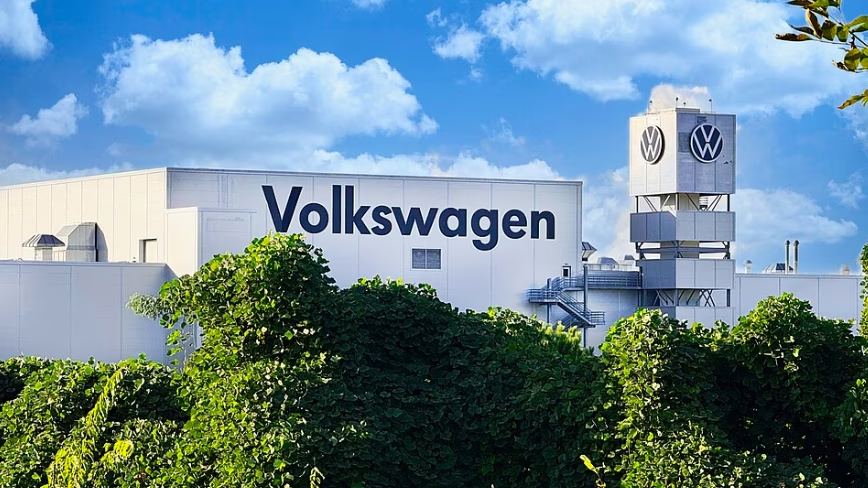
Volkswagen is now taking more orders for electric cars than for petrol and diesel in Germany, its home market and the largest in Europe, and has cancelled planned extra shifts at Wolfsburg while adding them at Emden and Zwickau. The four budget models driving the shift have taken about 100,000 orders between them and are […] This story continues at The Next Web
Volkswagen is now taking more orders for electric cars than for petrol and diesel in Germany, its home market and the largest in Europe, and has cancelled planned extra shifts at Wolfsburg while adding them at Emden and Zwickau. The four budget models driving the shift have taken about 100,000 orders between them and are all built in Spain.
Volkswagen is taking more orders for electric cars than for petrol and diesel in Germany, InsideEVs reported , citing Automobilwoche. Germany is its home market and the largest in Europe. The company is now rewriting production schedules across several plants.
The historic plant makes the Golf, Tiguan and Tayron, and Volkswagen had planned additional shifts to lift this year’s output from 580,000 vehicles to more than 600,000. Those shifts have been cancelled. Demand for combustion models has fallen away.
Emden, which assembles the ID.7, is getting at least two special shifts, and Zwickau, which builds the updated ID.3 Neo, is raising output. In July both were among four German sites reported as candidates for closure, alongside Hanover and Audi’s Neckarsulm. Volkswagen confirmed none of that on the record.
The ID Polo has taken more than 40,000 orders, and the Cupra Raval, Skoda Epiq and Volkswagen ID Cross have added roughly 60,000 between them. All four make up the Electric Urban Car Family, and all four are built in Spain rather than Germany.
More than EUR 3B went into transforming the Martorell plant and about EUR 10B into electrifying its Spanish operations. The four cars share one platform, which the company says saved EUR 600M and cut production complexity. The ID Polo is expected to start at around EUR 25,000.
At 4.05 metres the ID Polo sits under the 4.2 metre cap the European Commission proposed for a small-car category, whose members would get favourable treatment in fleet carbon calculations if built in the union. Audi’s own A2 e-tron, made in Ingolstadt, misses that cap by 12 centimetres.
Volkswagen makes less money on an electric car than on a comparable combustion one, so a demand shift it did not expect arrives in the middle of a restructuring in which up to 100,000 job cuts have been reported and never confirmed. The plants gaining shifts this month are two of the four that were being discussed for closure ten weeks ago.