From Munich to Prešov and Leipzig: a GRU-linked sabotage network operated from Slovak territory
Slovakia has become a staging ground for Russian operations. A bad news meaning Europe’s defence industry, airports and supply lines to Ukraine can be targeted far from the actual front line.
German investigators have linked an arson attack in Munich , the planned sabotage of drone manufacturer Skyeton near Prešov, and an attempted attack using an explosive drone at Leipzig-Halle Airport to Russia’s military intelligence agency, the GRU, according to media reports .
The most important finding is that part of this network was said to have operated from Slovakia.
We do not yet know all the details of the ongoing investigation, and I trust that Slovak security authorities will thoroughly examine the circumstances of the case and determine the true scope of the entire operation.
However, according to the German security services’ findings so far, the Slovak connection is not marginal.
Slovakia may have served as one of the hubs of a wider network linked to Russia’s military intelligence agency, the GRU.
According to German security sources, two Bulgarian nationals detained after the arson attack in Munich on 3 September were part of a GRU-linked group operating from Slovakia. Incendiary devices were thrown near Rohde & Schwarz and Helsing, companies linked to the defence industry and support for Ukraine.
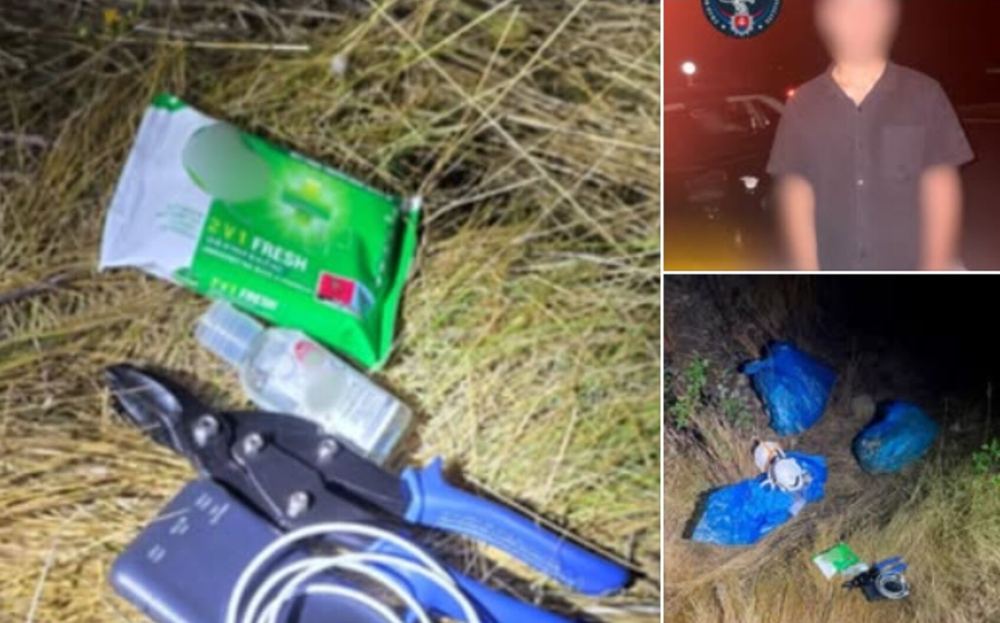
The same wider network was said to have been preparing an arson attack on Skyeton’s plant near Prešov, which produces reconnaissance drones for Ukraine. Slovak authorities thwarted the plan and detained Latvian and Ukrainian nationals. Another suspect was detained in Germany.
The nationality of those carrying out the attacks is not decisive.
The current model of Russian operations uses nationals of different countries, often recruited through intermediaries. A professional GRU officer can therefore remain several layers removed from the attack itself. Recruitment may take place via Telegram, payments through cryptocurrencies, and those carrying out the attacks may not even know precisely who the real instigator is.
German investigators argued there was also a link to an attempted attack using an explosive drone at Leipzig-Halle Airport on 4 August.
The target was reportedly a Ukrainian cargo aircraft used to transport material. The German government subsequently publicly attributed responsibility for the incident to Russia.
Petr Mlejnek is a former Czech soldier, intelligence officer, and manager. He served as the director of the Czech Office for Foreign Relations and Information, the country’s civilian foreign intelligence service. He also participated in Nato foreign missions.