“AI, or SI, pardon me” will give you better healthcare than Elon Musk gets, says Elon Musk
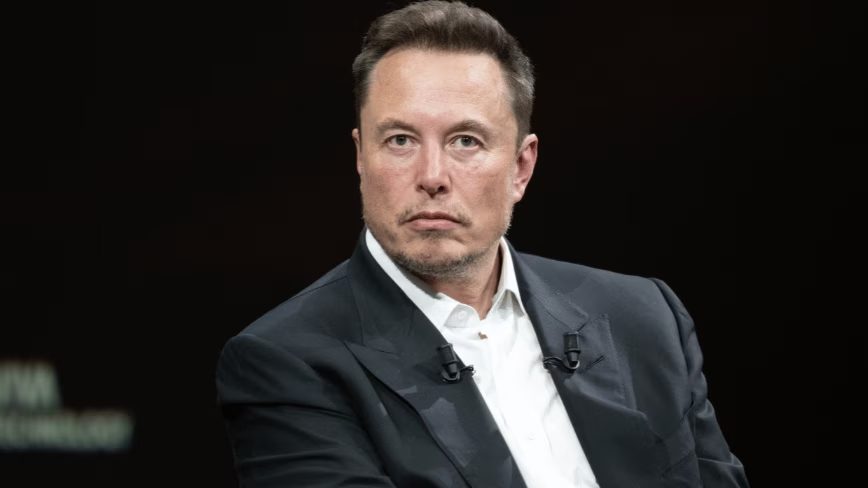
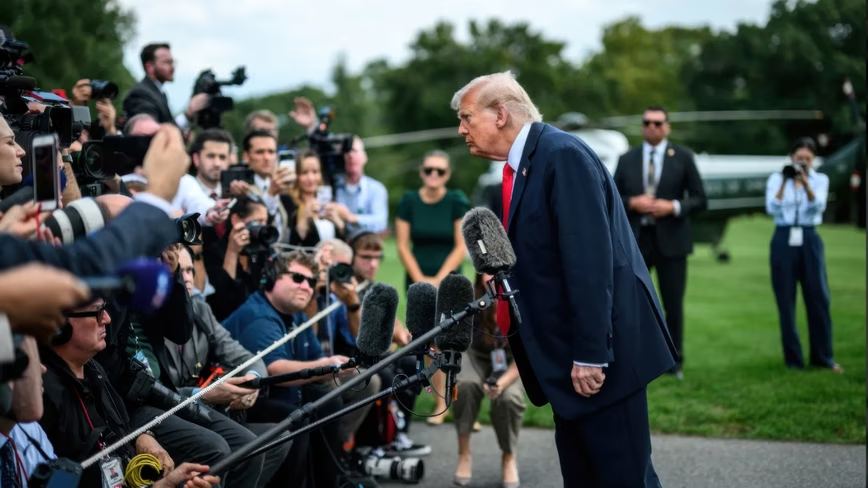
Elon Musk has told reporters at the White House that AI and humanoid robots will most likely make everyone better off. He spoke on Tuesday outside the West Wing, beside President Donald Trump, after the president’s lunch with tech leaders. He began by praising “the positive benefits of AI, or SI, pardon me”, correcting himself […] This story continues at The Next Web
Elon Musk has told reporters at the White House that AI and humanoid robots will most likely make everyone better off. He spoke on Tuesday outside the West Wing, beside President Donald Trump, after the president’s lunch with tech leaders.
He began by praising “the positive benefits of AI, or SI, pardon me”, correcting himself to the name Trump had signed into policy that day.
“The positive benefits of AI, or SI, pardon me,” correcting himself to Trump’s new term, and then someone says, “Superintelligence.”
The likeliest result, Musk said, is an ‘ age of abundance’ in which people receive a universal high income rather than a basic one. He then turned to healthcare.
“When you have robots, and you have superintelligence, it means that everyone in the world can have better medical care than anyone here, including me,” Musk said.
“Well, jobs are going to change. Jobs have always changed,” Musk replied.
Americans spent $14,775 each on healthcare in 2024, almost twice the average in comparable rich countries, according to Peterson-KFF. Yet they live about 3.7 years less than people in those countries, and the US ranked last among 10 wealthy nations in the Commonwealth Fund’s latest ranking .
At home, some 26.7 million Americans had no health insurance all last year, and ACA plans have lost 3 million members since subsidies expired in January, KFF reported .
Being in front of a computer, he said, used to be a job, with whole buildings full of people calculating bank interest by hand until digital machines took over.
Nobody wants that work back, he argued, and he predicted an evolution of roles rather than mass unemployment.
Elon Musk has used the universal high income line for years. At the UK’s AI Safety Summit in 2023, he told Rishi Sunak, then prime minister, that AI would bring universal high income and could one day make jobs optional.
He offered no detail on how such an income would be paid for, or who would pay it. That question sits at the center of the economic debate over AI.
The International Monetary Fund has estimated that AI will affect almost 40% of jobs worldwide and warned that, in most scenarios, it will likely worsen inequality. Gains tend to flow to the people who own capital, such as the models, chips, and data centers.
Musk’s upbeat forecast also came weeks after he backed Anthropic chief Dario Amodei’s call this month to slow down the most advanced AI work.
Still, on the same day, Elon Musk signed a voluntary safety pact for xAI alongside Trump and five other tech leaders. In addition, President Donald Trump signed an order directing federal agencies to refer to AI as “superintelligence .”