What do Britain’s death-penalty cheerleaders have to say about Christa Pike? | Maya Foa
Her harrowing botched execution is a reminder of why we must not even entertain the idea of restoring capital punishment Maya Foa is the CEO of the human rights charity Reprieve In recent months, there has been a resurgence of interest in the death penalty among rightwing politicians in the UK. The leader of Restore Britain, Rupert Lowe, has made a manifesto commitment to holding a legally binding referendum on bringing back capital punishment. The Reform MP Lee Anderson is also in favour of a referendum, arguing that the public would vote in favour of the death penalty. Such supporters of cap
Her harrowing botched execution is a reminder of why we must not even entertain the idea of restoring capital punishment
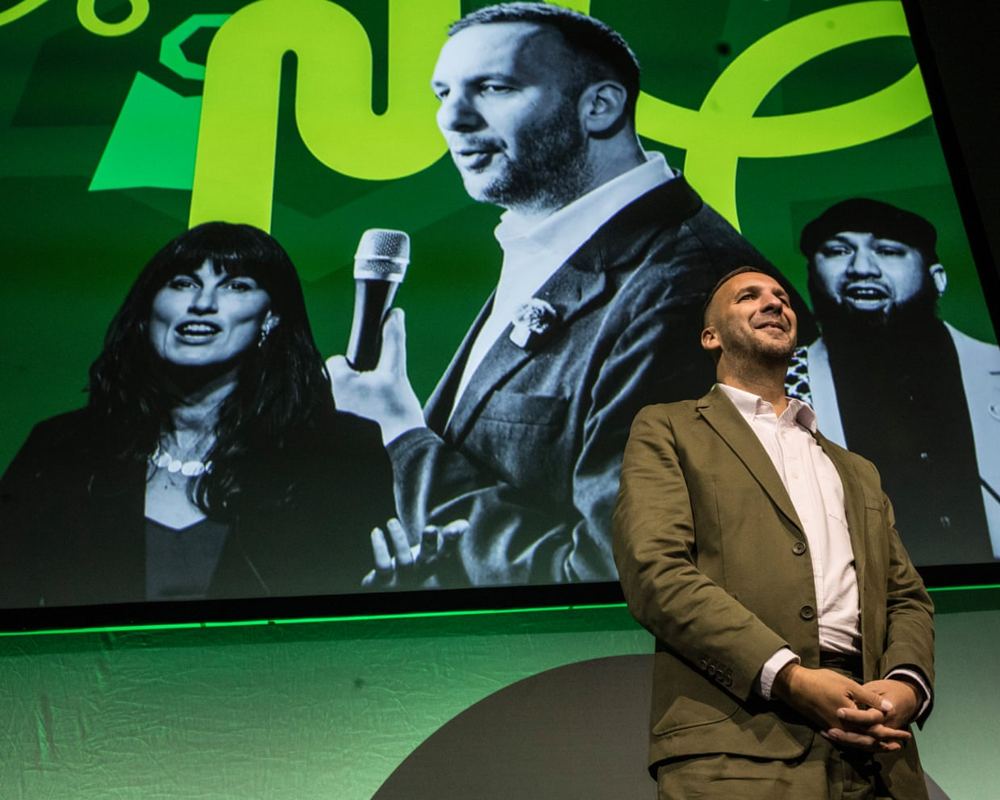
I n recent months, there has been a resurgence of interest in the death penalty among rightwing politicians in the UK. The leader of Restore Britain, Rupert Lowe, has made a manifesto commitment to holding a legally binding referendum on bringing back capital punishment. The Reform MP Lee Anderson is also in favour of a referendum, arguing that the public would vote in favour of the death penalty.
Such supporters of capital punishment in Britain point to polls such as this “ bombshell survey ” that supposedly showed 47% of students favoured bringing back the death penalty. But these headlines are misleading, as surveys rarely include details about the grim administration of capital punishment and only present a binary choice of the options.
The more information you give the public about the reality of the death penalty, the less support it enjoys. In the UK, when people are offered specific alternative punishments, the death penalty has historically failed to get majority support , regardless of the crime. Only 35% of respondents believe it should be available as a punishment in all cases of murder, according to YouGov. And in the US, support for capital punishment has steadily declined , from 80% in 1994 to 52% in 2025.
The horrific failed execution of Christa Pike is only the most recent state-sanctioned killing that has gone badly wrong . Lethal injection commands higher support than other methods of execution because it has a medical veneer that makes it seem more “humane”. This myth has sustained the death penalty in the US. Polling suggests that if states were to switch methods, support would decline.
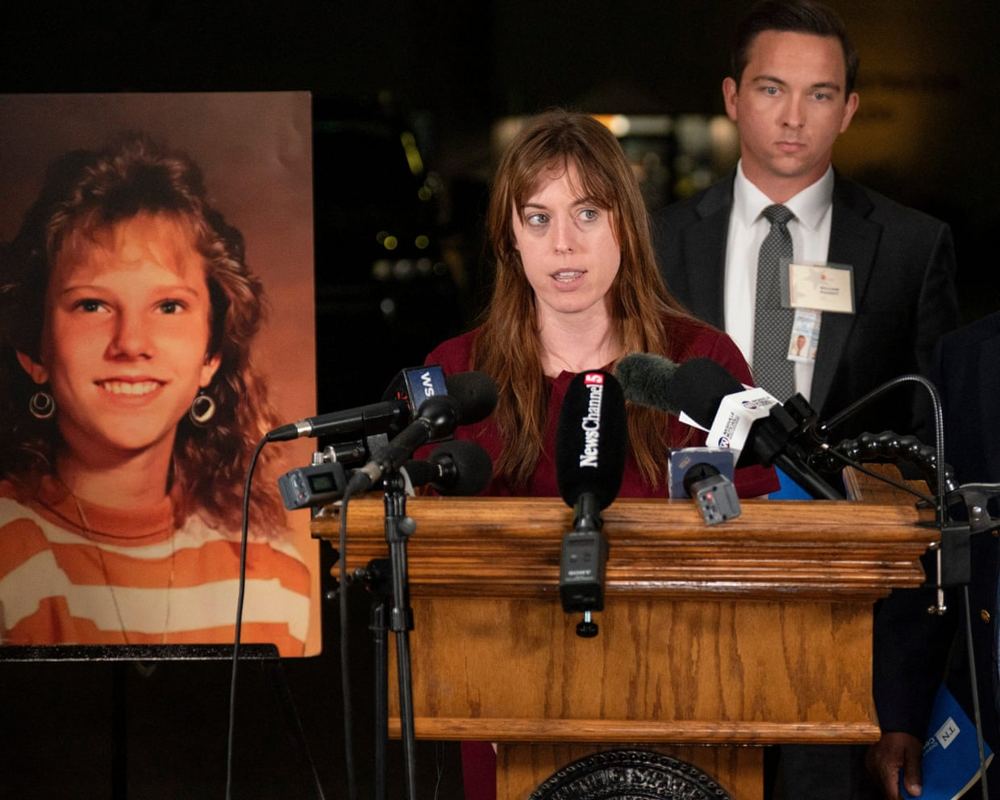
Pike is a woman who suffered horrific trauma from a young age and ended up being tortured by prison officials for more than an hour in a failed attempt to kill her. Campaigners have long argued that Pike, who was sentenced to death in 1996 at the age of 20, shouldn’t be on death row. At trial, she was presented to jurors as a dangerous killer, rather than a teenager who had suffered extreme, violent abuse since she was a child, including being raped by several strangers.
Her ordeal in the execution chamber was a visceral demonstration that there is nothing medical or humane about execution by lethal injection. What we saw was the awful, ugly, indefensible reality of the death penalty. It should make pro-capital punishment politicians in the UK urgently reconsider their positions.
Great Britain abolished the death penalty for murder in 1965 , in the outcry that followed a fatal miscarriage of justice when Timothy Evans was hanged for murdering his wife and daughter. They were actually both victims of the serial killer John Christie, who lived downstairs. This was not an anomaly. Countries that have the death penalty inevitably execute innocent people: one study estimates that at least one in every 25 people sentenced to death in the US is likely innocent.
British supporters of the death penalty look to the US as the model of a democratic society that practices capital punishment. But the case of Christa Pike should force them to pause. More than 200 people have been exonerated from death row in the US, one for every eight people executed . And there is clear evidence that capital punishment does not deter crime: in 2024, of the eight most-violent states in the US measured by the murder rate, seven had the death penalty.
In April, the US Department of Justice published a death penalty report that brazenly claimed that all methods of execution available to US states are humane, from lethal gas to the electric chair, the firing squad to lethal injection. This is despite decades of evidence to the contrary, both statistical and found on the bodies of those tortured to death.
Proponents of capital punishment often claim that it will be reserved for the “worst of the worst” mass murderers. Research shows that in reality the death penalty is disproportionately reserved for the most vulnerable, including people with mental illness and intellectual disability, and people who can’t afford a lawyer .
Ruth Ellis, the last woman executed in the UK, in 1955, was punched, pushed down the stairs and threatened with murder by the man she shot dead. This summer, she was granted a conditional pardon by King Charles in light of evidence that she was a victim of domestic abuse and coercive and controlling behaviour. It was a tiny measure of justice, 71 years too late, for a woman who should never have been executed.
In 1956, as parliament debated abolition, public opinion was divided. Lord Mancroft told peers that one poll showed 73% support for capital punishment in 1953, while another, after the execution of Ellis, found only 50% in favour. In the Commons, Sydney Silverman MP summed up the moral obligation of politicians to lead, not follow, opinion, asking MPs if they would kill a man “whom they knew it would be wrong to kill … if there were violent public pressure” to do so.
As the list of countries rejecting capital punishment grows ever-longer , it is increasingly used as a tool by authoritarian regimes. The overwhelming majority of global executions last year were carried out by China, Iran and Saudi Arabia. Iran reportedly executed more than 2,000 people, many for participating in protests calling for more equal rights for women. Is this the kind of company Lowe and Anderson think the UK should be keeping?
In the US, numerous top lawyers and doctors are demanding a moratorium on the death penalty in the wake of Pike’s botched execution. Here in the UK, each time Lowe, Anderson or any of their fellow travellers say they want to bring back a debate about capital punishment, they should be forcefully reminded of the horrific reality of what it means in practice.