Costa’s coffee shops return to profit with iced drinks and matcha on the menu
Costa Limited reports operating profit of £20m in year to 31 December 2025 after losses of £13.5m in 2024 Costa’s main coffee shop arm has returned to the black after revamping its high street outlets and broadening its menu with iced drinks, matcha and fresher pastries. The chain, which has 2,700 outlets in the UK and Ireland, out of 4,000 globally, and employs about 20,000 people, also opened a net 50 new outlets in the UK last year – its first net increase in several years. Continue reading...
Costa Limited reports operating profit of £20m in year to 31 December 2025 after losses of £13.5m in 2024
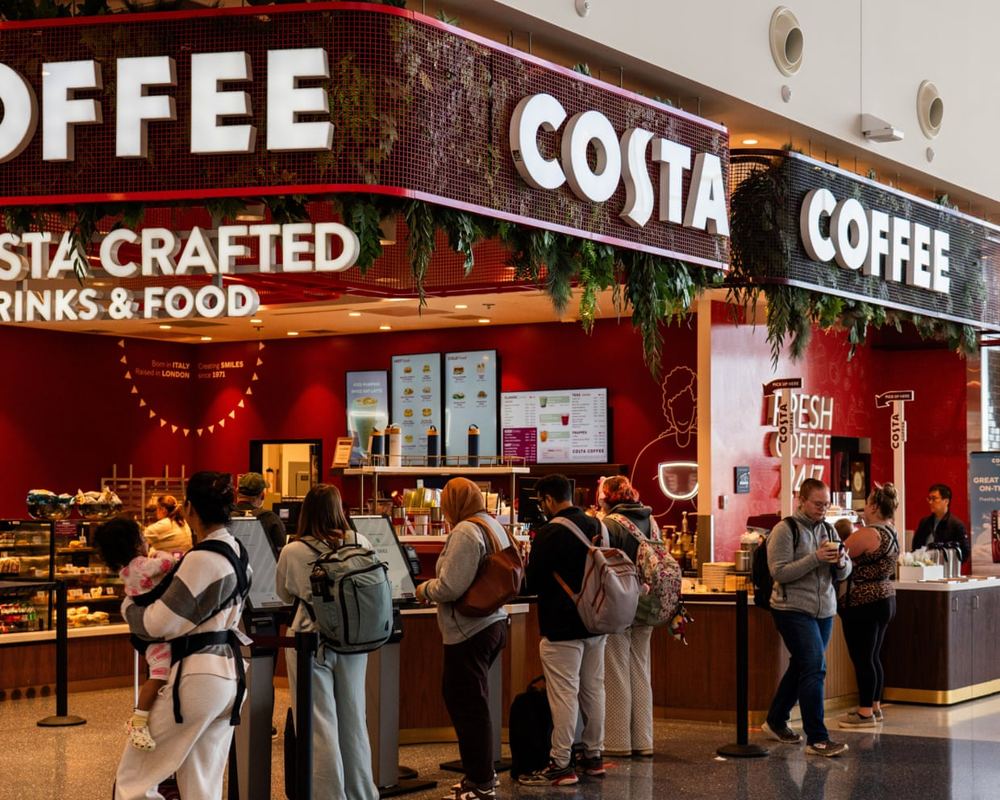
Costa’s main coffee shop arm has returned to the black after revamping its high street outlets and broadening its menu with iced drinks, matcha and fresher pastries.
The chain, which has 2,700 outlets in the UK and Ireland, out of 4,000 globally, and employs about 20,000 people, also opened a net 50 new outlets in the UK last year, its first net increase in several years.
It plans a further 50 new UK outlets this year, including more drive-thrus and high street outlets.
Demand from younger consumers for decaf coffee and other alternatives is driving sales growth amid concerns about drinking caffeine in the afternoon, while there is heavy competition on classic coffees from the likes of Greggs, Gail’s, Caffè Nero and numerous smaller operators. The company says it is now the largest seller of matcha via cafes in the UK.
The Costa Limited arm made an operating profit of £20m in the year to 31 December 2025 after losses of £13.5m in 2024 and £5.8m the year before, according to accounts filed at Companies House. Revenues rose 5% to almost £1.3bn compared with 1% growth in 2024.
The strong performance helped global sales at parent company Costa Group, which also sells coffee beans and pods in supermarkets and coffee machines to households, as well as operating commercial machines in homes and offices, rise by 3.5% to £1.74bn, and global operating profit increase 30% to £101m.
Philippe Schaillee, the chief executive of Costa, said the chain had seen the strongest growth in visits in a decade.
Sipping a Velvetino, a low-calorie iced coffee popular with younger drinkers, Schaillee said: “The coffee shop is increasingly a destination for morning and afternoon. People not only want caffeine but iced herbal teas and those drinks that people will drink in the afternoon and evening.”
Showing off Costa’s new headquarters in St Albans, Hertfordshire, which will have space for 300 workers when it opens in January, he said it “really signals our confidence in the business”.
Costa plans to remodel about 250 stores a year after updating more than 1,200 of 1,700 company-owned outlets. That includes adding more digital self-order kiosks, which are already in 200 UK outlets.
The group is also selling more Podio office coffee machines, which launched in May and are intended to be “a barista in your office”.
Schaillee said Costa was already the UK’s third biggest brand in home coffee machines, and said the potential there was “limitless”.
Costa’s campaign to flag its strong performance comes after its owner, Coca-Cola, in February officially confirmed it had abandoned plans to sell the chain after bids failed to meet its expectations.
Coca-Cola had high hopes for Britain’s largest coffee chain when it bought it for £3.9bn in 2018 from Whitbread, the owner of Premier Inn hotels.
However, since then the chain has struggled in the face of rising costs, particularly the rise in coffee bean prices , and competition on UK high streets.
Schaillee said coffee production, and potentially prices, remained high and could be affected by the El Niño global climate phenomenon, which is affecting coffee and cocoa growers in Latin and South America. “We need to be prepared for that,” he said.