The Housekeeper by Rose Tremain review, a bloodless origin story for Du Maurier’s Rebecca
The novelist has expanded her devastating 2014 short story about an imagined affair between Daphne du Maurier and a fictional Polish-Jewish housekeeper The rollcall of notable novels that began life as short stories is surprisingly long and various. Two years before Clarissa Dalloway famously shopped for flowers in Virginia Woolf’s Mrs Dalloway she was shopping for gloves in Woolf’s short story Mrs Dalloway in Bond Street; Evan S Connell’s Mrs Bridge and Jeffrey Eugenides’s The Virgin Suicides began life as stories published in the Paris Review. Rachel Cusk’s story Project, which ran in the Ne
The novelist has expanded her devastating 2014 short story about an imagined affair between Daphne du Maurier and a fictional Polish-Jewish housekeeper
T he rollcall of notable novels that began life as short stories is surprisingly long and various. Two years before Clarissa Dalloway famously shopped for flowers in Virginia Woolf’s Mrs Dalloway she was shopping for gloves in Woolf’s short story Mrs Dalloway in Bond Street; Evan S Connell’s Mrs Bridge and Jeffrey Eugenides’s The Virgin Suicides began life as stories published in the Paris Review. Rachel Cusk’s story Project, which ran in the New Yorker in September 2025, serves almost word for word as the opening for her new novel, Life of M.
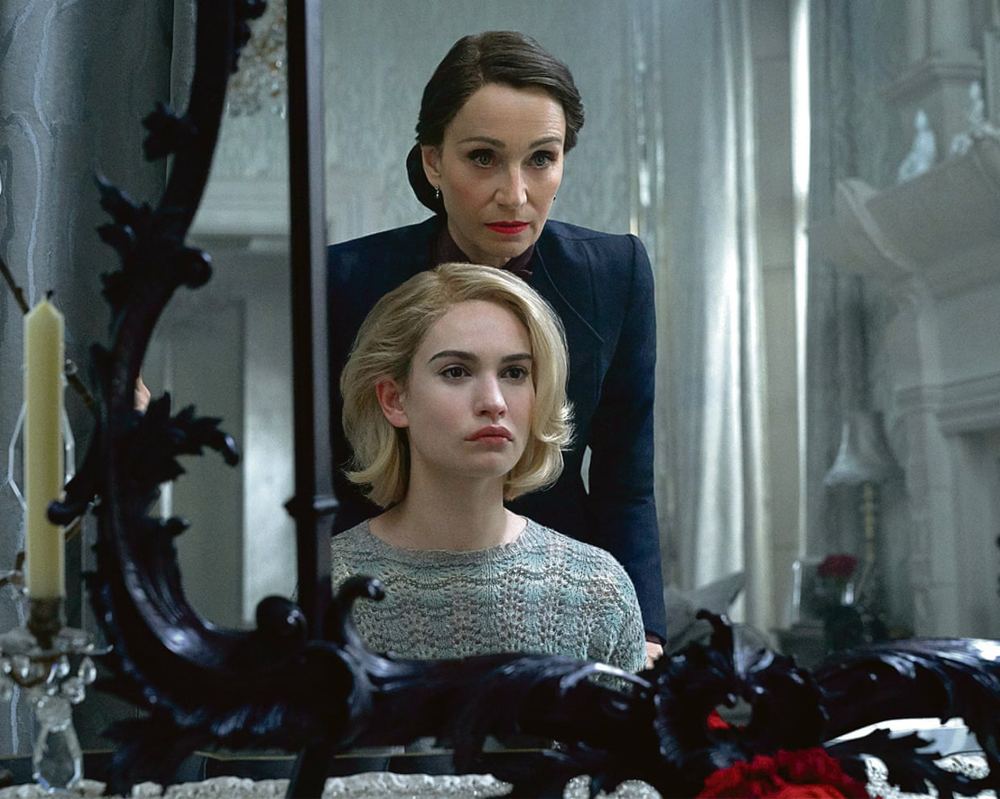
The newest addition to that list is Rose Tremain’s 17th novel, The Housekeeper, which pays homage to Daphne du Maurier’s Rebecca by imagining the events that might have inspired it. Tremain first explored the idea in a 2014 story, also called The Housekeeper and included in her acclaimed collection The American Lover . Her protagonist, then and now, is Lilianne Danowski, a Polish Jew who fled the pogroms with her father as a child and who presides with reserved efficiency over a large staff at Manderville Hall near Fowey in Cornwall. When Du Maurier comes to lunch, it is Danowski, known to her employers as Danni (Danowski was “a mouthful of fishbones”), who is deputised to show her around the house, who proudly encourages Du Maurier to look through the clothes in her dead mistress’s fastidiously maintained bedroom and takes her down to the boat house. It is Danowski who, after a passionate year-long affair with Du Maurier, will be twisted into the malevolent Mrs Danvers.
The married Du Maurier was violently attracted to women: her complicated, deeply closeted attitude towards her own sexuality lends Rebecca much of its darkly erotic charge. In the 2014 story, Tremain echoes that tension, offering, with her impeccable instinct for period, a masterclass in 1930s restraint. Danni is quite undone by Du Maurier, her careful armour torn away, yet bound, like the butler Stevens in Ishiguro’s The Remains of the Day, by the long habit of discretion; so she proves a tight-lipped narrator. Danni is the supplicant, the vessel; she knows she has no power. When Du Maurier, terrified of exposure, simply cuts her off, Danni scrabbles for ways to excuse her, to cling to what they shared. It is the discovery, more than a year later, that Du Maurier has immortalised her as the bitter and conniving Mrs Danvers, “ugly and diseased with jealousy”, that devastates her, smashing to pieces her passionately hoarded memories.
What moves a writer to return to a finished story after a decade, to rework it on the larger canvas of the novel? In Tremain’s case it was her story becoming a film. The Housekeeper, starring Anthony Hopkins and Helena Bonham Carter, is slated for upcoming release; Tremain wrote the screenplay.
“What am I to do with you, Danni? How am I to make you come alive?” Daphne demands teasingly in The Housekeeper’s opening pages. Du Maurier, of course, faced just that problem with Rebecca and pulled it off spectacularly, creating a woman of such toweringly vengeful, transgressive authority that, even in death, she rises up to dominate the book. Tremain has done the opposite. By stripping her Danni of her fierce, quiet dignity, she has robbed her of her power.