Estate fallouts expose challenges of posthumous art ownership
Recent US lawsuits, including a row over underpricing, reveal weaknesses in the market
With the transfer of wealth between generations expected to accelerate over the coming decades, fresh lawsuits and convictions in the US are highlighting how easily disputes still arise following the death of an artist or collector.
The Oregon man John Moody has filed a lawsuit there attempting to reverse the sale of dozens of Chinese paintings at an estate sale for between $45 and $275 each, as he believes they could be worth a substantially higher figure. According to the complaint, one of the works, an ink scroll depicting a galloping horse, may have been painted by the renowned Chinese artist Xu Beihong, whose works have achieved auction prices of up to $41.9m.
Rather than targeting the estate sale company, the suit alleged that those buying the art “knowingly” took advantage of a “selling agent’s failure to appreciate the extraordinary value of several pieces of rare Chinese art”.
“Although it may seem unlikely that the sales will be unwound, it is possible in some jurisdictions, such as France, to unwind sales in specific circumstances where there has been a fundamental mistake,” says Sarah Barker, the global co-head of art law at Withers.
Barker adds that while online inventories and available data are making planning ahead easier, “people are human and some families find it difficult to plan for and discuss succession. We see this in many families, but sometimes very creative people can be less structured in the way they live their lives, and this can lead to particular issues for the beneficiaries of the estates of well-known artists to resolve.”
Disputes over valuations and authenticity following an artist or collector’s death have certainly been in the headlines this year. In March, sentencing in the long-running Norval Morrisseau forgery trial in Canada was delayed after the art fraudster Jeff Cowan’s lawyer alleged that the deceased artist’s estate was complicit in the forgeries.
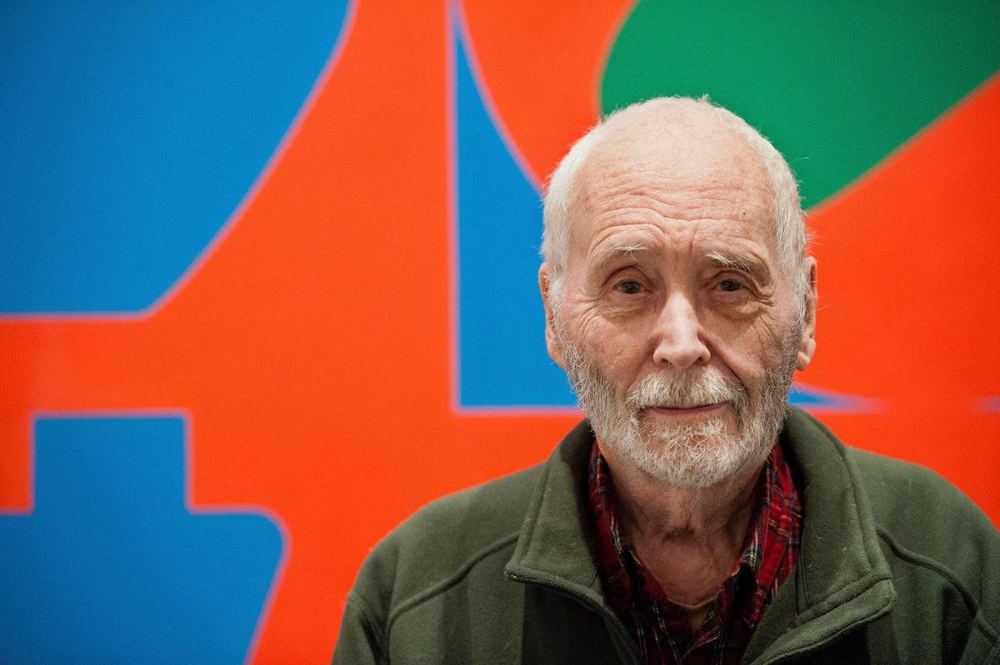
In April, a Manhattan jury awarded $102m in damages to the Morgan Art Foundation , Robert Indiana’s former agent, in a dispute against a publisher who was making and selling unauthorised works.
If any of this feels reminiscent of the 2010s implosion of authentication boards, notably the Andy Warhol Authentication Board and the Basquiat estate ceasing authentication services, the sheer volume of collections becoming available to the market appears to be a significant contributing factor.
“In the US we’re dealing with the first major generation of collectors to pass on and sell works, and the art market is being flooded with comparable pieces,” says Caroline Sayan of the advisory Cadell + Co. “Challenges emerge because collectors start from values built on the US appraisal structure, and those numbers are widely misunderstood. They were built for tax and insurance, not for sale. Underneath them sits opinion-based expertise inherited from another century.”
Sayan adds that higher standards around provenance and exhibition history are also increasing barriers to accessing works that have been in collections for generations and simply hung on a wall or stored away: “What used to be a golden ticket [in an undiscovered work] is now seen as a red flag”.
For others, technological advances offer hope: “We’re entering the largest intergenerational wealth transfer in history at the same time that technology is fundamentally changing how collections are managed,” says Caroline Taylor of Appraisal Bureau , an online art ownership platform that recently announced its integration with the portfolio management platform Addepar. “For the first time, families can maintain living inventories, recurring independent valuations and centralised documentation rather than treating estate administration as a posthumous exercise.”
Nevertheless, Taylor admits that the challenge is, as ever, less about whether the tools exist and “more about whether collectors adopt them before an estate event, rather than after one”.