EU needs to solve the cost-of-living crisis to stop far-right populists, Portuguese PM Luís Montenegro tells MEPs
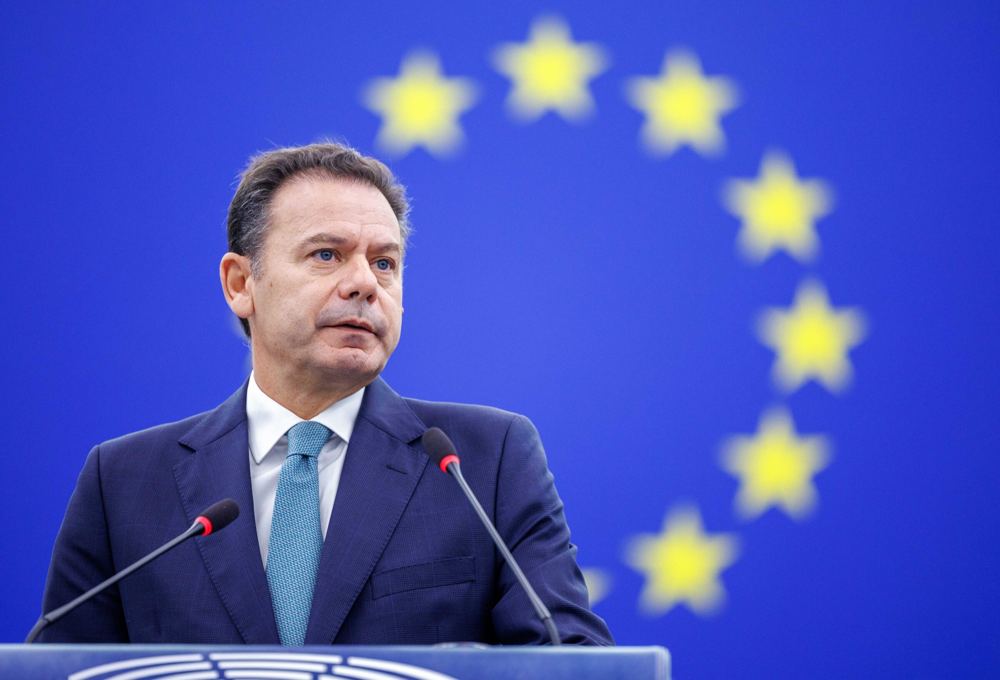
Portuguese prime minister told MEPs that solving the cost of living crisis is key to keeping the far-right out of power, as ultra-nationalist party reaches record popularity at home.
Politicians need to solve the affordability crisis to stop the far-right, social democratic Portuguese prime minister Luís Montenegro told MEPs on Tuesday (6 October).
Opening a debate in Strasbourg, Montenegro called for more lax regulation as a way to address the housing crisis, defended strict migration policies, and expressed support for funding poorer regions in the next EU budget.
He also stressed the importance of lowering fuel prices and prioritising the energy transition to “solve the real problems that people wrestle with,” adding that “our response … has to be felt in the lives of Europeans” to avoid disappointed voters turning to populism and extremism.
Back at home, Montenegro has the far-right Chega (Enough) party on his tail: in the 2025 parliamentary elections, they won 23 percent of the ballots against the Montenegro alliance’s 33 percent.
Now, polls give Chega 27 percent of declared votes for the next parliament, slightly less than the Socialist Party (28 percent) and ahead of the current government coalition (24 percent).
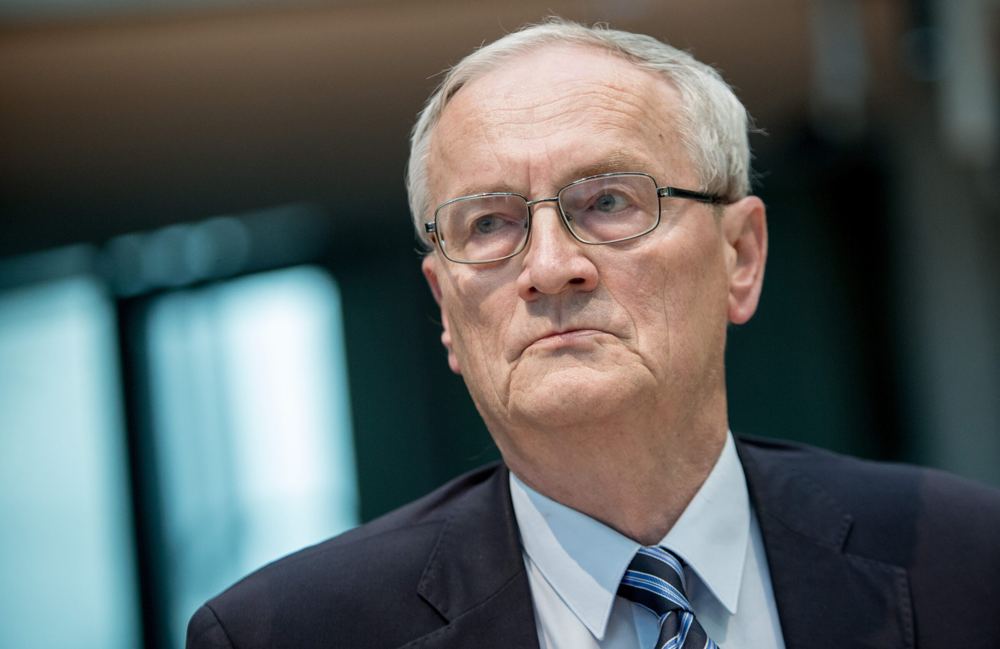
For his part, a Chega MEP (Patriots for Europe), António Tânger Corrêa, challenged Montenegro on Tuesday for relying on wind and solar energy without enough storage in case of blackouts and shutting down coal power plants.
He also warned Montenegro against agreeing to limit unanimous votes in the European Council in future, as representing a blow to Portugal’s sovereign powers.
From his left-wing opponents, Portuguese MEP Catarina Martins pointed out the high rent costs in the country and criticised the government for failing to support low-earning tenants.
In Lisbon, the average rent was only €84 less than the average salary in 2026, according to Portugal’s statistics body.
Montenegro said his government simplified the law around housing construction - much in line with the EU’s focus on deregulation - and proposed tax breaks to encourage investors to build more.
An EU-level policy complementing it “would be very useful,” he said, as long as it simplified existing regulations.
The Affordable Housing Act presented by the EU Commission in early September aims to improve the market for tenants by restricting short-term rentals.
Zuzanna Stawiska is a junior reporter covering European affairs. She also writes stories for the European Correspondent.