DoorDash’s Tony Xu says AI agents will increase demand for human labour
DoorDash co-founder and chief executive Tony Xu says more AI agents will mean more demand for physical delivery networks, and even for human labour. He spoke on Wednesday at Wave by Vento in Turin, in a session titled “Inside the Making of DoorDash”. AI agents have probably already overtaken humans in the number of things […] This story continues at The Next Web
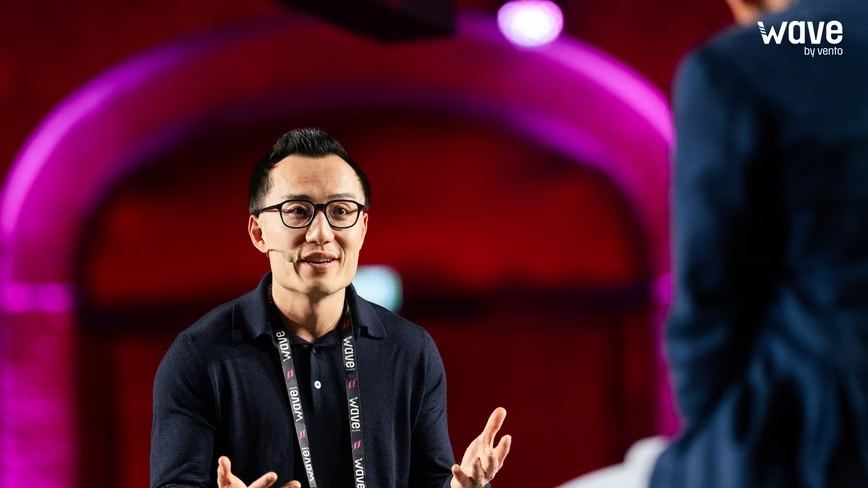
DoorDash co-founder and chief executive Tony Xu says more AI agents will mean more demand for physical delivery networks, and even for human labour. He spoke on Wednesday at Wave by Vento in Turin, in a session titled “Inside the Making of DoorDash”.
AI agents have probably already overtaken humans in the number of things they do on the internet, Xu said. To be useful, he said, they look for recurring tasks that people ask them to do again and again.
“One of the most useful things to do is things in your daily life which tend to have a physical component, like shopping or eating or picking something up or returning something,” Xu said.
As the number of agents keeps growing, he said, so will the demand for physical networks and for human labour. In September, DoorDash launched an ordering agent that runs inside Apple Messages.
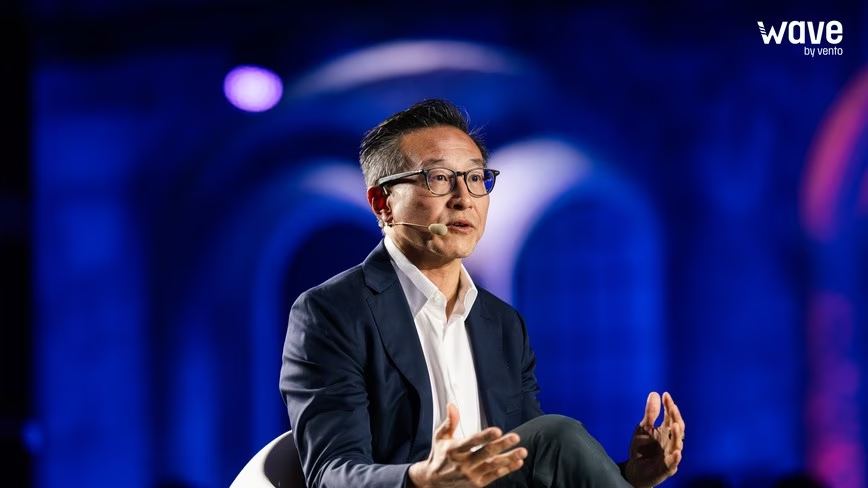
Diego Piacentini, a DoorDash board member since 2023 and a former Amazon senior vice president, led the interview. The event screen listed Piacentini as an adviser to Vento, the organiser.
The goal of DoorDash was never food delivery, Xu said. It was to help local business owners like his mother, who moved from China to the US. In 2013, he said, almost no restaurants in the US offered delivery.
He and his co-founders started doing deliveries themselves, driving their own cheap cars around Palo Alto, where they studied. They did the first few hundred deliveries and kept going for two years. Xu said his Y Combinator application estimated $100m of revenue in year seven, a figure he called made up. He was off by a couple of orders of magnitude, he said.
When there is no data, Xu said, a company has to start from a point of view. Then it should ship something fast and collect information. DoorDash keeps the stakes low so anyone in the company can test an idea with customers without approval.
DoorDash’s Dot robot can travel on the road, in bike lanes and on the pavement. Xu called it the world’s first commercial autonomous vehicle of its kind. It is running in Phoenix and has made live deliveries to tens of thousands of customers, he said. On Monday, Deliveroo started putting delivery robots on pavements in five UK towns.
Building autonomous vehicles is like building three to five companies, Xu said. They need software, hardware, policy and permits, and operations. Vehicles break down and sometimes need rescuing. In September, DoorDash also unveiled its own drone system .
The most important piece, he said, is the platform behind them. For every order, it decides whether a land robot, a drone or a human Dasher should take it. A person and a robot can also share one route.
“No customers care about the technology. They just care about getting what they ordered,” Xu said.
DoorDash operates in 40 countries and had to learn each one from scratch, Xu said. Streets in cities such as Rome, Turin or London are not laid out on a grid. Homes are denser, with more apartments. There are also far more small, family-run restaurants and shops than in the US.
In five years, Xu said, he wants DoorDash to be a last-mile network that can deliver anything. Every city holds tens of millions of items, he said, and no digital product yet knows where they all are.
Asked about his mistakes, he said most came when he did not trust his gut, on products and on hiring. Xu also sits on Meta’s board. The best boards ask tough questions without acting as if they run the business, he said. Founders spend 70 hours a week or more on their companies, he said, and board members about 10 hours a quarter.
Piacentini said DoorDash measures its margins in basis points, which forces attention to detail and a lack of waste. Building a business with low margins is very hard, he said.