Longevity
This “rotten egg” brain gas could be the key to fighting Alzheimer’s disease
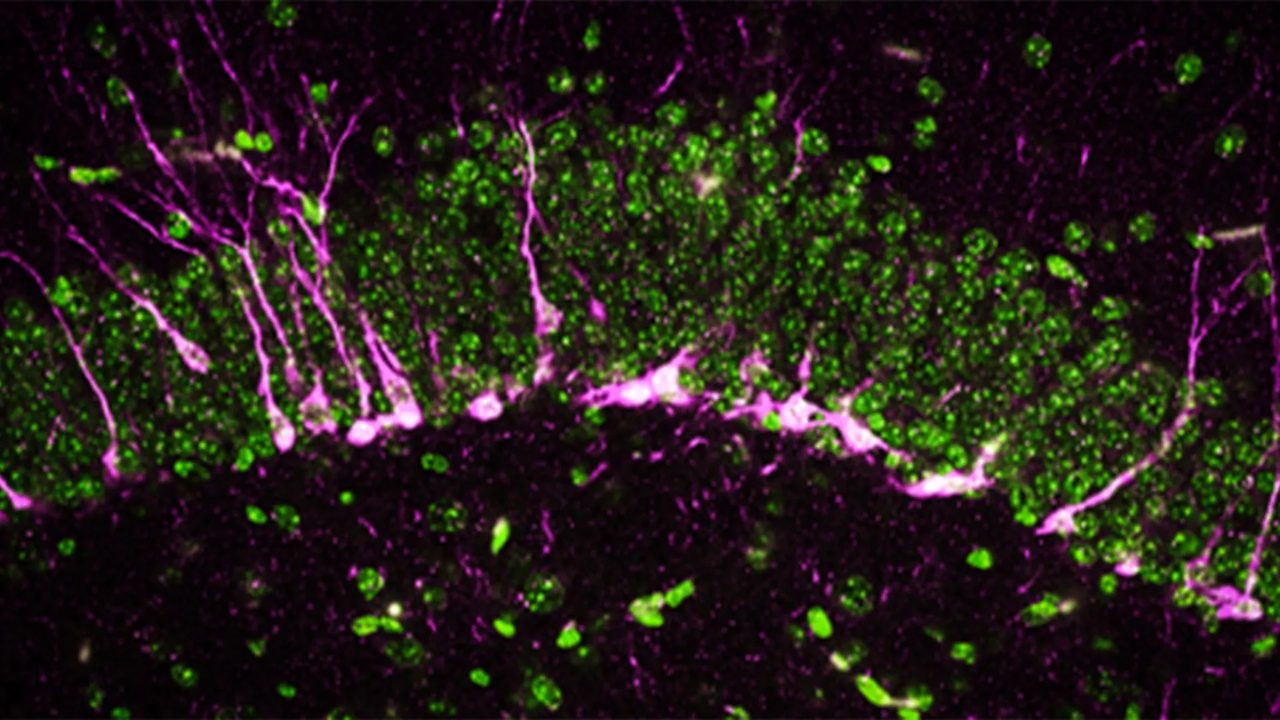
Scientists have uncovered a surprising new player in Alzheimer’s disease: a protein called CSE that helps produce tiny amounts of hydrogen sulfide gas in the brain. In experiments with genetically engineered mice, removing this protein led to memory loss, brain damage, and other hallmarks of Alzheimer’s, including weakened blood-brain barriers and reduced formation of new neurons. The findings suggest that this “rotten egg” gas, when carefully regulated, may actually protect brain cells and support memory.
This story was reported by Healthy Aging News -- ScienceDaily. EUROPES curates Europe's most relevant coverage — read the full report at the original source.
Read full coverage at Healthy Aging News -- ScienceDaily →