MEPs warn Irish EU budget plan is ‘short‑sighted’ and risks ‘historic failure’ as cuts of €141bn spare farm and cohesion funds
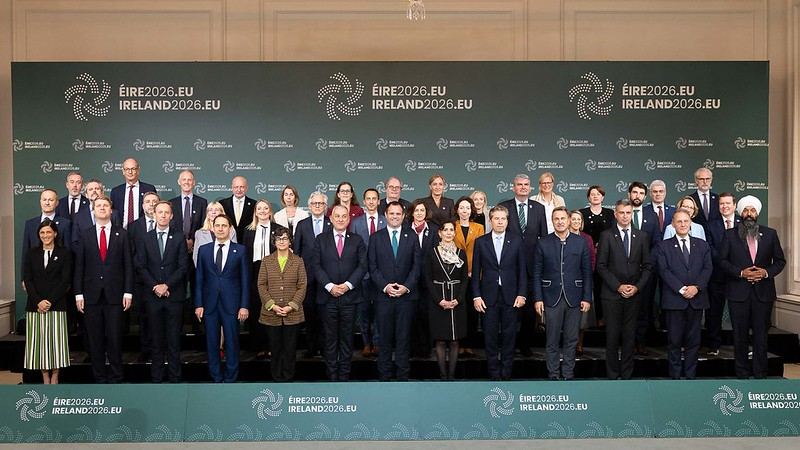
MEPs have instantly rejected a budget proposal by the Irish government, setting the scene for an institutional battle over the 2028-34 EU spending plan.
The Irish government has set the path for a showdown between MEPs and governments over the next seven year EU budget after proposing an 8 percent cut worth €141bn to the European Commission’s spending plan.
Savings from the commission proposal have been found across all headings in the so-called ‘negotiating box’ for the 2028-2034 Multiannual Financial Framework (MFF). But farmers’ subsidies under the common agricultural policy and the bloc’s cohesion policy, which provides funding to the EU’s poorest regions, have been exempted from any cuts.
That is a nod to a sustained lobbying effort by a group of seventeen EU countries, known as ‘Friends of Cohesion’.
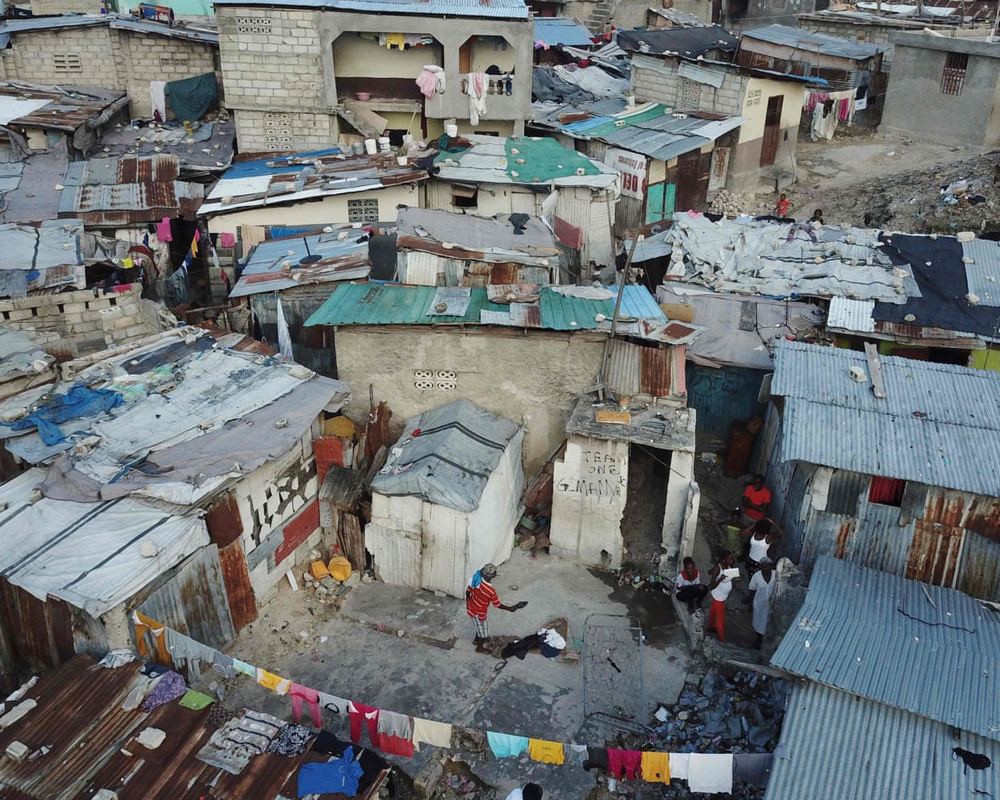
As expected, meanwhile, cuts totalling €38bn have been made from the ‘Global Europe’ heading, which covers foreign aid, while €75bn has been taken from the competitiveness fund and €10bn from the EU’s administrative costs.
In a statement on Saturday (10 October), Ireland’s minister for Europe, Thomas Byrne, said that the €1.62 trillion spending plan was “intended to bridge the many differences between Member States. It brings us closer to resolving the critical questions our Union faces on how to balance both new priorities and core policies, whilst also reflecting the fiscal realities that all Member States face.”
Benjamin Fox is our trade and geopolitics editor. His reporting has also been published in the Guardian, the East African, Euractiv, Private Eye and Africa Confidential, among others. He is based in Nairobi, Kenya, although he often reports from London.