Tesla’s robotaxis face a US safety review over school zone speeding
NHTSA has opened a defect petition review into claims that Tesla robotaxis exceeded posted speed limits in active school zones, covering about 1,000 vehicles with no reported crashes or injuries. Speeding is also the specific obstacle holding up Tesla’s bid for EU-wide approval of its driver-assistance software. America’s road safety regulator is reviewing a claim […] This story continues at The Next Web
NHTSA has opened a defect petition review into claims that Tesla robotaxis exceeded posted speed limits in active school zones, covering about 1,000 vehicles with no reported crashes or injuries. Speeding is also the specific obstacle holding up Tesla’s bid for EU-wide approval of its driver-assistance software.
America’s road safety regulator is reviewing a claim that Tesla’s robotaxis speed through school zones. The petition says the cars exceeded posted limits in active zones with their automated driving systems engaged.
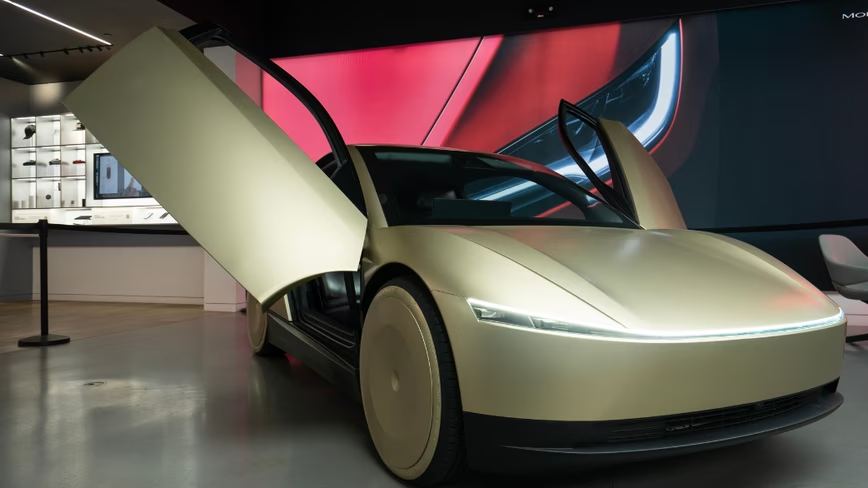
It covers 2026 model year Robotaxi, Model Y and Cybercab vehicles, an estimated 1,000 in total, Business Insider reported . The filing records no crashes, no injuries and no fatalities.
Those are the same 1,000 vehicles already under a separate NHTSA inquiry into how Tesla certified the Cybercab, which has no steering wheel, pedals or mirrors and which the company signed off itself.
The evidence is thin so far. An unnamed petitioner supplied three video links, the agency received the petition on 23 September and opened the review on 9 October.
This is not yet an investigation. A defect petition review decides only whether to grant or deny one, and the agency has set no deadline.
What makes it worth watching is the specific behaviour. Exceeding the posted limit is exactly what has stalled Tesla on the other side of the Atlantic.
Germany wants the system held to 10% above the limit and will argue that position in Brussels, while Reuters has reported the version Dutch regulators approved permits up to 50% over the detected one.
France and Sweden have both raised speeding concerns. The committee that was due to vote on EU-wide approval in October did not, and December is now the earliest.
The two cases are not the same system. Europe is weighing supervised software in cars with a responsible driver, while the American petition concerns driverless taxis with nobody at the wheel.
They share a company and a disputed speed setting. Regulators on both continents are now asking how fast the same manufacturer’s software decides to go.
There is a harder problem underneath. A King’s College London review of eight pedestrian detection systems found accuracy almost 20% higher for adults than children, and worse still in low light.
School zones have caught rivals too. Waymo was investigated after reports its cars passed stopped school buses, recalled vehicles in December, and in January one struck a child near a Santa Monica primary school, causing minor injuries.
Europe gets this question soon. Uber and Wayve already have approval in London for supervised autonomous rides, and Waymo plans a commercial service in the city.