Palantir CTO says the Pentagon has already replaced Anthropic’s AI
The Pentagon has already replaced Anthropic’s AI models, with no operational impact, Palantir’s chief technology officer, Shyam Sankar, said on CBS’s Face the Nation on Sunday. “It’s already been replaced,” Sankar said. The Pentagon stopped using Anthropic’s products after a dispute over its safeguards for military AI. It labelled the company a supply chain risk. […] This story continues at The Next Web
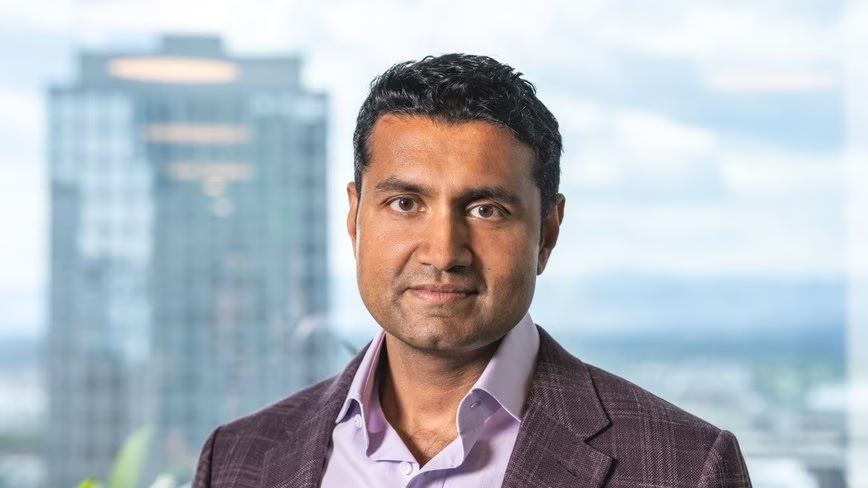
The Pentagon has already replaced Anthropic’s AI models, with no operational impact, Palantir’s chief technology officer, Shyam Sankar, said on CBS’s Face the Nation on Sunday.
The Pentagon stopped using Anthropic’s products after a dispute over its safeguards for military AI. It labelled the company a supply chain risk . Anthropic’s Claude was part of Palantir’s Maven Smart System, which the Pentagon uses.
The Department now uses models from xAI, OpenAI and Google, and open-weight models such as Nvidia’s Nemotron, Sankar said. Users building AI applications pick the models they use.
The ability to choose and switch models is what has been driving Palantir’s commercial growth, he added.
Sankar blamed effective altruism for much of the fear around AI. He said most of America’s roughly 2,000 AI researchers share its worldview.
“It’s really this millenarian doomsday cult meets messianic complex called effective altruism,” he said.
He cited researcher Jacob Coxon , who has put a 10% chance on AI ending humanity. Sankar called that a theological critique rather than a scientific one.
“So many AI researchers have started smoking as a way of signaling to other researchers how much they believe in AI,” Sankar said.
He did not name any researchers or give evidence for the claim.
Sankar described military targeting as a process rather than a choice made by AI. Executing 1,000 strikes in a single day once took two weeks of planning by 50 people, he said. With AI, one person can do it in four hours.
“People jump immediately to something like AI picking the targets. That’s not what’s happening,” he said.
Host Margaret Brennan asked about the US strike on a school in Minab, Iran. In September, Bloomberg reported that some Central Command staff relied too heavily on AI in Maven before the strike, citing officials involved in an unreleased Pentagon review. The strike killed at least 123 children, Bloomberg reported.
Sankar said the reporting was inaccurate and the likely cause was human error, adding that everyone should wait for the final report. After the strike, Palantir built extra AI agents to double check work in a part of the process it does not own, he said.
He said he did not know when the Pentagon would publish its report. A group of 120 House Democrats wrote to Defense Secretary Pete Hegseth about the strike. Sankar said Palantir has briefed Congress on Maven. In June, Anthropic’s chief executive said he did not know whether anyone used Claude in the Iran school strike .
In the Hugging Face incident , the models only did what someone told them to do, Sankar said. He called it a defective product and said the AI companies would be liable.
Existing agencies such as the FDA should regulate how people apply AI, he said. Existing laws give a “massive running head start”, he said, though there will need to be an incident response and reporting regime.
Palantir did not sign the White House AI accord last month. Sankar said the accord was for companies that make AI models, which Palantir does not. He deferred to the new AI czar, Jay Clayton , on who should run the reporting regime.
Sankar is also a lieutenant colonel in the Army Reserve’s Executive Innovation Corps, where he works on Army human resources.