Anthropic asks the full appeals court to rehear its Pentagon case
Anthropic has asked the full federal appeals court in Washington to revisit a 2-1 ruling upholding the Pentagon’s designation of it as a supply-chain risk. It argues the designation was retaliation for its speech about AI safety. Anthropic has asked the full federal appeals court in Washington to rehear its challenge to a Pentagon designation […] This story continues at The Next Web
Anthropic has asked the full federal appeals court in Washington to revisit a 2-1 ruling upholding the Pentagon’s designation of it as a supply-chain risk. It argues the designation was retaliation for its speech about AI safety.
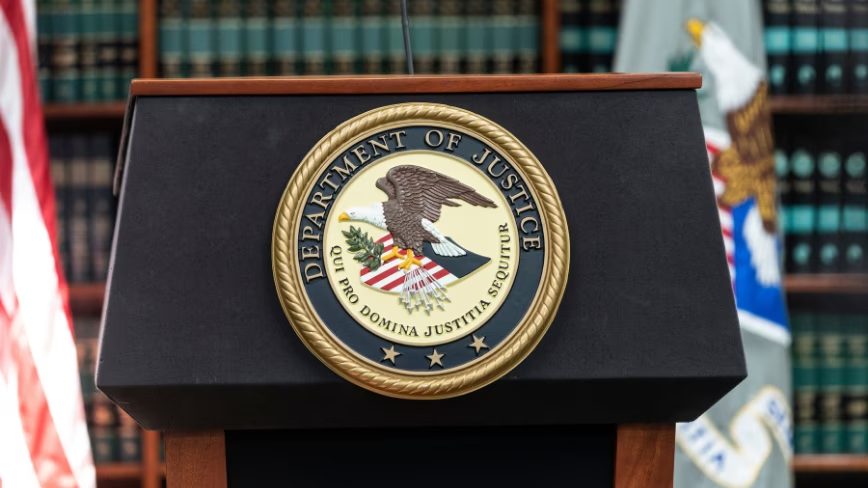
Anthropic has asked the full federal appeals court in Washington to rehear its challenge to a Pentagon designation that labels it a supply-chain risk to US national security.
The petition was filed on Tuesday, Bloomberg reported , and asks the full court to revisit a decision handed down by a three-judge panel on 25 September.
That ruling went 2-1. Judge Gregory Katsas wrote for the majority with Neomi Rao, and Karen LeCraft Henderson wrote the dissent .
Henderson read the statute narrowly. It covers suppliers that might sabotage, extract data or otherwise manipulate a product, and she said its history concerns hostile states rather than a contractor enforcing its own terms openly.
Anthropic says the majority let the department act without any pre-designation process, and despite what it calls straightforward evidence of retaliation for its speech about AI safety. A judge in California reached that finding in August, on a parallel designation.
The dispute began with a contract. Anthropic wanted assurances Claude would not be used for mass surveillance of Americans or autonomous weapons, and the government said it could accept no restrictions.
Washington then went further. A presidential memo in June barred vendors from disabling, degrading or modifying a model that warfighters depend on without prior government approval.
The Pentagon has moved on regardless. Its chief technology officer said in September that about 90% of the classified AI workload had been shifted off Anthropic, and expected the rest by the end of that month.
In Europe this fight could not take the same shape. The AI Act does not cover systems used exclusively for military, defence or national security purposes.
A European lab refusing a military use would be relying on its contract, not on regulation. There would be no designation to challenge and no regulator to appeal to.
Access can also vanish without a court. In June the US ordered Anthropic to suspend two models, and Indian developers lost them overnight .
European labs have drawn their own conclusions. Mistral has been building defence models with the German firm Helsing since early last year, and its chief executive says Europe needs its own capabilities while adversaries exist.
The money at stake is small. Government work is under 1% of revenue, but Anthropic has told IPO investors the government’s view of it could cost material revenue with commercial customers too.