America has passed 80,000 public fast-charging ports for the first time
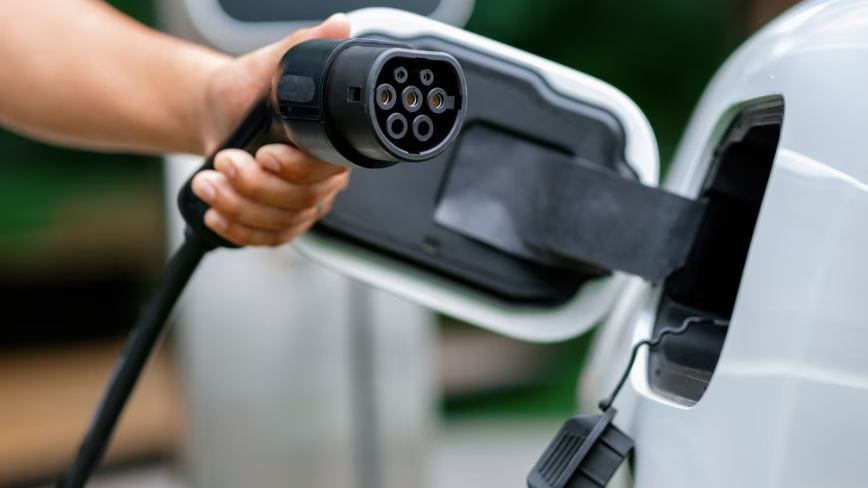
The US passed 80,000 public fast-charging ports for the first time, adding 4,106 in the third quarter, a 12% drop on a year earlier. The EU counted 212,439 public DC points in April and added nearly 18,000 of them in four months. America has passed 80,000 public fast-charging ports for the first time, after adding […] This story continues at The Next Web
The US passed 80,000 public fast-charging ports for the first time, adding 4,106 in the third quarter, a 12% drop on a year earlier. The EU counted 212,439 public DC points in April and added nearly 18,000 of them in four months.
America has passed 80,000 public fast-charging ports for the first time, after adding 4,106 in the third quarter. The EU counted 212,439 public DC points in April alone.
The quarter was a slowdown. Ports fell 12% and stations 20% against a year earlier, on figures from the data platform Paren reported by InsideEVs , after Washington withdrew its EV support.
Tesla accounted for most of the drop. It added 1,287 ports, 533 fewer than a year earlier, plus 124 through Superchargers sold to third parties, and still led the quarter.
The build is concentrated. California opened 87 stations, Texas 66, and North Carolina and Georgia 26 each, with five states taking 42% of new openings and rural areas 10% of new ports.
Ionna came second with 378 new ports, nearly triple its year-earlier rollout, and Walmart third on 344. Ionna runs the largest US network of 400kW chargers and is funded by eight carmakers, BMW, Mercedes-Benz and Stellantis among them.
The real shift is power. Some 73% of new ports deliver at least 250kW, up from 60% a year earlier, and 400kW is now the most common choice for new sites.
China is further out still. BYD’s Flash Charging connectors deliver up to 1,500kW each , and its network passed 10,000 stations in August.
Europe mandates power by law. Since the end of 2025, AFIR has required a charging pool every 60km on the core trans-European network with at least 400kW and one 150kW point, rising to 600kW and two by the end of 2027.
A Finnish manufacturer says that is the variable that matters least. Kempower put utilisation at 3% on 100kW sites against just over 5% at 400kW, while going from two plugs to eight lifted it from 2% to nearly 10%.
The data is its own and it sells distributed-power chargers, so the finding suits its architecture.
The subsidies follow power regardless. California will pay up to $100,000 a port above 275kW, against $55,000 for 150kW to 275kW.
Europe’s gap is geography, not kilowatts. The Netherlands, Germany, France, the UK and Belgium hold about 66% of the continent’s public points, and Germany has roughly 7.5 times the Dutch DC count.
Demand is ahead of both. America logged a record 17.6 million public fast-charging sessions in July.