France is ‘putting the house in order’ and can slash deficit to 3% in three years, central bank governor tells CNBC
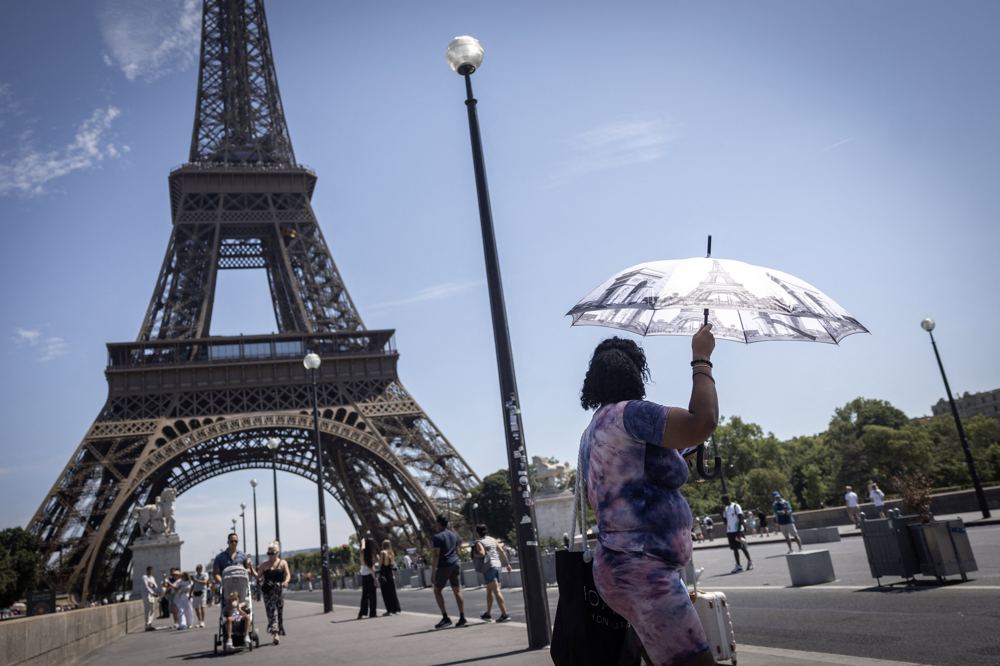
France is able to slash its huge budget deficit troubling investors across the globe, according to the head of the country's central bank.
France is "putting the house in order" and is capable of slashing its burdensome budget deficit, despite the political turmoil facing the country, the head of the country's central bank insists.
The country is currently subject to the EU's excessive deficit procedure , with the bloc recommending Paris bring its national deficit closer to 3% of GDP, compared to 5.1% as of last year.
Market concerns about political instability hampering efforts to bring the deficit under control have weighed on French bond markets this year, exacerbating pressures felt globally from the U.S.-Iran war and consequential inflation fears.
Speaking to CNBC's JP Ong on the sidelines of the IMF Meetings in Bangkok, Banque de France Governor Emmanuel Moulin said that he did not believe rising government borrowing costs in recent months were linked to a change in the French fiscal position.
"It's really about political uncertainty and the question whether the budget will be adopted with [delivering] a 5% deficit, which is the objective of the government," he said. "And I think to reassure markets, it is important that there is a budget that is voted and a budget that sticks to the 5% deficit."
He noted that, in the past, French governments had successfully consolidated public finances and drastically cut their deficits. But he said it was more difficult to deliver the necessary changes today, because the cost of servicing France's national debt was so high.
"It's about 10 billion [euros] per year more, so we need to take this into account in the consolidation," Moulin said. "But I think it is possible to get back to a 3% deficit in 2029, which is the objective of the government."
Asked whether the French government could deliver on that objective without enforcing a period of austerity, Moulin said Thursday that he didn't think such a policy mix was in the cards.
"I would challenge the fact that this is austerity. This is not austerity. It is just putting the house in order," he said.
Speaking to CNBC at the IMF Meetings last week, the institution's Managing Director Kristalina Georgieva said her message to France was to "get your house in order."
Yields on French government bonds, known as OATs, have surged to multi-decade highs this year amid rising concerns about France's fiscal outlook, sparking concerns about a possible sovereign debt crisis that could impact the broader euro zone.
But Moulin told CNBC Thursday that he was "confident about financial stability in France and in Europe," pointing to solid banking, insurance and financial sectors that were "well capitalized with ample liquidity."
"It's a global phenomenon that interest rates are increasing," he said. "It calls for stricter fiscal consolidation in a number of countries, be it the U.S., be it France, be it some other European countries, also Japan. This is a global phenomenon. So I don't think we should be too afraid of a risk of contagion."
He added that France has "no problem finding investors to buy our bonds."
But he conceded that investors "also look at our fiscal situation, and we need to deal with that and to put it back into order."
France is currently in the throes of a political crisis. Prime Minister Sebastien Lecornu's government recently submitted its draft proposal for the 2027 fiscal budget, but is expected to face obstacles to passing the spending plans in the politically fractured National Assembly.
Lecornu has said he will target 54 billion euros ($61.8 billion) in spending cuts, insisting that greater fiscal discipline is needed to quell France's ballooning debt load and reduce one of the euro area's biggest budget deficits . Cuts are reportedly planned to come from freezing public sector wages and pensions, changes to some employment tax breaks, and restricting local government budgets.
But budget negotiations have become a source of political turbulence in recent years. After failing to reach a breakthrough in last year's negotiations, Lecornu used emergency legislation to force this year's budget through without parliamentary approval in February. Previous administrations were ousted when spending disagreements came to a head, and Lecornu himself resigned less than a month into his tenure over budget divisions, only to be reappointed by President Emmanuel Macron days later.
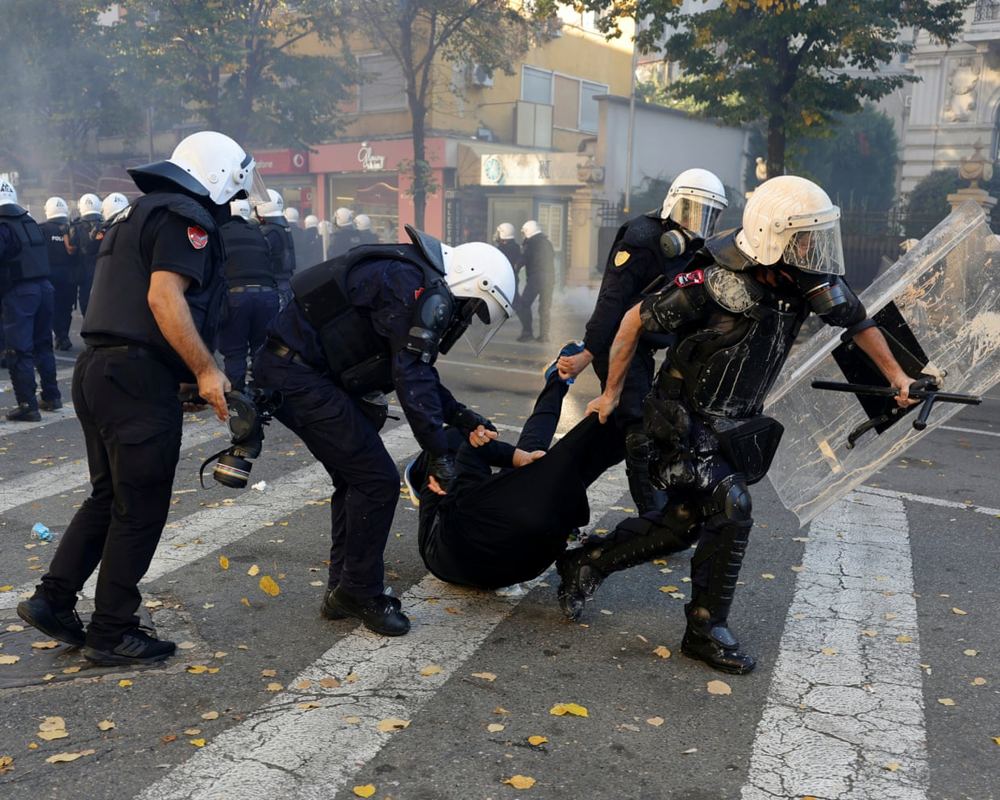
Further complicating the government's efforts to bring the French deficit under control are nationwide student protests , which have rippled outward from Paris since late September. High school students have taken to the streets, blockaded schools and come to blows with police as they express discontent with long study days, teacher shortages and dilapidated educational facilities.
The French government has already promised 3,000 extra teachers in a bid to quell the unrest.
Investors are also looking ahead to next spring's French presidential election. Current frontrunner, right-wing candidate Marine Le Pen, said earlier this month that she could bring the deficit below 3% within 18 months of being elected, but critics questioned whether her proposed savings were credible.