Frieze Masters balance shifts towards Global South
More non-Western art is represented at this year’s edition, along with galleries from North Africa, the Middle East and South Asia
Against the picturesque backdrop of Regent’s Park, Frieze Masters might have a quintessentially English air, but inside the tent, many of the collectors are anything but. Buyers from the Global South are an increasingly powerful presence, particularly as the fair incorporates more non-Western art, and several of the most interesting presentations are from artists whose immense influence has gone unnoticed in the West. Key to this geographical broadening is Spotlight, the section for solo presentations, which has been focusing on non-Western regions and overlooked names. The co-organiser Devika Singh, a former South Asian specialist Tate curator who now lectures at the Courtauld Institute, has chosen six galleries in this section specialising in South Asian art.
The recent boom for Indian Modern art is apparent at some stands. “I’m amazed by the response,” says Reena Lath, the co-founder of the Kolkata and Delhi-based Akar Prakar, which sold three out of the six works it has brought by the 90-year-old painter Ganesh Haloi, while Tate is apparently mulling over another. Works are priced at around £35,000 for drawings and £130,000 for larger paintings. Of those confirmed sales, most are to Indian collectors, and Lath acknowledges the irony of shipping work out of India only to sell it back home. In this case, they are the Mumbai-based Dara Mehta and the Kiran Nadar Museum of Art. “I will be coming back next year,” Lath adds.
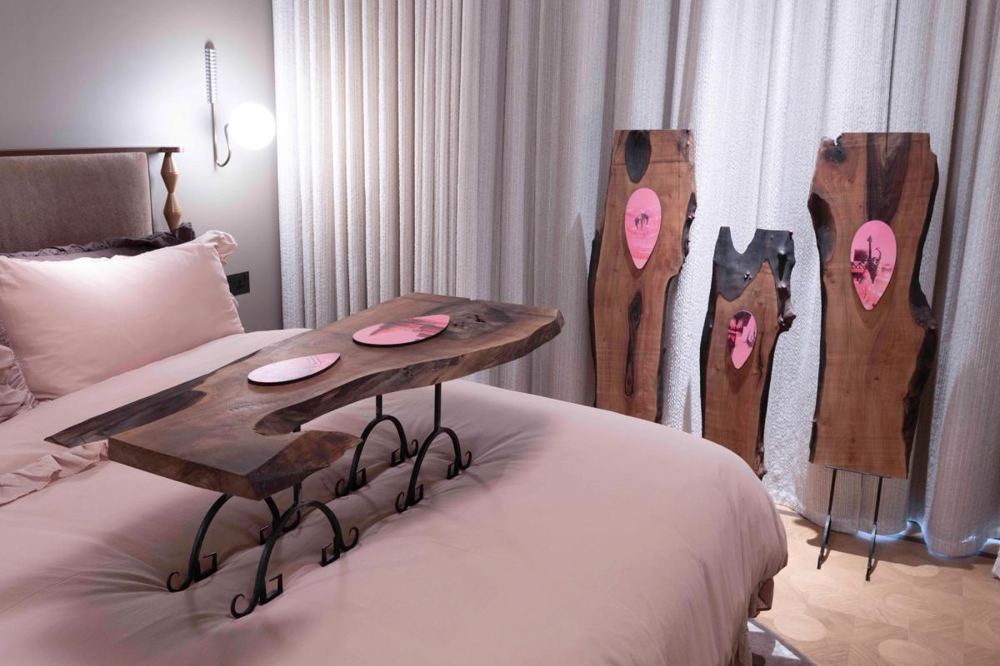
Puneet Shah of Akara Modern pre-sold two wooden wall-based works by Piraji Sagara to Indian collectors (price range £40,000 to £250,000). Another freestanding wooden sculpture went to an Indian buyer as the fair opened, while a final sculpture sold to a non-Indian buyer. This is the gallery’s first time at Frieze Masters.
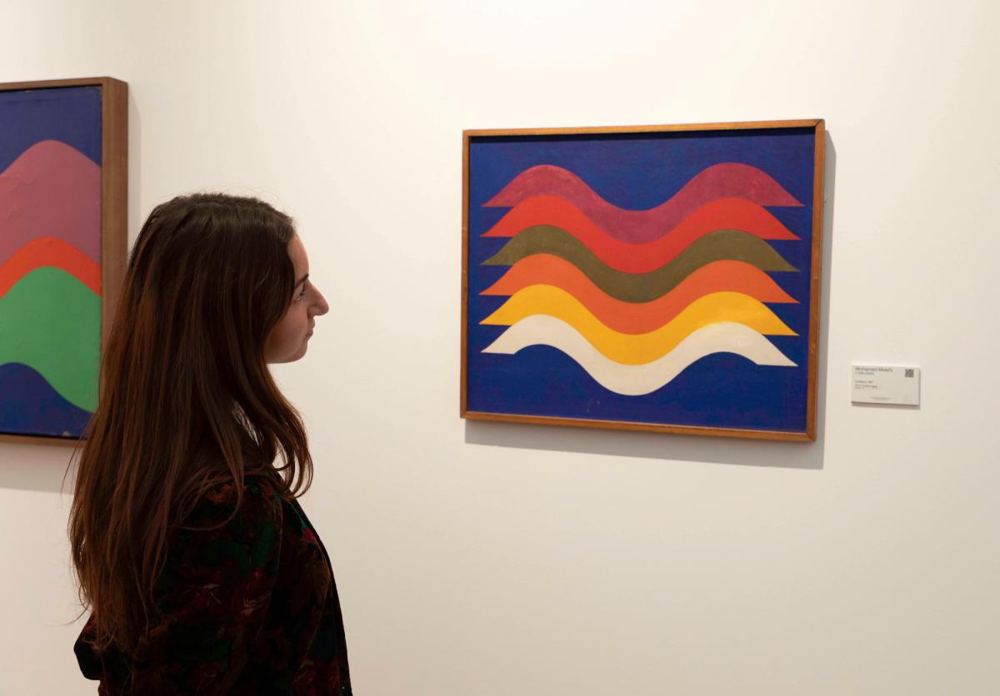
Marrakech and Casablanca’s Loft Art Gallery, also new to Frieze Masters, emphasises that its goal is to reach a wider clientele. The gallery is showing Mohamed Melehi, an influential figure from Morocco whose story is only beginning to be told in the West.
“The overall sentiment has been positive, with collectors showing a thoughtful and sustained interest in historically significant works,” says Yasmine Berrada, the gallery’s co-founder and director. “What has been particularly encouraging is the level of engagement from both established collectors and institutions, reflecting a growing recognition of Moroccan Modernism within the international art market.” Loft sold Mohamed Melehi’s Untitled (1967), an early example of his famous wave patterning, for €180,000, with two other pieces reserved.
London’s Alison Jacques has on its stand a solo show of Pacita Abad, a Filipino artist whose family left the Philippines for political reasons in 1970. While her textile works have been widely exhibited in the Arabian Gulf and the US, she is increasingly being introduced to Europe, with a travelling show next year that starts in Madrid. Alison Jacques, who began working with her estate last year, is no doubt pleased by the visibility. But while the gallery has seen interest, no sales were confirmed as we went to press.
Indeed, sales across the board were mixed by day two, with some galleries reporting interest and reserves more than confirmed turnover. In part, this is due to a slightly different clientele at Frieze Masters, who tend to think through decisions, in comparison to what one gallerist called the more “transactional” Frieze London. Others pointed to the fact that many US collectors were not coming until the weekend, after which they would travel onwards to Art Basel Paris. But few seemed worried. “It’s a very discerning clientele,” says Jonathan Mansie of Alison Jacques. “We do nine fairs a year and find that these conversations carry on. The fair doesn’t end on a Sunday.”
Other galleries reported that museums had reserved work, such as Lawrie Shabibi of Dubai, which showed delicate, fragile works on paper by the late Palestinian-Persian artist Maliheh Afnan (with two pieces sold in the price range of £30,000 to £40,000 and a larger work on reserve for a museum). And the geographical broadening has come with its own logistical challenges: Isabelle de Caters of Dubai’s Gallery Isabelle reported innumerable issues in bringing the work of Fereydoun Ave from Iran to London, with a presentation emphasising his close relationships with Cy Twombly and Robert Rauschenberg.
But while Sotheby’s is putting up a Twombly drawing in its noon sale today for £150,000-£200,000, the Ave works at Gallery Isabelle are all under $30,000. The big money, if not the attention, remains beyond the Global South. The Brussels gallery Maruani Mercier had an absolutely stunning amber Josef Albers on its stand for €1.5m. And the headline sale is a floral still-life by Jan Brueghel the Elder that sold on the opening VIP day for around £5m from Hauser & Wirth to a private individual.