Trade unions push for EU law to address menopause at work

The European Trade Union Confederation wants menopause enshrined in EU workplace legislation, as the European Parliament examines the issue and the Commission stops short of proposing a dedicated strategy.
The European Trade Union Confederation (ETUC), which represents 45 million members across 41 European countries, is pushing for menopause to be recognised in EU workplace law, arguing that a lack of support is costing women earnings, career opportunities and pension income.
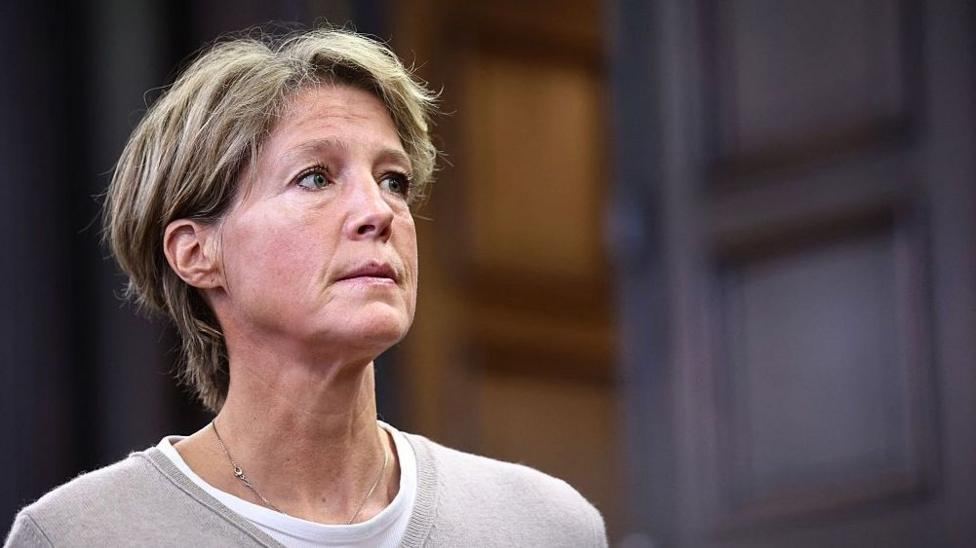
“Women’s work-related health risks remain largely ignored by the law, which remains orientated around male-dominated jobs,” said ETUC Deputy General Secretary Isabelle Schömann. “It’s high time that the law caught up with the reality of the whole workforce today and the risks facing them.”
The push comes as the European Parliament examines a report calling for menopause to be treated as an economic, employment and social issue, while the European Commission has stopped short of proposing a dedicated EU menopause strategy.
Menopause, which typically occurs between the ages of 45 and 55, affects a significant proportion of the workforce . Around 30% of women experience symptoms that affect their capacity to work, including fatigue, sleep disruption, hot flushes, joint pain, anxiety and difficulties concentrating. Around 85 % of women experience at least one of those symptoms.
Research cited by the confederation found that women's earnings in Norway fell by 7.4% by the fourth year after a menopause diagnosis, with reduced working hours, sick leave and missed promotions contributing to the decline.
“Loss of pay, lost promotions, and lower pensions is the price being paid by millions of women for the failure to adapt work to the menopause,” Schömann said.
The campaign comes amid growing recognition of menopause in the EU's gender equality agenda, although concrete workplace protections remain largely a matter for national legislation and employers.
In November 2025, Equality Commissioner Hadja Lahbib said the Commission was not planning a dedicated EU strategy on menopause, while pointing to research projects funded through Horizon 2020 and Horizon Europe addressing its medical and social impacts.
The Commission has since included menopause in its Gender Equality Strategy 2026-2030 , published in March. The strategy commits to exchanging national best practices on tackling menstrual and menopause poverty and to a study, planned for 2028, on the economic and societal benefits of closing the women's health gap, including menopause.
The commitments mark a shift towards recognising menopause in the EU's wider equality agenda, but stop short of proposing dedicated legislation setting out workplace rights for menopausal employees.
The European Parliament is seeking to push the issue further. Spanish Socialist MEP Lina Gálvez is leading a draft report titled Menopause beyond a health issue: turning menopause into an economic, working and social priority.
The draft, which will be further discussed at the plenary session only next year, calls for a dedicated EU strategy, broader research, public campaigns to challenge stigma, better workplace support and improved access to healthcare.
“It is therefore essential to have an EU strategy that includes broader and more inclusive EU research, evidence-based public campaigns to change the social perceptions, improved workplace support and improved access to healthcare,” Gálvez wrote in the draft report. “It is time for the EU to tackle menopause.”
The report remains a parliamentary initiative, rather than adopted EU policy.
For the ETUC, the priority is to ensure that menopause is reflected in the way workplaces are organised and regulated.
Its demands include risk assessments covering workplace temperature, ventilation and facilities; flexible hours and remote working; training for managers and human resources staff; and physical adjustments such as temperature controls and ergonomic equipment.
The confederation also wants menopause policies negotiated with trade unions, then implemented and monitored, alongside free menstrual and menopause products at work.
“The way work is organised can make a crucial difference in deciding the impact of the menopause,” Schömann said, adding that unions are already negotiating collective agreements covering workplace adjustments and flexible arrangements.