‘Narcos have one language, violence’: the activist defying France’s biggest drug cartel after his brothers’ murder
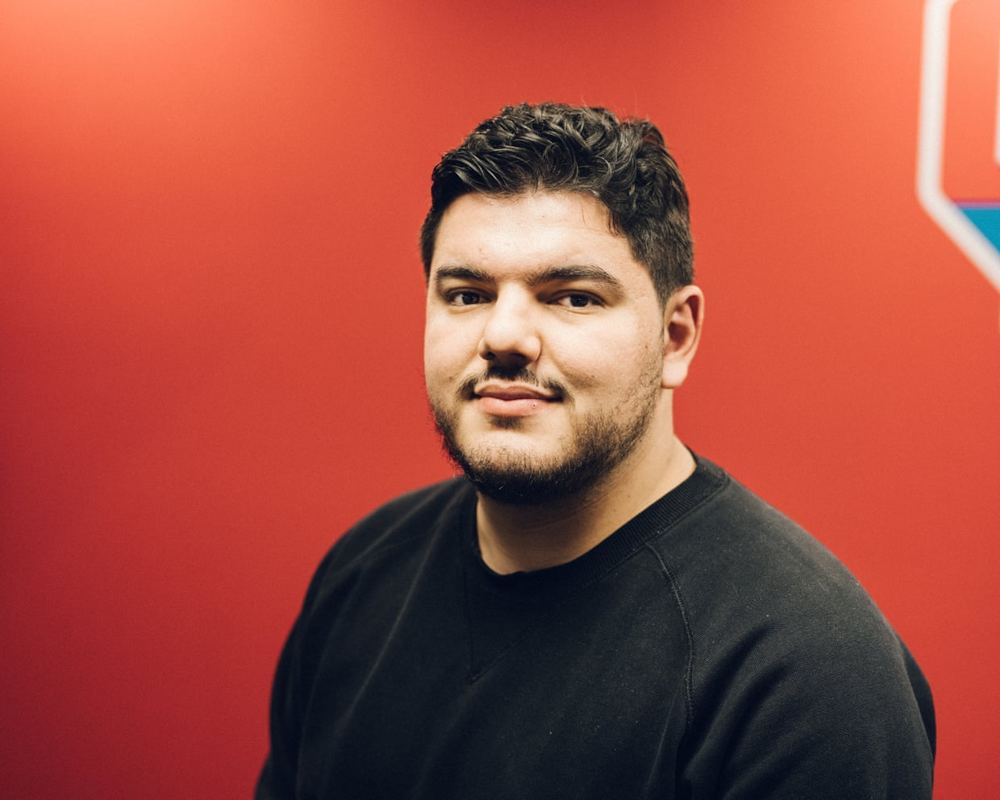
Amine Kessaci, 23, lives under constant threat as trial of five men becomes focus of nation’s battle with mafia-style crime At 23, he is one of the most heavily protected people in France, constantly sleeping in different locations to escape the threat of contract killers from the country’s biggest drug cartel. “Narcos and drug traffickers only have one language, one method: violence,” said Amine Kessaci, a young law student from a Marseille housing estate, who, after the murder of his two brothers, has become the most outspoken voice against the Latin American-style narco gangs expanding thei
Amine Kessaci, 23, lives under constant threat as trial of five men becomes focus of nation’s battle with mafia-style crime
At 23, he is one of the most heavily protected people in France , constantly sleeping in different locations to escape the threat of contract killers from the country’s biggest drug cartel.
“Narcos and drug traffickers only have one language, one method: violence,” said Amine Kessaci, a young law student from a Marseille housing estate, who, after the murder of his two brothers, has become the most outspoken voice against the Latin American-style narco gangs expanding their reach across France .
“Violence is all the [narco bosses] understand, so as soon as they have someone facing them who speaks out, who puts the reality into words, who organises solidarity with others, they see a competitor for their influence on the ground. They try to silence that voice, and that’s what they’re doing with me,” he said.
From Monday, a courtroom in the southern town of Aix-en-Provence will become the focus of France’s battle with mafia-style drug dealers, who the government has said now pose a greater risk to the nation than terrorism.
The crisis of France’s Latin American-style cartels has become a key battleground before the 2027 presidential election as the right and the far right accuse the government of failing to stop drug barons who boast an annual turnover of billions of euros and who have ordered dozens of killings in recent years.
Five men with alleged connections to a major Marseille-based organised crime group, known as DZ Mafia, will go on trial for the murder of Kessaci’s elder brother, Brahim, and the three-week hearing hopes to expose the reality of cartel bosses so powerful they can allegedly order killings from jail. The five men deny the charges.
Kessaci was 17 and living on a low-income housing estate in the Mediterranean port city when Brahim, 22, who had been recruited to a drug gang as a teenager, was shot and then burned in a car by a Marseille motorway in 2020.
It was a brutal killing of a style that has become a regular event in Marseille and beyond.
From the 1930s to the 1970s, Marseille was a centre for heroin processing factories, exporting the lucrative drug to the US. But in the past two decades, the drug trade of cannabis and cocaine has focused on French consumption, recruiting local children as what Kessaci calls “child soldiers” and filling an economic void in the deindustrialised city, where some northern tower blocks have high youth unemployment and many young people leave school without qualifications.
Kessaci wrote a book, became an activist for the Green party and tried to influence government policy explaining how poor teenagers were easy prey. He described how, aged 10 and in his pyjamas, he sat in the back of his mother’s car as she desperately drove round estates at night trying to pull his brother away from gangs, and was threatened by a gun herself.
But at the height of Kessaci’s public campaigning, in November 2025, another brother, Mehdi, 20, who wanted to join the police force and had no connection to drugs, was shot dead during the day in Marseille. There were street marches and outrage that drug gangs were using violence to try to threaten anyone who spoke out and the state appeared powerless.
“The real challenge is to deconstruct the myths around drug dealing,” said Kessaci, who this year was elected as a deputy mayor of Marseille. “We’re seeing in all these different TV series turning drug barons into heroes … They’re telling children Pablo Escobar [the notorious Colombian cartel boss] was someone good, when history does not show that’s true.”
The reality, Kessaci said, was that on housing estates in Marseille and elsewhere in France people were forced to live with dealers running checkpoints, young boys being recruited instead of attending school and drug gangs filling “a void” left by a lack of public services.
“Young people [in France] are being sold an illusion [by these gangs] that they can make €500 a day … But young people are the first to be killed in these drug wars. And at the summit you have a handful of people living very well off it.”
Kessaci said the French state had to go after French drug kingpins living abroad, in Dubai or elsewhere. Young boys were being recruited through a “capitalist lie” about making money in drugs, when in fact young dealers were left destitute and exposed to dehumanising violence, he added.
“It’s an enormous challenge today, in particular in Marseille, to fight against this idea of ‘Kalashnikov cool’. It’s a civilisational challenge … We’re in a war of civilisation, that’s a term used by the far right, but I refuse to leave that term to them. We have to reappropriate it because we’re in a war to show children that human life is worth more than money.”
For teenagers on an estate who see their parents getting into debt to pay bills and who feel abandoned by the school system, “they are looking to belong to a community”, Kessaci said, and they fall for what he called the drug gangs’ “smoke and mirrors” promise of high earnings.
For Kessaci, the solution is social and economic: better public services and education. “You can break the myth of narco gangs if schools allow children to dream again, to have a perspective for the future … I get really angry with influencers who show a life that’s not true, filming in Dubai with cars, apartments, restaurants, clubs, an astronomical spend on wine. It’s all fake.”
The 23-year-old currently heads Marseille’s social housing organisation and wants to tackle the impact of housing on children falling into drug crime. He has support across the city as many other bereaved families work to try to keep teenagers from crime.
“It’s not possible for this to continue, so I’m trying to give children and teenagers another horizon,” said Farida Chater, who runs a youth and sports association on the Visitation housing estate in Marseille. Her aim is to keep teenagers occupied and away from drug recruiters.
“I’ve suffered myself, I lost my son-in-law in a shooting in 2019,” Chater said. “Now I want to protect the next generation, to show there are better options, to not be tempted by false promises of easy money.”