Youth services in parts of England in state of emergency, children’s commissioner says

Rachel de Souza names Middlesbrough and Hounslow among hardest places in which to grow up and says some children are being ‘radically failed’ Services for children in parts of England are in a “state of emergency”, according to a report that identifies what it claims to be the hardest places in the country for young people to grow up in. The children’s commissioner, Rachel de Souza, said in some local authorities individual service failures or systemic problems meant “no child could reasonably be expected to thrive and those that do thrive do so against the odds”. Continue reading...
Rachel de Souza names Middlesbrough and Hounslow among hardest places in which to grow up and says some children are being ‘radically failed’
Services for children in parts of England are in a “state of emergency”, according to a report that identifies what it claims to be the hardest places in the country for young people to grow up in.
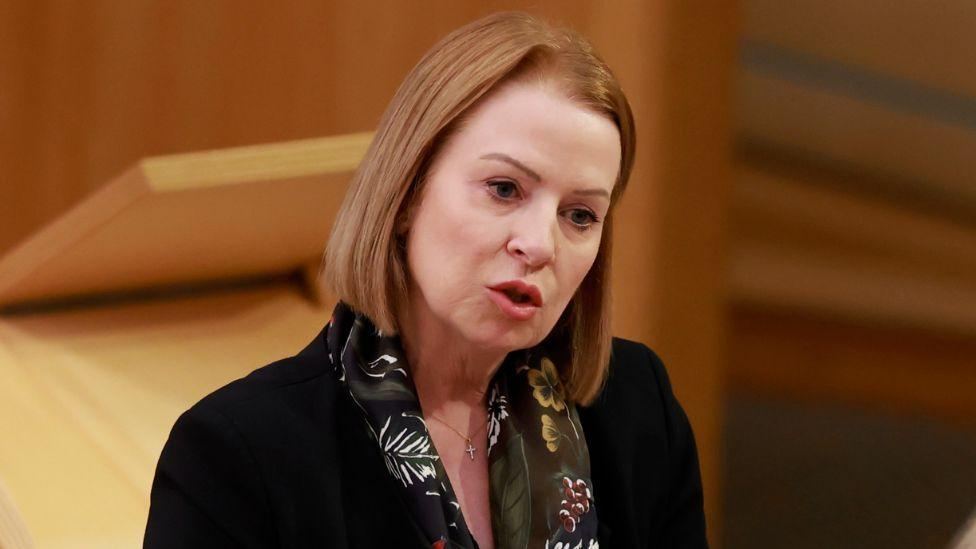
The children’s commissioner, Rachel de Souza, said in some local authorities individual service failures or systemic problems meant “no child could reasonably be expected to thrive and those that do thrive do so against the odds”.
She said she had spoken to children on recent visits to schools, youth clubs and young offender institutions around the country and some of the things she had heard and seen had “utterly disgusted” her.
On a recent visit to Middlesbrough, a 14-year-old-girl had informed her of the crime statistics in her area. “Children should not have to know those statistics,” De Souza said.
She added: “Their parents should not have to talk about them over dinner to explain why children cannot play outside. Schools should not have administrative staff dealing with drug overdoses and racist thugs. Nowhere in England should ‘a chase from the police’ be a primary source of entertainment.”
De Souza said she wanted to shine a light on areas where childhood was hardest. “We cannot shy away from the fact that indicators such as poor education outcomes, long health waiting lists or simply feeling unsafe converge in particular places,” she said.
“In some communities, these challenges amount to nothing less than a state of emergency. Not for every child. Not everywhere. But what we see here is a litany of failure. In so many areas of the country, children are being radically failed.”
Her analysis is based on official data covering more than 160 measures, including child poverty, educational outcomes, community safety, NHS waiting times and access to playgrounds.
It names a clutch of relatively deprived areas, Middlesbrough, Hounslow, Bradford, Nottingham, Halton, Peterborough, Leicester, Liverpool, Sunderland and Medway as the hardest places in which to grow up in England.
By contrast, a series of relatively wealthy areas, Cheshire East, Merton, Surrey, Richmond upon Thames, Hertfordshire, Cheshire West and Chester, Haringey, Leicestershire, Central Bedfordshire and Wokingham, are identified as the least challenging places in which to be a child.
“What children across the country feel to be true is in fact true. That it simply is harder to be a child in Middlesbrough than it is in Cheshire … the outcomes are shocking … an unacceptable failure,” the report says.
It adds: “When areas are unsafe, that is not a point on a dashboard, it is children being the subject of racist abuse and violence on the way to school. When local services fail, it is not a failure to hit KPIs [key performance indicators], it is a child on the phone to their school with their parents dead in the other room.”
The report, called The Children’s Lottery , says a north-south divide exists, with authorities in the south more likely to score higher across the metrics, and those in the north more likely to score lower, with the Midlands in between.
De Souza said children should be a priority in the government’s devolution agenda and she urged the government to draw up a series of minimum standards for education, policing, health and youth services. A national fund should be created to invest in areas that fail to hit the benchmarks.
She recommended that every strategic authority should have a deputy mayor for children, accountable for delivering on a “children’s test” ensuring that local policies bring benefits and improvements to young people’s services.
The Department for Education said it was working to improve childcare support and school standards, and it was giving more power to “local leaders” to shape the future of their education.