Generation Z in France, Spain and Albania is trapped: study hard, stay poor, live with your parents. No wonder they’re protesting
From under-resourced schools in France to Spain’s housing crisis and student protests in Albania, the immediate grievances differ. Yet they raise a common question: can young people turn education into secure work and an independent life?
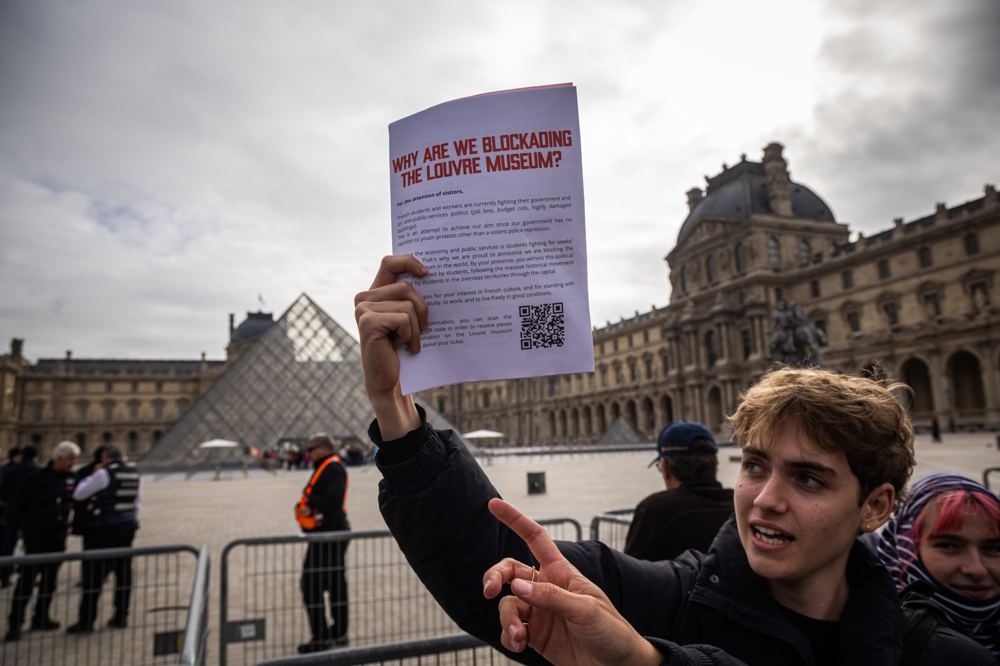
In Paris, students have protested over shortages of teachers, overcrowded classrooms and deteriorating school buildings.
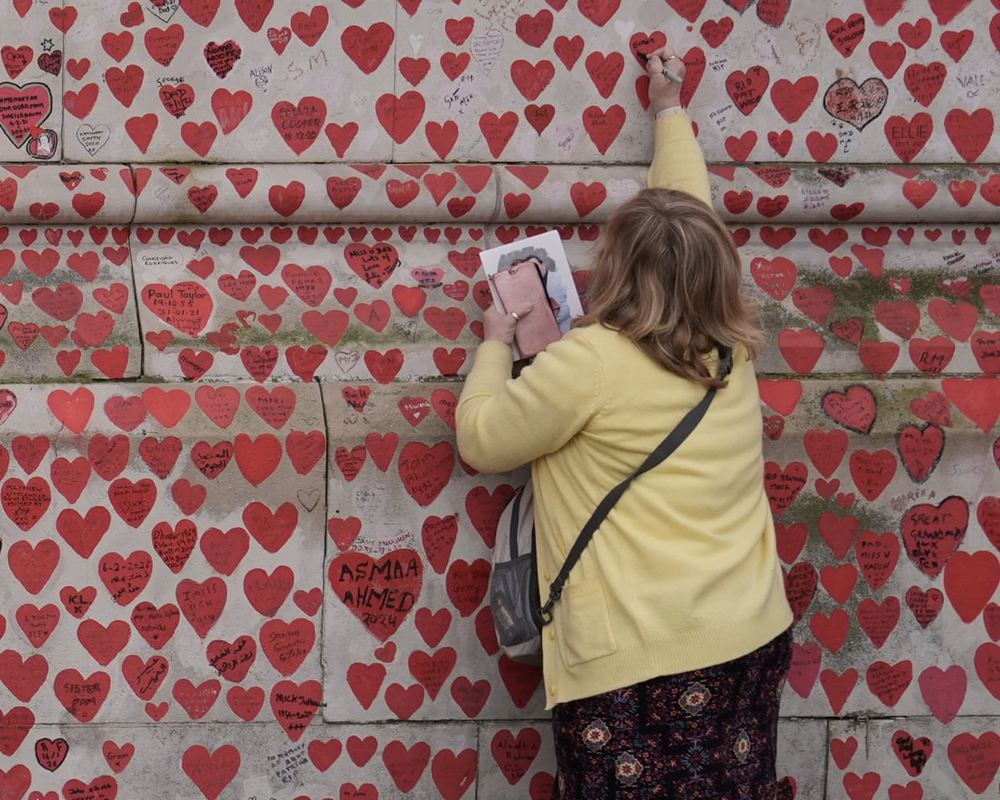
In Spain, the eviction of 87-year-old Maricarmen Abascal, who died on 7 October, became a rallying point for housing protests.
In Tirana, students joined wider demonstrations over education costs and corruption allegations.
These are not parts of a single movement, and the protests do not have one common cause. But they bring into focus a shared challenge: whether young people can see a credible route from education to decent work, and from financial dependence to a life of their own.
Since September, French students have demonstrated over teacher shortages, overcrowded classes and deteriorating school buildings. Their demands concern more than the day-to-day running of schools. They also raise a question about equal opportunity: can public education give every student the tools to move forward, regardless of where they live or what their family can afford?
In 2025, 25.5 percent of people aged 15-29 in France were at risk of poverty or social exclusion, compared with 24.2 percent across the EU, according to Eurostat .
In August 2026, unemployment among under-25s stood at 20.6 percent, against 8.2 percent for the population as a whole. The corresponding EU rates were 15.4 percent and 6.1 percent.
These figures do not show that school shortages cause youth unemployment. They do show how difficult the step from education into work remains for many young people and why well-resourced schools matter most in areas with the fewest opportunities.
Housing can make that transition harder still. In Paris, one-in-two private tenants under 30 spends more than 51 percent of their income on rent. A Eurostat indicator also shows that 70 percent of 20-24-year-olds and 25 percent of 25-29-year-olds either live with their parents or are financially connected to their household.
France scored 66 out of 100 and ranked 27th of 182 countries in Transparency International’s 2025 Corruption Perceptions Index . The index measures perceptions of public-sector corruption, not the number of proven incidents. It does not explain the school protests, but it underlines why transparency and accountability matter when public services and resources are at stake.
Abascal’s eviction from the Madrid flat where she had lived for decades prompted demonstrations in several Spanish cities and renewed calls for stronger tenant protections. Her case was not a youth protest, but it put a human face on a housing crisis that also shapes whether younger people can leave home and build an independent life.
In 2025, 67.1 percent of Spaniards aged 18-34 lived with at least one parent, according to Spain’s National Statistics Institute .
Among those living with a parent, 28.3 percent said they could not afford to rent. The average age at which young people left home was 30.2, compared with 26.3 across the EU, according to Eurostat .
Housing pressure does not operate in isolation. In 2025, 27.6 percent of Spaniards aged 15-29 were at risk of poverty or social exclusion, above the EU rate of 24.2%.
In August 2026, unemployment among under-25s was 22.7 percent, more than twice the overall rate of 10 percent. When joblessness is so much higher among the young and rent is beyond the reach of many, delayed independence cannot be reduced to personal preference.
Spain scored 55/100 in the 2025 Corruption Perceptions Index, ranking 49th of 182 countries. That score does not establish a link between corruption and housing protests. But when people are asking for effective action on housing, transparency over how decisions are made, and accountability for whether they work, are part of the debate.
In October, students in Tirana protested over education costs and corruption allegations, joining a broader anti-government movement. Their participation brought education and young people’s prospects into a wider debate about living costs, employment and trust in public institutions.
Albania’s official figures show that 19 percent of the population was at risk of relative poverty in 2025, while 31.2 percent experienced severe material and social deprivation, according to INSTAT . The two measures describe different aspects of hardship: one compares household income with the national poverty threshold; the other captures enforced inability to afford basic goods and activities.
Young people also face a difficult entry into the labour market. The World Bank’s ILO-modelled estimates put overall unemployment at 10.9 percent in 2025, rising to 25.6 percent among 15-24-year-olds. The estimated average age of leaving the parental household seemed to be 30.9, compared with 26.3 in the EU, according to Eurostat’s dataset . Together, however, these indicators describe the hurdles between education, employment and independence.
Albania scored 39/100 and ranked 91st of 182 countries in the 2025 Corruption Perceptions Index. The measure is not a count of actual cases, but corruption allegations are part of the protests themselves. That makes transparency, accountability and public trust more than abstract principles: they shape whether people believe institutions respond fairly to their concerns.
Behind the statistics are millions of young people struggling to turn their ambitions into reality. The obstacles reinforce one another: under-resourced schools can narrow choices, unemployment can delay financial independence, and high housing costs can prolong dependence on family.
Across the EU, house prices rose by 55.4 percent and rents by 26.7 percent between 2010 and 2024, often outpacing income growth, according to Eurofound .
That is why the response cannot be confined to one policy area. It means properly staffed and maintained schools, routes from education into decent work, more affordable and social housing, targeted help with rent, and stronger protections for tenants.
Young people should also have a meaningful say in policies that shape their education, employment and housing.
A strong welfare state and effective social protection can help ensure that a young person’s prospects are not determined solely by family income or place of birth. If a low-income family cannot support a young person’s move towards independence, financial dependence can pass from one generation to the next. Tackling that cycle is part of building social justice and societies in which young people can plan a future with greater confidence.
The future will show whether today’s protests lead to lasting policies. The test will be whether young people can study, find decent work and afford a home without their prospects being set by the circumstances into which they were born.
Georgios Koulouris is a political scientist and communications professional based in Greece. His writing focuses on social issues affecting Europe and its young people. He currently works as a communications coordinator at KMOP, one of the oldest non-profit organisations in Europe, based in Greece and in Brussels.