‘Project Fear’ didn’t work, so why do we keep demonising far-right and left voters?
My beef with both far-right and far-left populists is that they're false prophets. In Europe, at least, the squeezes on public services, high taxes, debt burdens and crippling costs of living are legacies of the Covid pandemic, wars in Ukraine and Iran and a eurozone crisis that was never fully resolved. These can’t be wished away, and they won’t be cured with caps on immigration, higher taxes on the rich or the promise of earlier retirement.
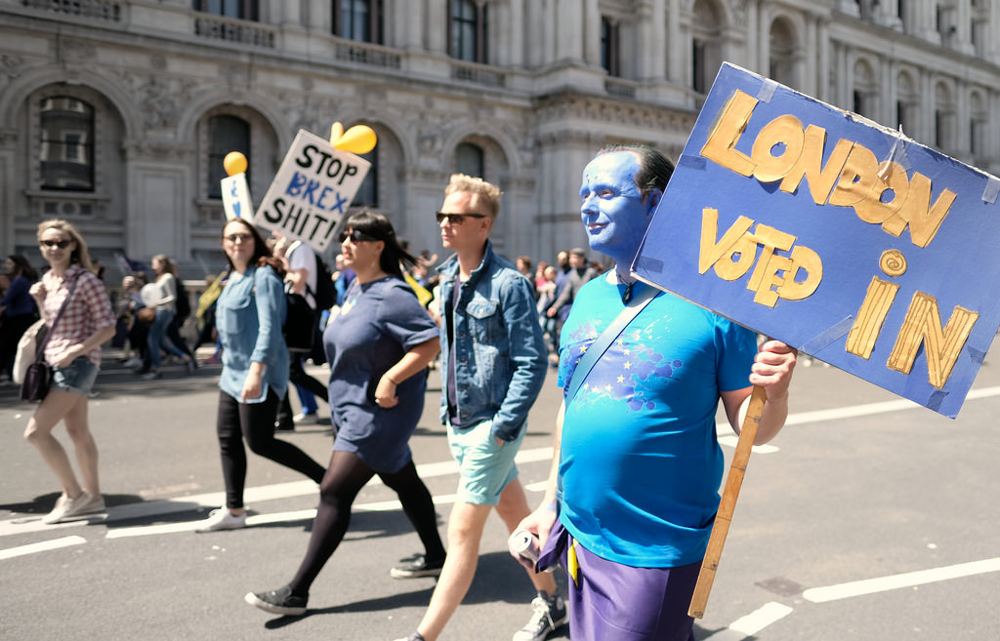
Ten years ago, ‘Project Fear’ was at the heart of the ‘Remain’ campaign’s inept efforts to persuade Britons not to vote to leave the EU.
Voting for Brexit, according to David Cameron’s government Doomsday forecasts, would cost every household £4,300 (€5,000) per year from 2030, lead to an immediate recession and mean lower house prices.
It was a huge mistake. That all the pro-EU camp could say about being members of the club was that it would be very expensive to leave was a jarring admission of failure. And the promised economic apocalypse of instant recession and house price warnings didn’t happen. Most people simply didn’t believe the figures or that the politicians behind them were being honest about them. The result, as we know, is that more than 17m Brits gave the ‘establishment’, or what they perceived it to be, a big kick up the arse.
Fast forward to 2026 and newly-minted UK prime minister Andy Burnham has put all options for UK-EU relations, including rejoining, back on the table.
The UK Treasury, which drew up the prophecies of doom, is now expected to publish a study analysing the potential economic benefits of Britain moving closer to the EU ahead of November’s EU-UK summit.
Personally, I think Brexit and the piecemeal trade and cooperation agreement that governs EU-UK trade has resulted in a small but significant economic hit.
The hope is that the treasury won’t promise milk, honey and gold-paved streets if the UK rejoins the EU or its single market.
If over-promising increases the speed at which voters get disappointed with governments, the Brexit vote is proof that trying to frighten people is the fastest way to lose an election.
Benjamin Fox is our trade and geopolitics editor. His reporting has also been published in the Guardian, the East African, Euractiv, Private Eye and Africa Confidential, among others. He is based in Nairobi, Kenya, although he often reports from London.