Discovering Almaty: Mountain mornings, street art and market flavours
Kazakhstan’s former capital marked its birthday with music, markets and apple fairs. Beyond the celebrations, mountain breakfasts, colourful architecture and art hiding in plain sight offer reasons to linger.
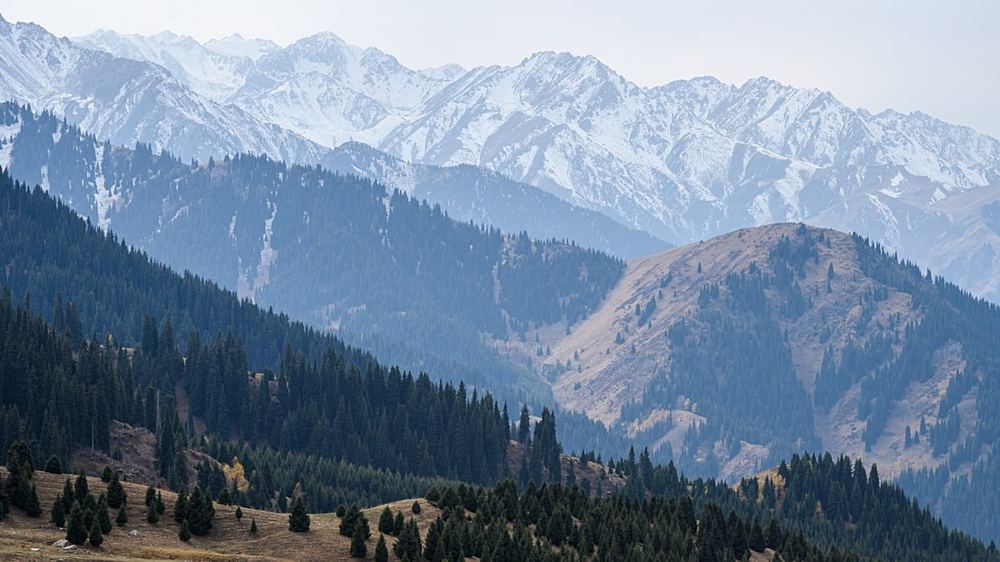
The first thing many newcomers notice about Almaty is the skyline. Snow-capped peaks of the Trans-Ili Alatau rise beyond the rooftops, close enough to shape everyday life. They even influence the way people give directions. In a city laid out largely on a grid, locals may tell you to head “up”, meaning towards the mountains, or “down” - away from them.
You can start with coffee in the city centre and head towards the foothills for a walk or a late breakfast. The mountains are close enough to be part of an ordinary morning, and not just a weekend escape.
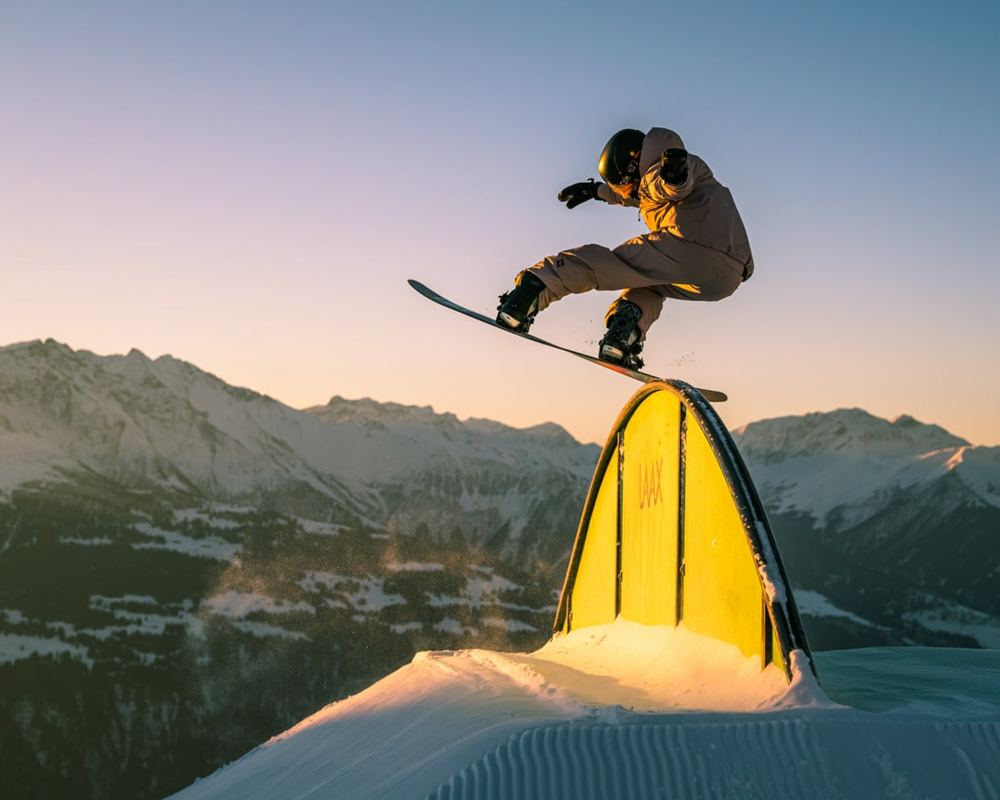
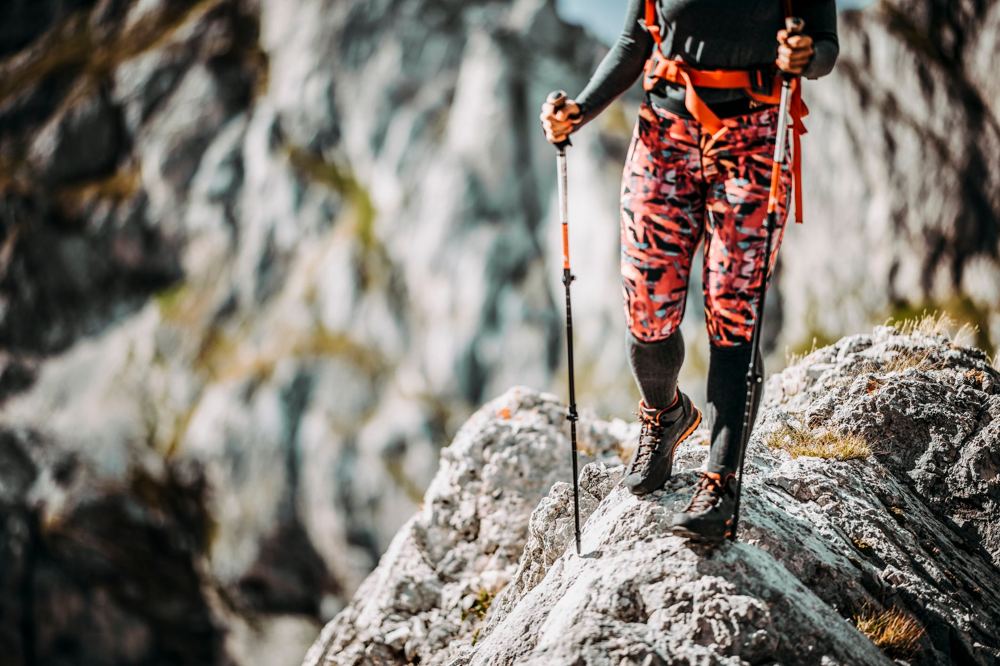
To explore the mountains, head to the Medeu base station and take the cable car up to Shymbulak Mountain Resort. In winter, skiers and snowboarders come for the slopes, but you can also visit simply for the views or a meal in the mountains. There are opportunities for walking and hiking all year round.
Almaty was Kazakhstan’s capital until 1997, and its cultural reputation runs deep. Look closely at older buildings and you’ll find layers of the city’s artistic history: brightly coloured mosaics embedded in facades.
Many date from the 1960s to the 1980s, when monumental artists from across the Soviet Union worked in the city. Some have since been damaged or lost, making the surviving works worth seeking out.
Almaty’s buildings tell other stories too. The colourful wooden Ascension Cathedral, completed in 1907, survived a major earthquake just four years later.
For a contemporary contrast, visit the Almaty Museum of Arts, which opened last year. Designed by the British architectural firm Chapman Taylor, its two interlocking forms represent the mountains and the city, one clad in limestone and the other in aluminium. Inside, the collection brings together modern and contemporary art from Kazakhstan, Central Asia and beyond.
The Green Bazaar is a good place to discover another side of Almaty. Apples share space with dried fruit, nuts and local produce, while the surrounding food scene moves easily between Kazakh staples and dishes familiar across Central Asia.
Try beshbarmak, a dish of meat served over flat pieces of pasta, or kazy, a traditional horsemeat sausage. Dairy specialties are worth sampling too: kurt (salty dried curd balls) and kumys (fermented mare’s milk with a tangy flavour).
Make room for plov, a rice pilaf, lagman noodles or steamed manty dumplings. The range of flavours offers a glimpse of the different communities and traditions that have shaped the city.
Almaty’s appeal changes with the seasons: winter brings skiing, warmer months invite mountain walks, and the city’s museums, markets and varied food scene offer plenty to explore throughout the year.
It can also be the starting point for a longer journey. With flight connections to Europe and East Asia, as well its location next to neighbouring Bishkek in Kyrgyzstan and Tashkent in Uzbekistan, Almaty lends itself to a stopover for a wider Central Asian itinerary. Before moving on, though, leave a few days for the city itself.