Neo-Nazi messages, links to Moscow, and Alice Weidel’s hypocrisy. 13 years of AfD emails have leaked
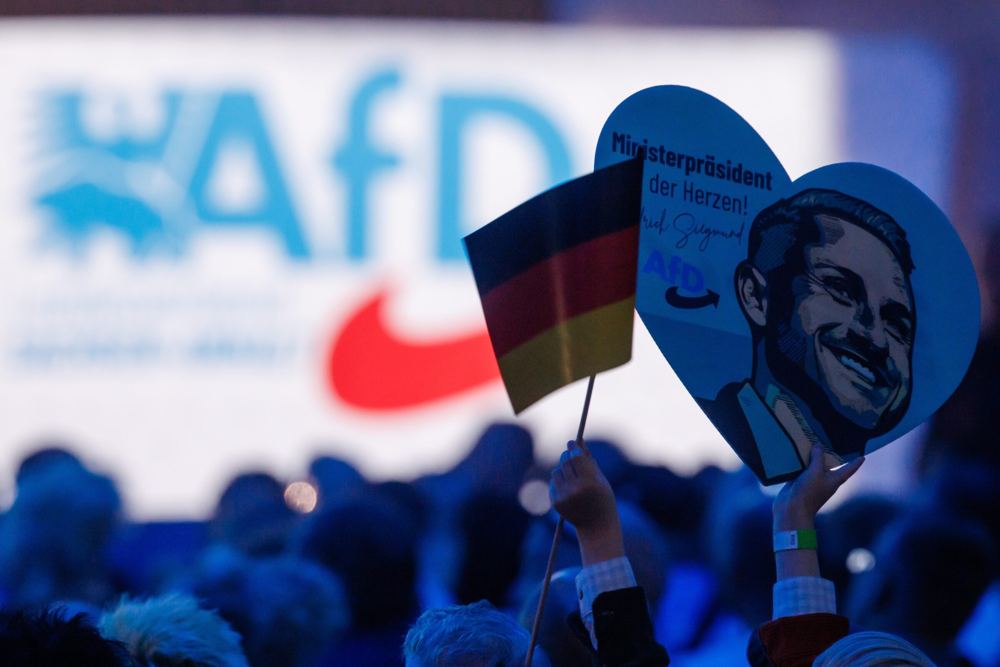
More than 400,000 emails exchanged by members of Germany's far-right AfD party between March 2013 and September 2026, effectively covering the party's entire history, have appeared online. What's in them?
One could ask, what might politicians from a far-right party, as the Federal Office for the Protection of the Constitution describes Alternative for Germany (AfD), write to one another?
More than 400,000 emails exchanged by AfD members between March 2013 and September 2026, effectively covering the party’s entire history, have appeared online.
They were published by hackers from the Distributed Denial of Secrets (DDoSecrets) organisation, who obtained 284 gigabytes of data, including minutes from meetings of the party leadership, payslips, strategic documents, membership lists and donors’ names.
According to the Correctiv website , the material also includes election campaign plans, for example for the 2025 parliamentary election. Their authors describe how to reach potential voter groups. They describe the governing parties at the time as enemies.
It is unclear yet whether all the emails are genuine, but the party has confirmed the leak. German media outlets with access to them estimate that assessing the information could take months.
It is already clear that the emails offer an insight into how Germany’s currently strongest political party operates and how it approaches certain issues, including neo-Nazism.
The media are gradually uncovering messages that are uncomfortable for AfD's leading figures, including its co-chair Alice Weidel .
One of the most striking findings is that in private she was not as radical as she liked to portray herself in public. And, according to German media, the difference is considerable.
The leaked emails also suggest how the German party sought to forge closer ties with the US conservative Maga movement and president Donald Trump , whom it saw as a potential ally.
In foreign policy, they also point to deeper links with Russia than had previously been known.
Thousands of emails could also play a role in a potential ban on the party, which is not yet decided upon but is being debated in Berlin.
Soňa Weissová is a reporter for Denník N. She studied journalism at Comenius University and worked in several newsrooms of Slovak Radio from 2009 to 2024. In the 2016 Journalism Award, she was nominated for the Czechoslovak Public Choice Award for a radio series about Václav Havel. Since 2019, she has focused on foreign reporting, and following the outbreak of the war in Ukraine she served as head of the radio foreign news desk. At Denník N, she covers Austria, Germany, the European Union, and other current topics.