Berlin to cover state policy costs as heat and AI risks strain economy
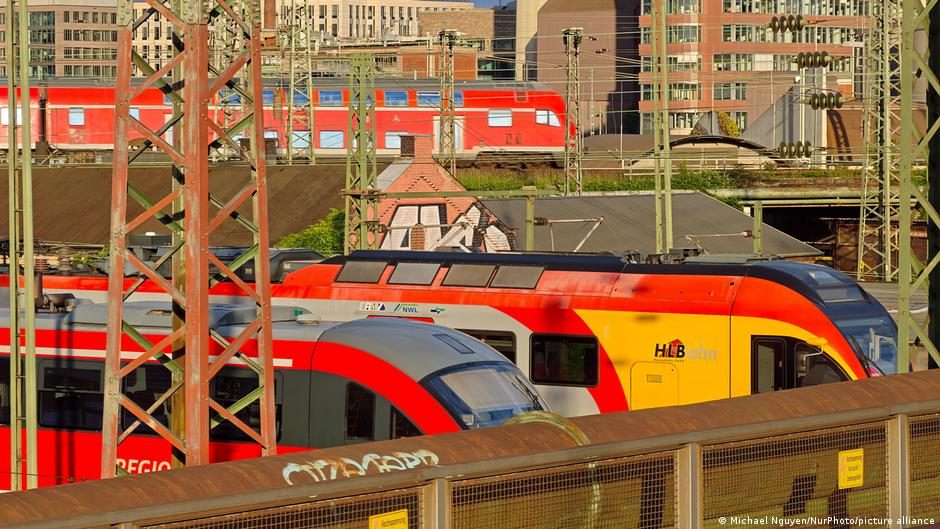
Germany’s federal government has agreed to shoulder the majority of new policy costs imposed on regional governments, a fiscal reform that arrives as the country's infrastructure buckles under extreme heat and its tech sector falls behind in the artificial intelligence race.
Germany's federal government and the leaders of its 16 states have agreed to a major shift in how new laws are funded, ending a system that long burdened local budgets. Under the new framework, Berlin will cover 80% of additional costs imposed on municipalities by federal or EU regulations, provided those expenses exceed a €125 million threshold.
The agreement resolves a persistent dispute where regional governments were forced to absorb the financial fallout of laws they had no power to block. Chancellor Friedrich Merz said the deal marks a "new chapter of federal, collegial cooperation."
Lower Saxony premier Olaf Lies called the agreement a "breakthrough." Rhineland-Palatinate premier Gordon Schnieder noted that the principle of "who orders, pays" will save municipalities €3 billion next year alone, with that figure growing in subsequent years. The relief takes effect on September 1.
Competitiveness and infrastructure pressures
This fiscal breathing room for local governments coincides with mounting concerns over Germany's broader economic competitiveness. Deutsche Bank warned this week that the country risks losing ground in the global artificial intelligence transformation.
Chief economist Robin Winkler highlighted a stark investment gap, noting that Germany puts less than 1% of its economic output into software. This places it far behind leading European peers like Sweden, which invests roughly 4%.
Physical infrastructure is simultaneously under acute stress from a prolonged heatwave. The German Weather Service recorded the country's hottest night in nearly seven years, with temperatures in Bad Bergzabern failing to drop below 26.2 degrees Celsius.
The extreme heat carries immediate logistical risks. Deutsche Bahn has advised passengers to postpone or cancel journeys due to the increased risk of rail disruptions. In Dresden, officials have banned water extraction from rivers and lakes until October to combat drought and critically low water levels.