FIFA enforcement turns banned brands into World Cup winners
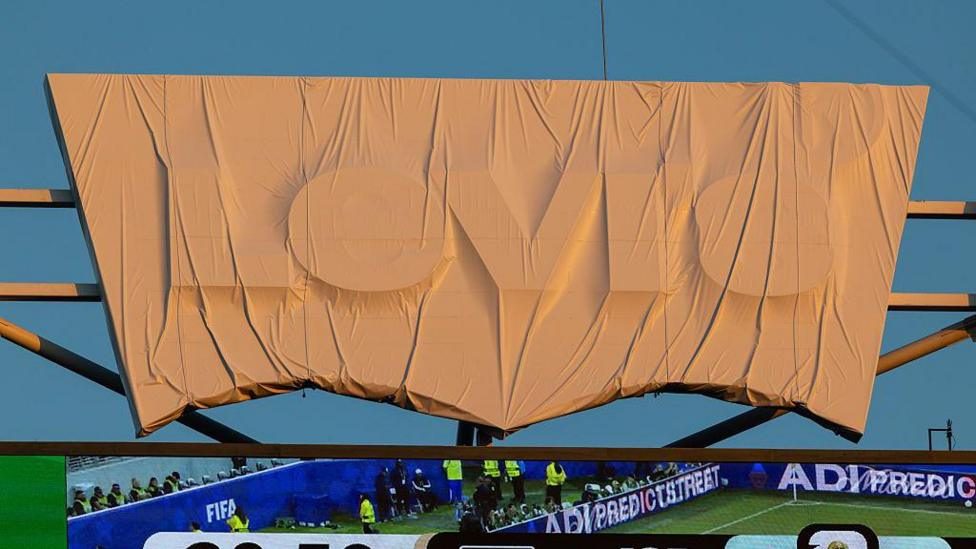
FIFA's aggressive protection of official World Cup sponsors has inadvertently handed non-paying brands like Levi's and Beats a global marketing triumph, questioning the value of multi-million-pound exclusivity deals.
FIFA is scrambling to suppress non-sponsor brands at the World Cup, but its enforcement tactics are generating the very publicity it seeks to prevent. Logos for Levi's, Heinz and Beats have been physically covered or taped over at venues and in press areas.
At the Levi's Stadium in San Francisco, a white tarpaulin hides the venue's namesake logo. In the press box, ketchup bottles have their Heinz branding obscured. German player Jamal Musiala was even photographed with tape over the Beats logo on his headphones.
This aggressive visibility control is backfiring through the Streisand Effect, where attempts to suppress information only draw more attention to it. Rather than hiding these companies, FIFA's actions have placed them at the centre of the tournament's narrative, arguably generating more conversation than the official sponsors.
Football's governing body is legally obligated to protect official partners who pay tens of millions of pounds for exclusivity. FIFA controls stadium names, player attire, and even typefaces to ensure free-riding brands cannot dilute that investment. If non-sponsors get the same exposure for free, the entire sponsorship model collapses.
This battle predates the current tournament, stretching back to 1994. In 2006, Dutch fans were forced to strip off Bavaria-branded trousers, watching a match in their underwear and generating worldwide headlines for the brewery. In 2010, South African airline Kulula withdrew a campaign calling itself the unofficial carrier of the "you-know-what", a move that generated more press than the advert itself.
Today, banned brands are instantly monetizing FIFA's interference. Heinz turned a taped-up bottle into a limited-edition product release. Beats used a photo of the masked Musiala headphones, captioned "Spoiler alert: it's a b.", to tease an unreleased product.
Levi's capitalized on a nine-million-view TikTok of its covered logo by rolling out the tarpaulin design across its stores in London, Paris, Milan and Berlin. The cover-up itself became the campaign.
This creates a divergent market reality for advertisers. Ambush marketing captures immediate, viral attention during the event itself, essentially turning FIFA's security measures into free content. Official sponsorship still retains the rights, VIP hospitality and long-term memory association that are difficult to replicate through guerrilla tactics.
However, as enforcement itself becomes the marketing channel, brands may increasingly question whether paying for exclusivity is worth the premium. Right now, the unofficial brands have captured the world's attention. Who retains it long after the trophy is lifted will determine the true cost of a World Cup partnership.