Swiss Federal Council sets 250-franc national standard for littering fines
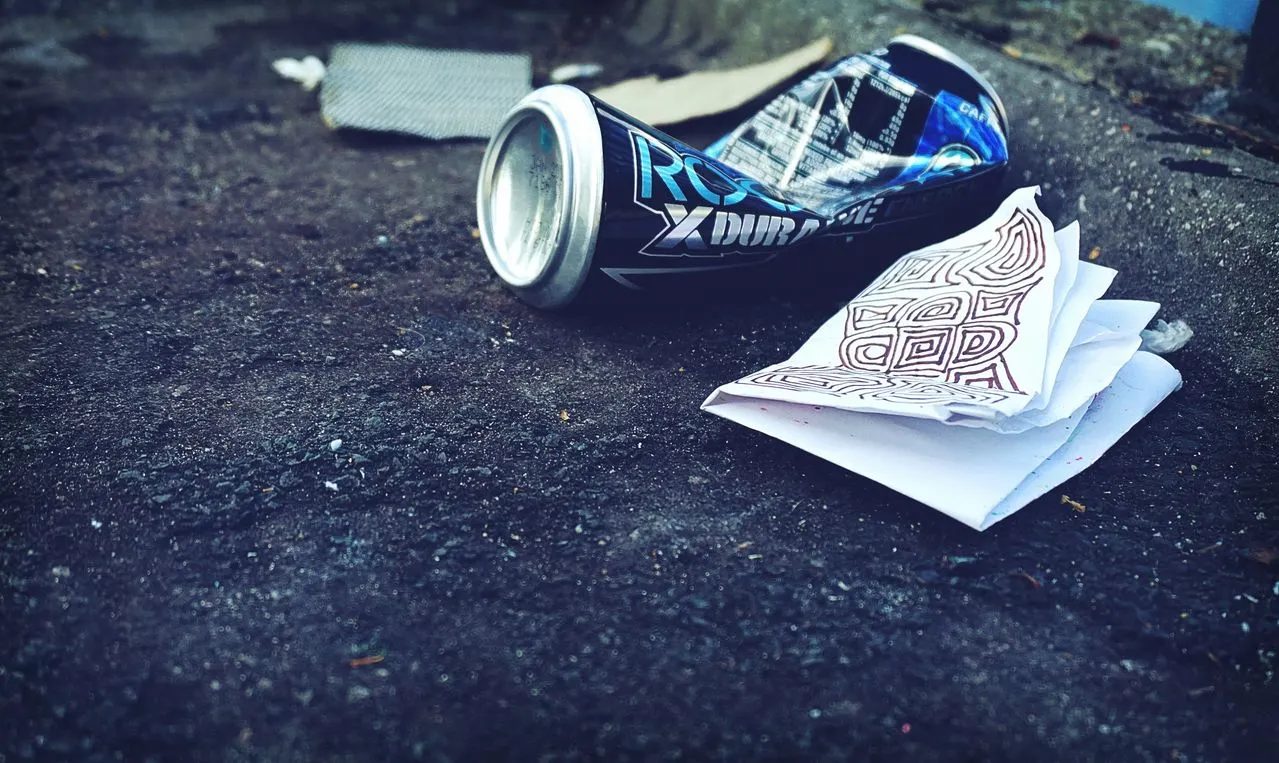
Switzerland is introducing a standardised 250-franc penalty for littering, replacing a patchwork of local rules and formalising the country's strict approach to waste management.
The Swiss Federal Council is moving to standardise penalties for waste offences, introducing a nationwide maximum fine of 250 francs that takes effect on August 1. The legislation is meant to “standardise nationally the fines for littering and the illegal disposal of large quantities of urban waste.” Currently, punishment for discarding rubbish improperly falls to individual municipalities, resulting in a patchwork of penalties that typically start at 100 francs but vary widely based on local ordinances and the volume of the waste.
The move reaffirms a long-standing federal directive that “waste should be limited to the bare minimum and, when this is impossible, recycling should be used.” In practice, this philosophy requires residents to navigate a rigorous and time-consuming sorting process. Communities provide designated containers for distinct categories of waste, including paper, cardboard, glass, plastic, textiles, batteries, coffee capsules, metal, and garden waste. Under no circumstances can these materials be mixed.
Failure to comply with these exacting standards carries immediate financial consequences. Throwing PET bottles into a bin meant for tin cans, using unapproved garbage bags, or putting out waste on the wrong day currently results in heavy fines dictated by the local commune. The enforcement of these rules falls to municipal employees, a group colloquially known as "garbage police" or "trash detectives," who randomly open and inspect the contents of household garbage bags to look for illegal trash.
For the Swiss public, the new law removes geographical uncertainty regarding the financial risk of improper waste disposal. By establishing a clear, national ceiling of 250 francs—determined by the type and quantity of the waste—the Federal Council is harmonising the cost of non-compliance across all communes. Offenders caught by municipal inspectors will continue to be identified and fined by mail, but the maximum penalty they face will now be consistent regardless of where the offence occurs. A number of ‘garbage criminals’ have already been identified through these methods in recent years.