Coordinated bot network spreads fake Zelenskyy death claim
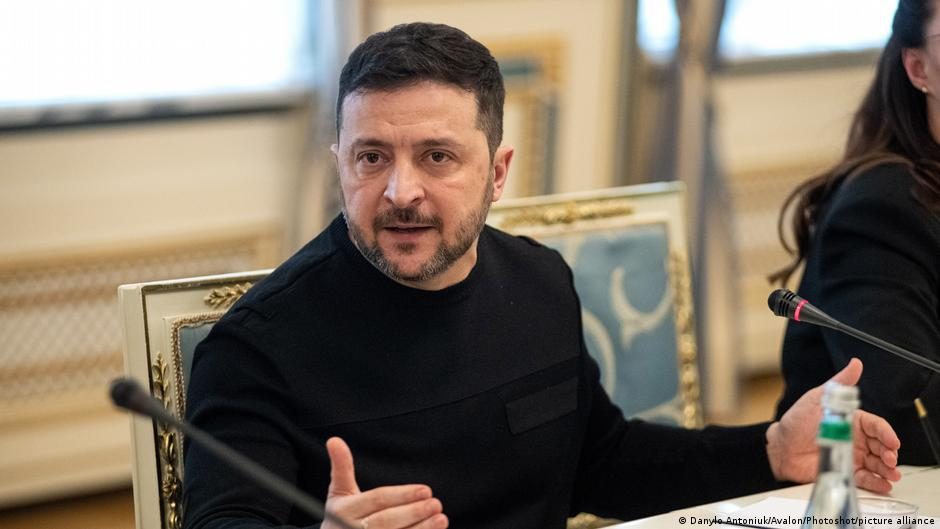
A viral claim that Ukrainian President Volodymyr Zelenskyy was killed by a Russian airstrike has been debunked as a coordinated bot campaign, highlighting how disinformation targets the European information environment during periods of military escalation.
A viral social media claim that Ukrainian President Volodymyr Zelenskyy was killed in a Russian airstrike is false. The rumor, which accumulated 2.7 million views in a single post on June 20, was debunked after Zelenskyy met publicly with Mathias Cormann, the secretary-general of the Organization for Economic Cooperation and Development (OECD), on Tuesday.
The fabricated post relied on recycled footage from an unrelated disaster. A reverse image search confirmed the attached 15-second video showed the 2015 Tianjin warehouse explosion in China, which killed 173 people. Furthermore, major Ukrainian news outlets, including the Kyiv Independent and Ukrainska Pravda, reported nothing on the alleged strike.
The spread of the rumor points to a coordinated bot network rather than organic sharing. At least 30 near-identical posts used the same footage, with roughly half capitalizing the phrase "RUSSIAN AERIAL ATTACK." A dozen accounts reproduced the exact same typo: "Zelensky has died.!"
The accounts involved use deceptive names like "Russian Army," "China HD," and "Israel Defense," pairing state flags with avatars to feign legitimacy. According to Pablo Maristany de las Casas, an analyst at the Institute for Strategic Dialogue Germany, these accounts share a specific aesthetic meant to mimic official state or military channels.
This incident fits a broader pattern of AI-boosted disinformation targeting global leaders. Maristany de las Casas noted a rise in fake claims regarding the arrest or death of politicians since the capture of Venezuelan leader Nicolas Maduro earlier this year. Similar false rumors targeted Israeli Prime Minister Benjamin Netanyahu in March. In 2022, US cybersecurity firm Mandiant identified a pro-Russia information campaign falsely claiming Zelenskyy had committed suicide.
These campaigns are typically triggered by actual geopolitical events. The latest fake assassination claim surfaced the day after Ukraine destroyed a Russian oil depot in Crimea. A similar rumor earlier in June followed Zelenskyy's public letter to Vladimir Putin requesting a face-to-face meeting. "These types of posts can elicit an emotional response in audiences that can be quite a powerful medium for actors looking to spread this information and manipulate the information environment online," said Maristany de las Casas.