European transport and infrastructure buckle as 380 million swelter
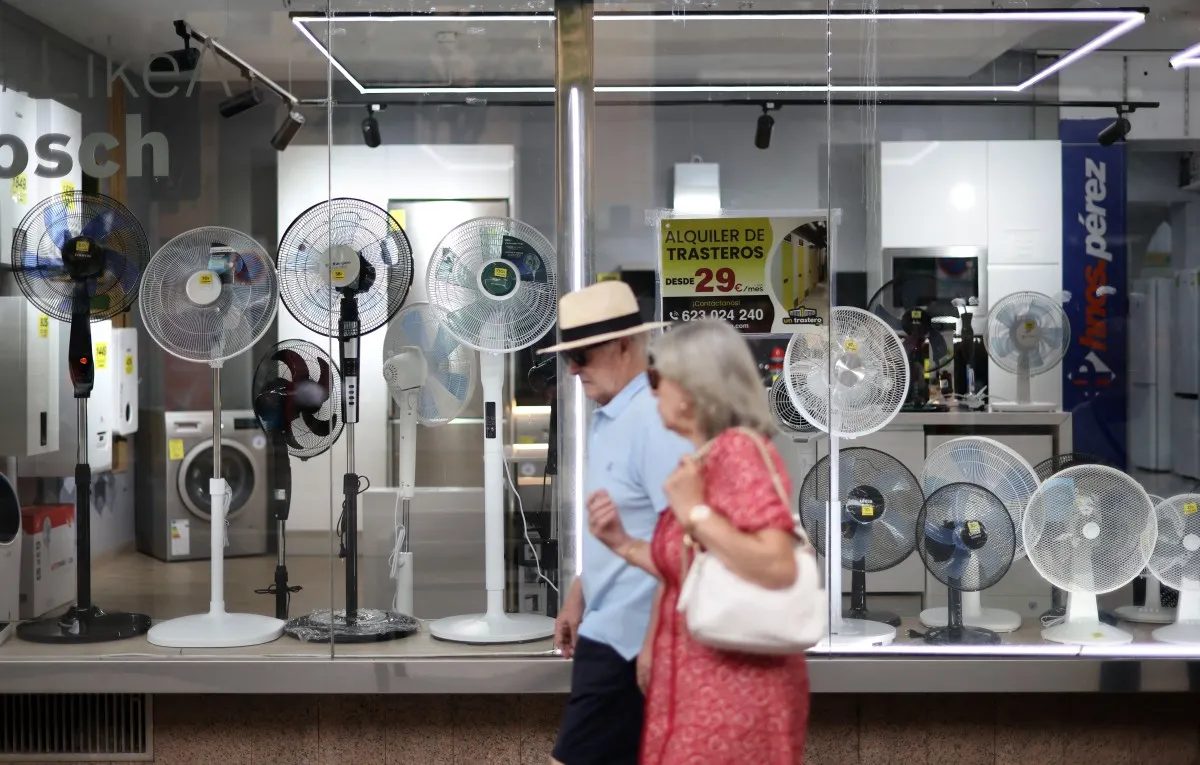
A severe heatwave is exposing the dangerous inadequacy of Europe's urban infrastructure and transport networks as extreme temperatures disrupt travel and claim lives.
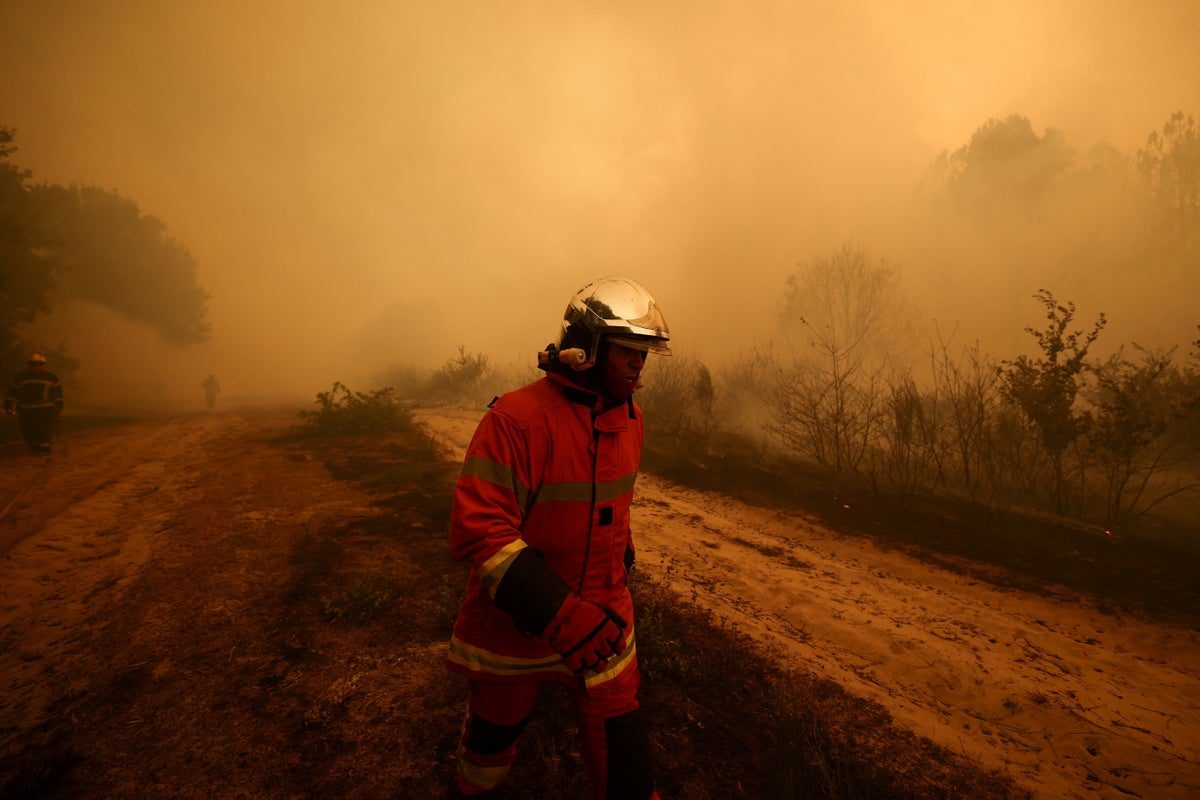
Rail operator Deutsche Bahn has advised customers to halt travel as a dangerous heatwave brought temperatures above 30C to more than 380 million Europeans. The warning, driven by wildfire and storm risks, came as extreme heat forced the cancellation of outdoor events across Germany and pushed public infrastructure to its limits.
The vast scale of the weather event was highlighted by AFP calculations using German weather service forecasts and 2025 European Joint Research Centre population projections. While the heat is expected to ease in western Europe from Friday, red alerts are now in place for eastern Europe as the system moves inland.
The disruption has laid bare how poorly adapted European cities are to sustained high temperatures. In Paris, where temperatures topped 40C on Wednesday, authorities opened the Canal Saint-Martin for swimming while dozens of people slept in parks to escape overheated apartments. "It's better to be here than indoors," said 26-year-old Maissame Decosse, resting in a hammock at Buttes-Chaumont park.
The lack of adaptive infrastructure proved even more acute elsewhere. In Brussels, where temperatures neared 40C, residents struggled with a severe shortage of public swimming facilities. "It's honestly a joke for a city like Brussels with more than a million residents," said Paul Steinbruck, co-founder of the Pool is Cool organisation.
The human cost is already mounting. Spain's MoMo monitoring system linked 212 deaths to the heat between Sunday and Wednesday. In France, three deaths in Pas-de-Calais were likely caused by the heat, while a three-year-old boy died after becoming trapped in a family car in the Paris suburbs. Two other children died in similar circumstances this week.
The strain on care systems is a growing concern for public health. At the Kingsley Court Care Home in Hayes, staff moved dementia patients to shaded gardens to prevent dehydration. "When they've got dementia, they forget to ask about whether they feel thirsty," said manager Shiny Mathappan. The UK Met Office has issued a red warning for London until Friday night, with forecasts of 37-38C threatening a new June record.
Scientists attribute the severity of the crisis to a "heat dome" of trapped air from north Africa. "While heat domes are a natural weather phenomenon, anthropogenic climate change is making heatwaves more severe and more likely to reach record-breaking temperatures," said Samantha Burgess, deputy director of the EU's Copernicus Climate Change Service.
UN climate chief Simon Stiell noted that buildings and infrastructure unsuited to such temperatures are compounding the crisis. "It's the latest price to pay for fossil fuel pollution baking our planet," he said. "Until humanity stops burning colossal amounts of coal, oil and gas, extreme heat will keep getting worse."