June heatwave shuts French reactors, disrupts European travel
Unprecedented June temperatures are forcing French nuclear plants offline, halting rail networks and triggering a public health crisis that exposes the continent's economic vulnerability to climate change.
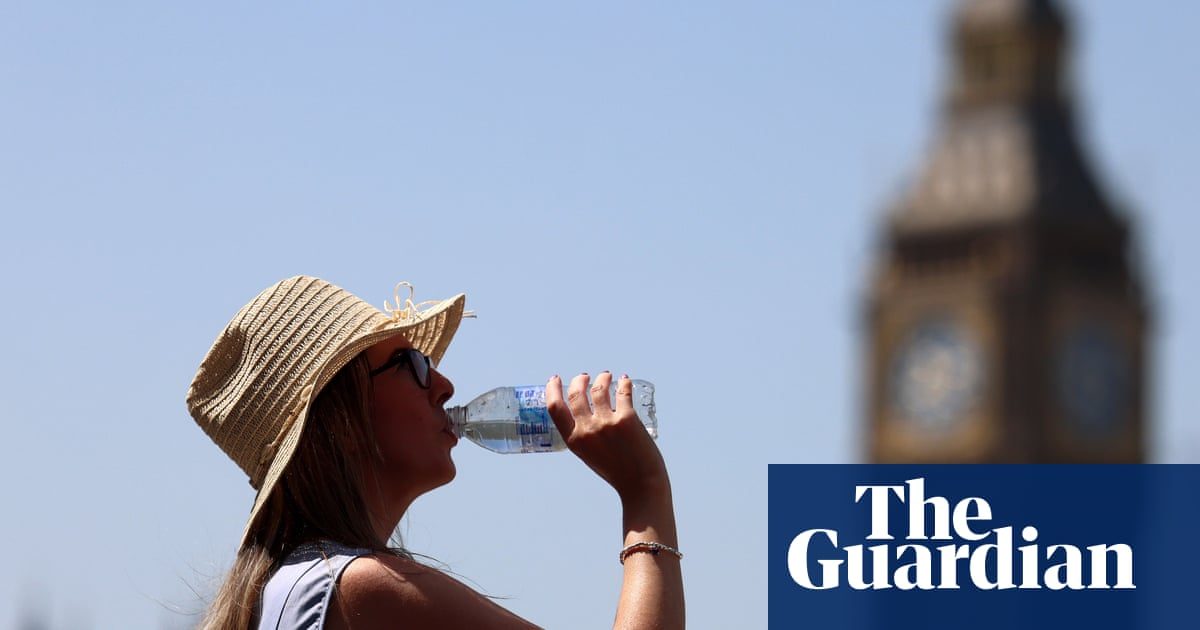
Western Europe is experiencing unprecedented June temperatures, with the UK reaching a provisional high of 36.7C and Switzerland hitting 38C, breaking records set decades ago. An estimated 101 million people faced temperatures above 35C on Thursday as the heatwave stretched across the continent.
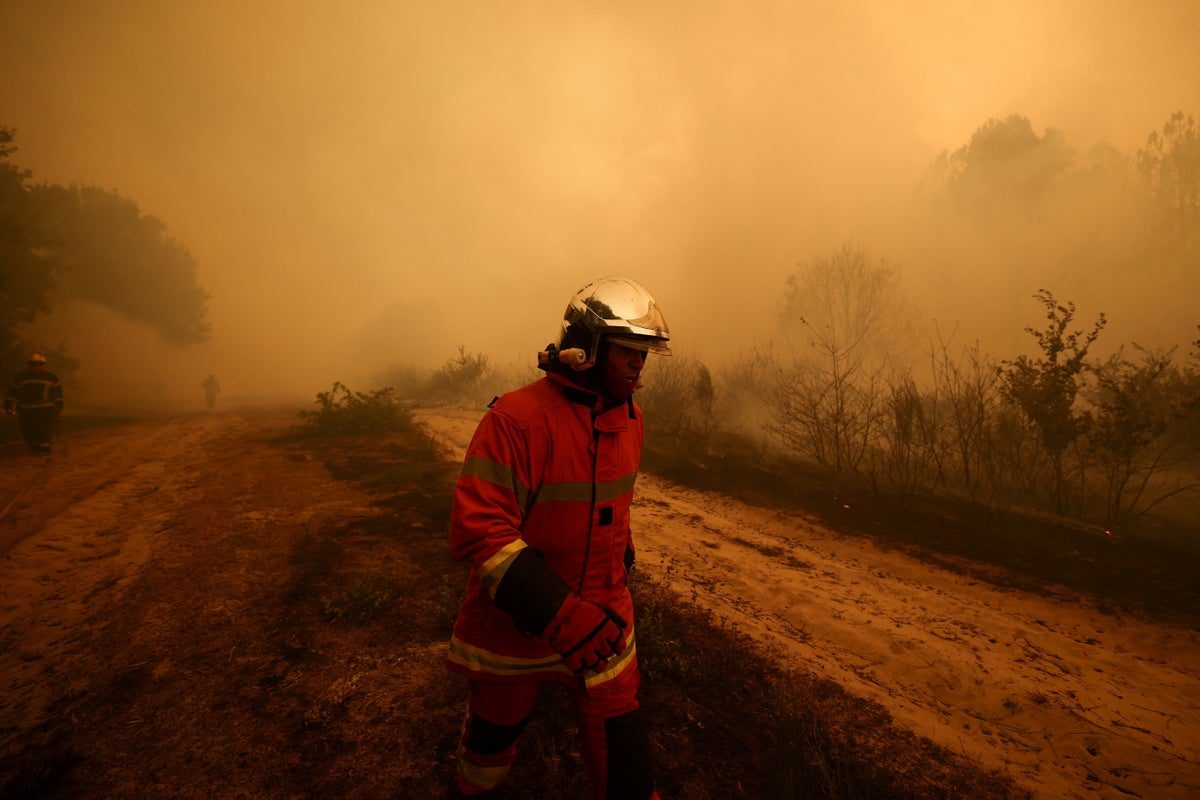
French authorities shut down three nuclear reactors this week as surrounding cooling waters became too hot, with three-quarters of the country placed under an extreme heat alert. Paris mayor Emmanuel Grégoire reported an "increase in mortality" and stated that "pretty much all our indicators are in a critical state," citing surging hospital admissions. The health ministry reported 25 cardiac arrests in Paris over 24 hours on Wednesday, compared to a usual average of fewer than 10.
Spain also saw its highest daily average June temperatures since 1950, with public health estimates suggesting 212 heat-related deaths between Sunday and Wednesday.
Transport networks and utilities are similarly strained. Germany’s national rail operator, Deutsche Bahn, warned customers against travel due to the high risk of disruption from wildfires and storms, while UK rail journeys were cancelled. South East Water implemented a hosepipe ban affecting 850,000 customers in Kent, placing surrounding counties on red alert as demand surged.
The disruption to daily economic life is widespread. Italian courts in Palermo suspended all non-urgent hearings due to malfunctioning air conditioning, while UK schools closed and the National Education Union demanded a timetable to install cooling systems. Emergency services in London faced extreme pressure, handling a record 642 Category 1 ambulance calls on Wednesday alone.
These failures expose the fragility of European infrastructure. Research published in 2025 showed four-fifths of UK residences now suffer from overheating, a fourfold increase over the last ten years. London mayor Sadiq Khan launched the city’s first heat plan on Thursday, stating that "extreme temperatures are no longer a future threat, they are a present danger."
Scientists estimate the current temperatures are 2C to 4C higher due to carbon pollution. Simon Stiell, the UN’s climate chief, warned that "economies sweating" is the climate crisis in practice. "Extreme heat will keep getting worse, and other climate impacts... will keep hammering every economy and population harder each year," Stiell said. "But the solutions are equally clear: a faster shift to renewables – which are now much cheaper than fossil fuels... There’s no time to lose."
The UK parliament voted on Wednesday to set a legally binding target of an 87% cut in emissions by 2040, a move prompted by warnings that the country's infrastructure was "built for a climate that no longer exists".