Cyberattack pushed French blood bank freezers to extreme temperatures
Hackers took control of cold rooms holding blood plasma at three sites of France’s national blood service. They pushed the temperature settings to extreme levels. Yet, alarms caught the change before any plasma or samples were damaged, the Établissement français du sang (EFS) said on Tuesday. The EFS itself was not the target, it said. […] This story continues at The Next Web
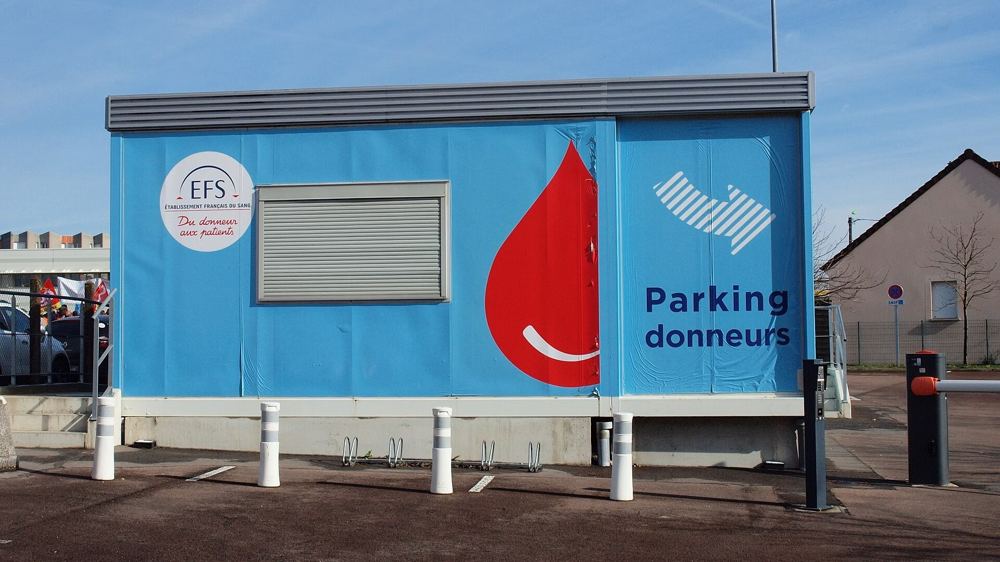
Hackers took control of cold rooms holding blood plasma at three sites of France’s national blood service. They pushed the temperature settings to extreme levels. Yet, alarms caught the change before any plasma or samples were damaged, the Établissement français du sang (EFS) said on Tuesday.
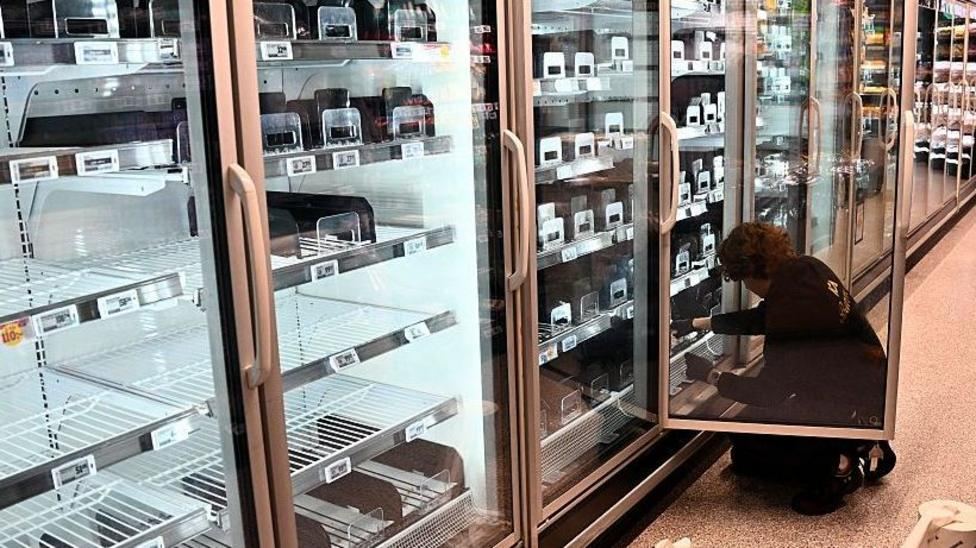
The EFS itself was not the target, it said. The attack hit one of its refrigeration suppliers on Monday, November 2, and reached the systems that monitor and control the supplier’s cold rooms.
Through them, the attackers raised the temperature and defrosting thresholds to very high levels. The rooms held bags of plasma for transfusions, plasma bound for making medicines, and samples kept for the service’s biobanks.
Staff moved fast once the alarms went off. Depending on the site, the equipment was either brought back under control or shut down, and the plasma was moved elsewhere as a precaution.
“No health impact has been identified and no blood products have been lost,” the EFS said. Blood collection and deliveries to hospitals are carrying on as normal, the service added.
Satirical weekly Le Canard enchaîné reported further details , naming the supplier as Coolworld and saying temperatures in the rooms rose to 110°C. The EFS has not named the supplier or given a figure.
An EFS official told ICI , Radio France’s local network, that readings reached 110°C and even 150°C, but that no samples were altered. Plasma is normally stored at around -25°C.
France’s cybersecurity agency ANSSI and the Ministry of Health are working with the EFS on the incident. The service said it has stepped up monitoring of temperatures across all its equipment.
Nobody has claimed the attack, and it is not yet clear how the attackers got in or how many devices were hit.
In the last weeks, remote takeovers of fridges and freezers have hit supermarkets in at least six EU countries in recent days, prompting the European Commission to review retailers’ defences . While, in the US, the Pentagon is investigating freezer failures at military bases as a suspected cyberattack.