Europeans to join Russia-Ukraine talks in Abu Dhabi, says French FM Barrot
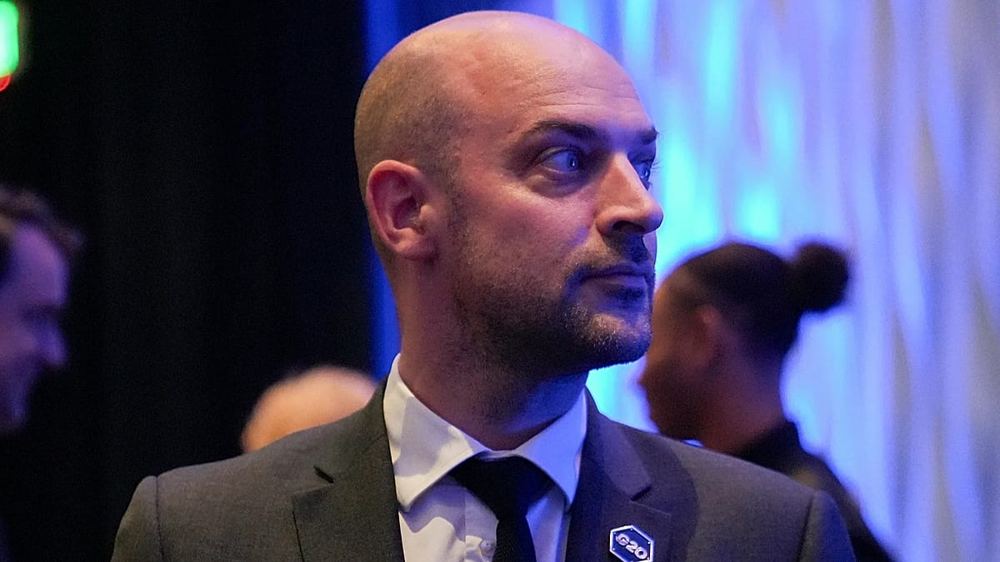
"No one will speak in our name", French Foreign Minister Jean-Noël Barrot says, adding that Europeans will join next week's Russia-Ukraine talks. He also accused hard left presidential candidate Jean-Luc Mélenchon of echoing Kremlin propaganda.
European countries, including France, will be involved in the talks between Russians and Ukrainians due to open on Tuesday in Abu Dhabi under US mediation, the French foreign minister has announced on RTL and Public Sénat.
"The Europeans will be well represented and France will be in Abu Dhabi to take part in these talks", Jean-Noël Barrot said, specifying that he would not personally be at the negotiating table.
"I cannot yet tell you who will represent France on this occasion, but it will definitely be there", he added.
"In recent weeks Europeans have made themselves heard. They have explained to the American mediators that no discussion concerning the future of this continent can ignore our expectations and our demands", he said.
After meeting the Russian envoy Kirill Dmitriev on Thursday, Donald Trump predicted, in front of the press, the imminent conclusion of a "major agreement" with Russia on Ukraine which, according to him, "could cover all of Europe" and "everyone will be delighted with", without providing any further details.
Jean-Noël Barrot said on Sunday that he did not know what the US president had in mind, stressing that no agreement with "consequences for the European security architecture" could be "designed, or even discussed" without the Europeans.
Until now, the talks scheduled for 10 and 11 November had been presented as trilateral negotiations bringing together Ukrainian, Russian and American officials. However, Ukrainian president Volodymyr Zelensky had clearly expressed his wish for Kyiv's European allies to be involved.
Asked about the positions taken by Jean-Luc Mélenchon on a settlement of the war in Ukraine, during his rally at Le Bourget the previous day, Jean-Noël Barrot described the leader of hard left La France Insoumise as a "mouthpiece of the Kremlin".
While the LFI programme, "L'Avenir en commun", unveiled this week, devotes little space to the war in Ukraine, unlike the Israeli-Palestinian conflict, Jean-Luc Mélenchon advocated holding a referendum on the status of the Donbass, largely occupied by the Russian army, stating that "it is for the people to decide".
"We do not accept the idea of peace involving territorial concessions in Ukraine without asking the populations concerned whether they agree to find themselves on this side of the border or the other", he told thousands of supporters.
Moscow has already staged sham consultations in annexed Crimea and in the four regions of south-eastern Ukraine it partially controls, procedures rejected by Kyiv and the international community.
"All over the world the Kremlin is trying to convince heads of state and government that, basically, the Donbass is Russian and that the war of aggression is a war to liberate the Donbass", Jean-Noël Barrot said. "This is obviously of unprecedented seriousness and, in my view, definitively disqualifies him [Mélenchon] from holding the offices he aspires to", he added.
The war in Ukraine has already been a source of controversy in the 2027 presidential campaign, where Marine Le Pen, well ahead in the polls, and Jean-Luc Mélenchon, currently in second place, have taken positions seen as favourable to Putin.
The far-right candidate said in mid-October that she would end French financial aid to Ukraine , which she estimates to be 6 billion euros a year, if she were to win the 2027 presidential election.
Ukrainian President Volodymyr Zelenskyy then responded that "Madame Le Pen does not have a very good grasp of certain details" of French-Ukrainian military cooperation, defending a "win-win" partnership that he said was also beneficial to France's security.