Is Your Sodium Intake Impacting Your Hiking Performance? A Dietitian Explains Why It Matters.
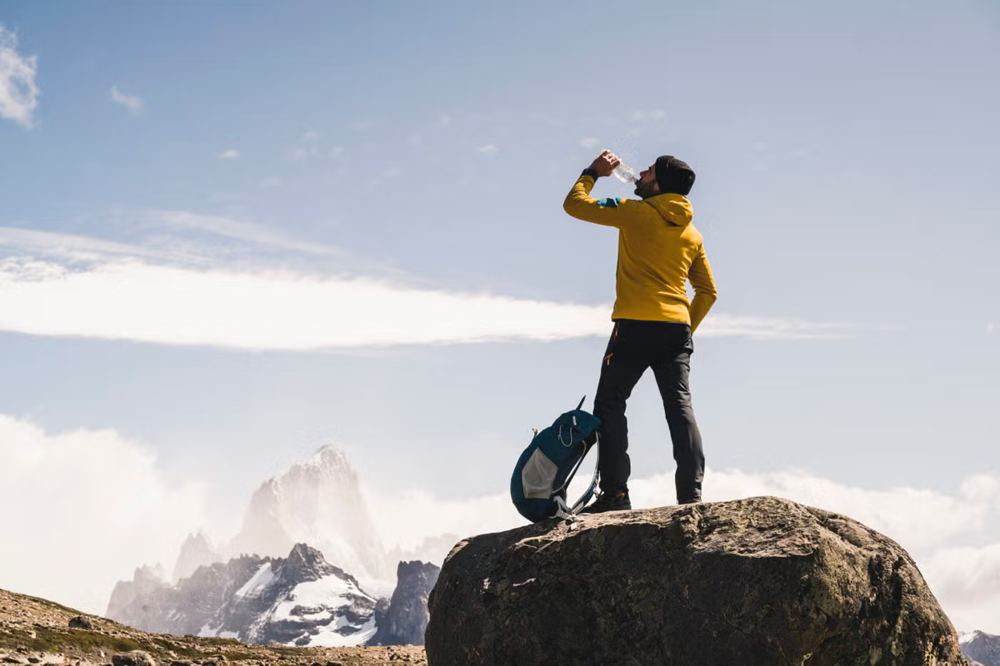
Interpreting sodium levels in your backpacking food can feel like an enigma. Here's how to make sure you're getting the right amount. The post Is Your Sodium Intake Impacting Your Hiking Performance? A Dietitian Explains Why It Matters. appeared first on Outside Online .
Take a look at the nutrition label on a freeze-dried backpacking meal , and you might be surprised by how much sodium it contains. Some meals pack more than 1,500 mg into a single pouch, roughly two-thirds of the recommended daily limit of 2,300 mg for most adults . That’s a lot for one dinner, but when you’re spending hours sweating your way up steep climbs, you’re also losing sodium along with water.
Sodium helps regulate fluid balance and supports normal nerve and muscle function. Yet there’s a contradiction in how you might think about it on the trail: you question the sodium in your freeze-dried dinner while adding electrolyte powder to your water bottle and snacking on pretzels, jerky, and cheese.
So, are you consuming too much sodium or not enough? The answer depends on what’s already in your food, how much you’re sweating, and how you’re replacing fluids.
You can pack nearly identical amounts of food and end up with dramatically different sodium intakes. I compared two realistic days of backpacking food, each containing commercial meals, protein bars , snacks, and other familiar trail staples. Both provide roughly 3,150 calories and weigh about 23 ounces dry, yet one contains 5,465 mg of sodium while the other contains just 1,975 mg.
That’s nearly 3,500 mg of difference before you add a single electrolyte packet. Some of the variation comes down to individual products: Mountain House Beef Lasagna contains 1,180 mg of sodium, compared with 340 mg in Good To-Go Pad Thai. Even switching pretzel flavors or protein bar brands can make a noticeable difference. Neither food bag is automatically better , but the comparison shows why it’s worth checking what you’re already carrying before deciding to supplement.
Health experts recommend limiting sodium for a reason. Consistently consuming more than your body needs can raise blood pressure, increasing your risk of heart disease and stroke over time. A particularly salty meal can also leave you thirsty or temporarily bloated as your body regulates its fluid balance. If you’ve been advised to limit sodium because of high blood pressure, kidney disease, or another medical condition, those recommendations still matter when you’re backpacking.
But eating a high-sodium diet day after day isn’t necessarily the same as eating salty meals during a strenuous backpacking trip. When you’re sweating heavily, you lose sodium you wouldn’t lose while sitting at a desk. That doesn’t mean every milligram of sodium in your food is necessary, or that you should add electrolytes without thinking about what you’re already eating. It simply means your activity and conditions matter when interpreting those numbers on the label.
Even if you’re hiking alongside someone on the same trail, you may be losing very different amounts of sodium. Sweat losses depend on two things: how much you sweat and how concentrated that sweat is. Research has found sweat sodium concentrations ranging from roughly 230 to 1,600 mg per liter. Temperature, exertion, clothing, heat acclimatization, and individual physiology all affect your losses, which means mileage alone tells you very little about how much sodium you’ve lost.
Here’s another wrinkle: losing 800 mg of sodium through sweat doesn’t automatically mean you need to consume 800 mg to replace it. Your body regulates sodium and water balance, and research suggests targeted sodium replacement matters more under certain combinations of prolonged exercise, substantial sweat losses, and fluid replacement. That’s why taking an electrolyte packet every hour isn’t necessarily appropriate. A packet doesn’t account for how much you’re sweating, how much you’re drinking, or how much sodium you’re getting from food.
Sodium doesn’t have to come from an electrolyte supplement to count. Salty snacks, meals, and electrolyte drinks all contribute to your intake, although when you consume that sodium can matter during long, sweaty days. Imagine spending ten hours hiking in warm weather, sweating heavily and drinking water but eating very little. At camp, you prepare a freeze-dried dinner containing 1,500 mg of sodium. That sodium helps replace losses and retain fluids during recovery, but it wasn’t available during the preceding hours of hiking.
Eating salty snacks throughout a prolonged, sweaty hike provides some sodium along the way instead of waiting until dinner. That doesn’t mean you need electrolyte powder in every water bottle. If you’re regularly eating pretzels, cheese, jerky, or other salty foods, you’re already consuming sodium during the day. On the other hand, if your trail menu contains relatively little sodium or you struggle to eat while hiking, an electrolyte drink may be a convenient alternative. What matters isn’t whether the sodium comes from a packet or a snack, but whether you’re adding something your food isn’t already providing.
It’s easy to assume that replacing the sodium you lose through sweat will protect you from exercise-associated hyponatremia (EAH), a potentially dangerous drop in blood sodium. But according to the Wilderness Medical Society, most cases occur primarily because you drink too much fluid relative to your losses, often combined with your body’s tendency to retain water during prolonged exercise. Sweat sodium losses can contribute under some circumstances, but taking electrolyte supplements won’t prevent hyponatremia if you’re overdrinking.
The guidelines recommend avoiding overdrinking, generally by drinking according to thirst or using fluid needs you’ve estimated from experience in similar conditions. They also recommend having salty foods or drinks available during long, hot activities. Headaches, fatigue, nausea, and muscle cramps aren’t reliable indicators that you need more sodium because they can have several causes. If you or a hiking partner develops worsening confusion, repeated vomiting, seizures, or collapses during or after prolonged exertion, seek urgent medical help rather than assuming more water or electrolytes will solve the problem.
There’s no simple answer. Your sweat losses vary with the conditions and your individual physiology. Even knowing exactly how much sodium you lose wouldn’t tell you how much to replace. For context, 1,500 mg per day is considered an adequate intake for most adults under ordinary conditions, while 2,300 mg is the general recommended daily limit. Neither is a backpacking-specific target. A food bag containing 5,465 mg isn’t automatically excessive for a strenuous hiking day, just as one containing 1,975 mg isn’t necessarily inadequate. And since research hasn’t consistently shown that extra sodium improves endurance performance, there’s little reason to chase a precise replacement target.
The bottom line? Hike your own hike. If you’re curious about your sodium intake, track what you eat and drink, the conditions you’re hiking in, and how you feel during and afterward. You might notice patterns that help you plan future trips, without getting caught up in replacing every milligram of sodium you sweat out.