Nuclear weapons, the elephant in the room in Ukraine peace talks
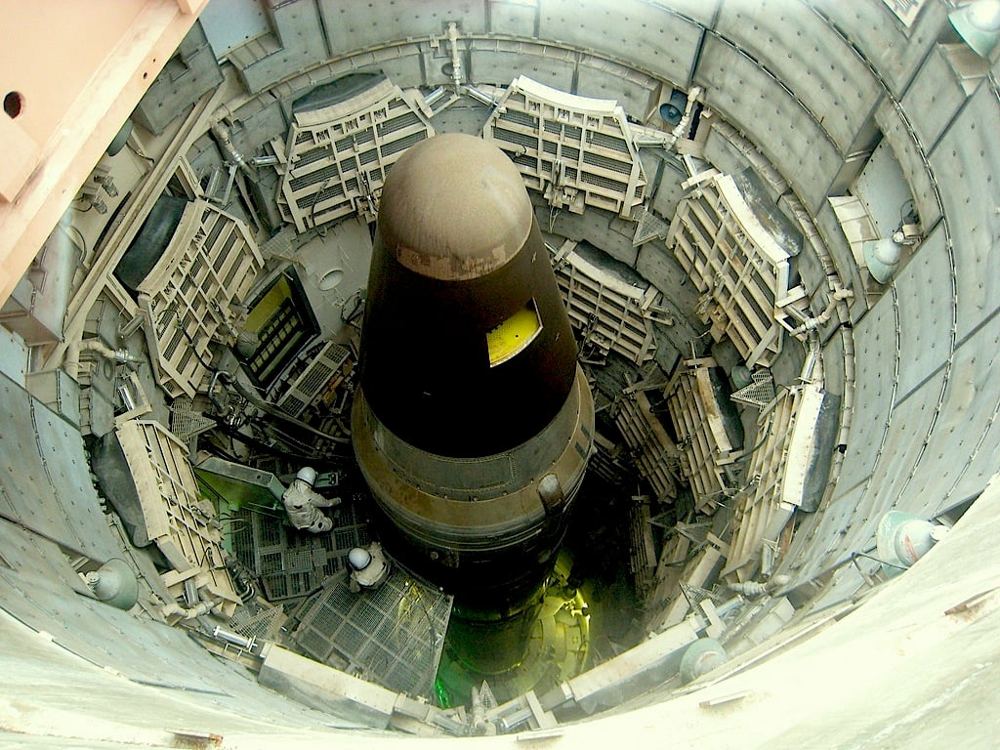
Since February 2022, president Vladimir Putin has used tacit and overt nuclear threats to try to achieve tactical advantage in the full-scale invasion of Ukraine. And now there are no guardrails. For almost a year, the United States and Russia have had no binding limits on their strategic arsenals.
American, Ukrainian and Russian negotiators have restarted peace talks with a limited agreement to swap prisoners of war.
But Jared Kushner, president Donald Trump’s envoy, says Washington is working on “a broader European security architecture” built on five goals: permanent security consultations, reliable crisis communications, greater military transparency, reciprocal measures to reduce escalation risks, and an enduring framework for long-term stability.
Russian foreign minister, Sergei Lavrov, agrees, calling for a wider European security arrangement before a deal to end the Ukraine war.
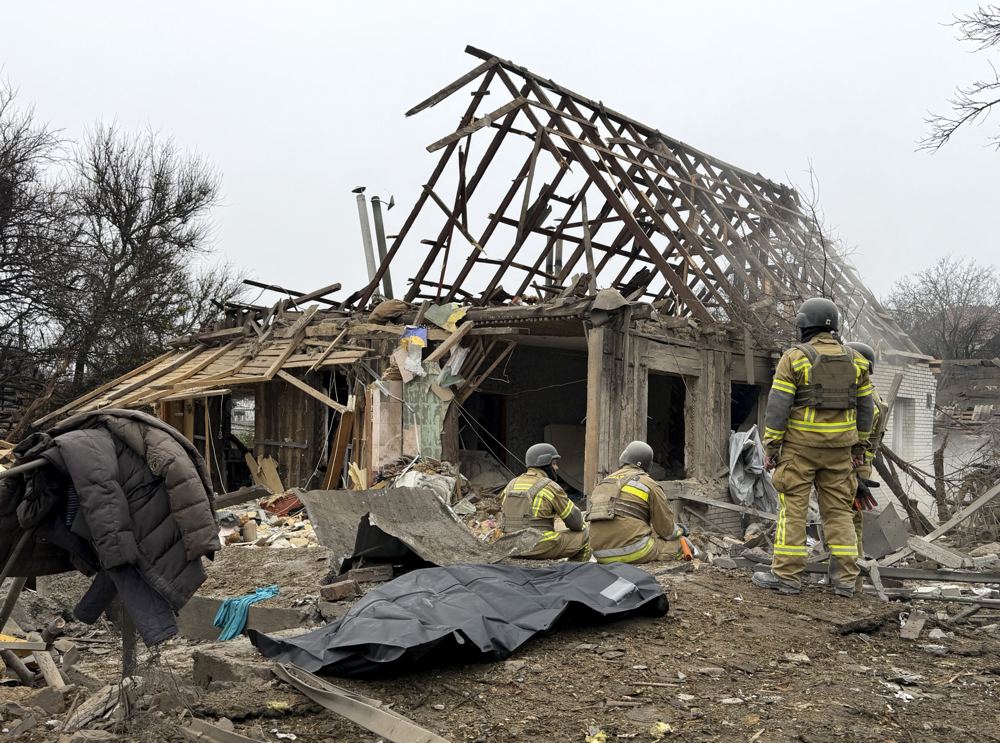
The future security of a continent is being discussed with a government that is still bombarding Ukrainian cities every night. European governments are trying to insert themselves into the talks and seemingly now have US backing.
If a new order for Europe is being drawn up, Europeans should insist on writing into it the one word absent on Kushner’s list: nuclear.
It is a striking omission, because every one of his five goals is at heart a nuclear question.
Crisis communication, transparency and escalation risk matter so much precisely because this war is being fought, and tensions with Moscow are increasing, in the shadow of the bomb.
The gravest danger of the past five years has never been confined to the front line in Ukraine. It is that a nuclear-armed state has used the threat of mass destruction to try to keep others from coming to the aid of its victims.
Since February 2022, president Vladimir Putin has used tacit and overt nuclear threats to try to achieve tactical advantage in the full-scale invasion of Ukraine.
And now there are no guardrails. For almost a year, the United States and Russia have had no binding limits on their strategic arsenals.
This war shows what it actually does. Russia felt emboldened by its nuclear arsenal to launch a full-scale invasion. Its nuclear weapons were not a shield against aggression. They were the arms holding the spear.
Nuclear deterrence is a contest over who is more believably prepared to kill millions. A system that pays out to whoever appears most reckless is not a source of stability. It is an incentive to aggression. A path to disaster.
Europe's current response risks mirroring the logic it fears.
In March, president Emmanuel Macron announced the first increase in France's nuclear arsenal in more than three decades and launched a still undefined "forward deterrence" concept.
Macron has also had himself photographed watching the test launch of a ballistic missile from a submarine accompanied with bellicose rhetoric, eliciting satirical comparisons with the North Korean leader Kim Jong Un.
The fear behind these moves is understandable. But they accept Moscow's rules of the game: a competition in conveying a credible threat of assured destruction that nobody wins, and in which the risk of miscalculation only grows.
More nuclear weapons in more places is not a security architecture. It is a shorter fuse on the same bomb, and the continent seems willing to hand Vladimir Putin a match
If Washington wants to talk about European security, Europe should answer with concrete nuclear demands:
First, declare nuclear threats inadmissible. In 2022, G20 leaders, following the lead of states that have joined the UN Treaty on the Prohibition of Nuclear Weapons, agreed that the use or threat of use of nuclear weapons is inadmissible. Any framework for European security should turn that principle into a binding commitment, with consequences for breaking it.
Second, Europe can no longer host the nuclear chessboard of Russia and the US. Russian weapons in Belarus should be removed; as should the US weapons in six European countries.
After that, interim verified limits to nuclear weapons must be agreed. Greater military transparency must mean warhead numbers and inspections, not just notifications of exercises.
Finally, the elimination of nuclear weapons must be anchored in law that already exists. The Treaty on the Prohibition of Nuclear Weapons , already signed or ratified by a global majority, bans not only the use and possession of nuclear weapons but also the threat to use them.
In three weeks, countries meet at the UN for the treaty's first review conference. European governments that want a security order resistant to blackmail should be in the room, at the very least as observers.
Moscow and Washington cannot dictate Europe's future. Neither should nuclear threats, whoever makes them. A peace that leaves the bomb as the final arbiter of borders is not a lasting peace. It is a pause before the next blackmail attempt.
Florian Eblenkamp is advocacy coordinator at the International Campaign to Abolish Nuclear Weapons (ICAN), recipient of the 2017 Nobel Peace Prize.