Inka Tiitto, the world champion Who dances through air
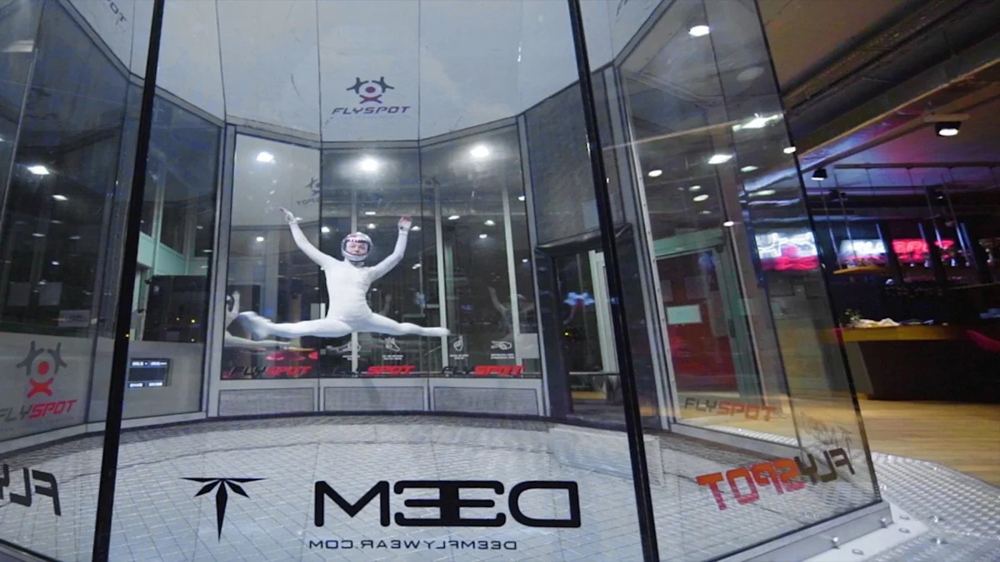
Inka Tiitto combines dance and indoor skydiving to create a new form of aerial performance.
Inka Tiitto combines dance and indoor skydiving to create a new form of aerial performance.
Inka Tiitto has always used movement as her way of expressing emotions, creativity, and individuality. From a young age, she discovered that her feelings were reflected through her body language. Whether she was excited, angry, or happy, her movements revealed what she was experiencing inside. This natural connection between emotion and physical expression eventually led her to discover a completely new form of artistic movement: indoor skydiving. Inka began dancing when she was only three years old, and for many years dance was her greatest passion. She dedicated herself to learning different movements, improving her skills, and understanding how the body could communicate without words. However, when she discovered indoor skydiving, she found something that challenged her in a completely different way. For Inka, flying inside a vertical wind tunnel was not just a sport. It was like discovering a new kind of dance floor. Instead of moving across the ground, she learned to control her body while floating in powerful airflow. This combination of strength, creativity, and movement immediately attracted her, and she realized that flying could become another form of artistic expression. Inka Tiitto became a world champion indoor skydiver, competing in the freestyle discipline. Freestyle focuses on performing complex movements, rotations, and body positions while maintaining control in the wind tunnel. However, Inka prefers to describe her work as air dancing because she believes flying is about more than competition. For her, it is about exploring new possibilities and creating something unique through movement. She hopes to help transform indoor skydiving from simply a competitive sport into a form of performing art. By combining elements of dance, athleticism, and creativity, she wants audiences to see flying as a way of storytelling and artistic expression. Just like traditional dancers use music and stages, air dancers use wind, movement, and space to create performances. Although flying may appear effortless when watching professionals, it requires incredible physical ability. Wind speeds inside the tunnel can reach up to 180 miles per hour, meaning athletes must have exceptional strength, flexibility, balance, and body awareness. Every movement requires precise control because even a small change in position can completely alter the direction of flight. Many of Inka’s impressive poses look simple, but they demand constant effort. For example, a split position may appear relaxed, but she must continuously push against the airflow to maintain stability and control. Every movement requires her muscles to work against powerful forces while maintaining elegance and precision. Inka also believes that success is not only about natural talent. While some people may have physical advantages when they begin, dedication and persistence are equally important. Her own journey has been built on hard work, discipline, and the willingness to keep improving. For Inka Tiitto, flying represents freedom, creativity, and endless possibilities. She has taken her passion for dance and transformed it into something entirely new, proving that movement has no limits when imagination and determination come together.
Inka Tiitto has always used movement as her way of expressing emotions, creativity, and individuality. From a young age, she discovered that her feelings were reflected through her body language. Whether she was excited, angry, or happy, her movements revealed what she was experiencing inside. This natural connection between emotion and physical expression eventually led her to discover a completely new form of artistic movement: indoor skydiving.
Inka began dancing when she was only three years old, and for many years dance was her greatest passion. She dedicated herself to learning different movements, improving her skills, and understanding how the body could communicate without words. However, when she discovered indoor skydiving, she found something that challenged her in a completely different way.
For Inka, flying inside a vertical wind tunnel was not just a sport. It was like discovering a new kind of dance floor. Instead of moving across the ground, she learned to control her body while floating in powerful airflow. This combination of strength, creativity, and movement immediately attracted her, and she realized that flying could become another form of artistic expression.
Inka Tiitto became a world champion indoor skydiver, competing in the freestyle discipline. Freestyle focuses on performing complex movements, rotations, and body positions while maintaining control in the wind tunnel. However, Inka prefers to describe her work as air dancing because she believes flying is about more than competition. For her, it is about exploring new possibilities and creating something unique through movement.
She hopes to help transform indoor skydiving from simply a competitive sport into a form of performing art. By combining elements of dance, athleticism, and creativity, she wants audiences to see flying as a way of storytelling and artistic expression. Just like traditional dancers use music and stages, air dancers use wind, movement, and space to create performances.
Although flying may appear effortless when watching professionals, it requires incredible physical ability. Wind speeds inside the tunnel can reach up to 180 miles per hour, meaning athletes must have exceptional strength, flexibility, balance, and body awareness. Every movement requires precise control because even a small change in position can completely alter the direction of flight.
Many of Inka’s impressive poses look simple, but they demand constant effort. For example, a split position may appear relaxed, but she must continuously push against the airflow to maintain stability and control. Every movement requires her muscles to work against powerful forces while maintaining elegance and precision.
Inka also believes that success is not only about natural talent. While some people may have physical advantages when they begin, dedication and persistence are equally important. Her own journey has been built on hard work, discipline, and the willingness to keep improving.
For Inka Tiitto, flying represents freedom, creativity, and endless possibilities. She has taken her passion for dance and transformed it into something entirely new, proving that movement has no limits when imagination and determination come together.