Germany faces conscription return as voluntary army drive fails
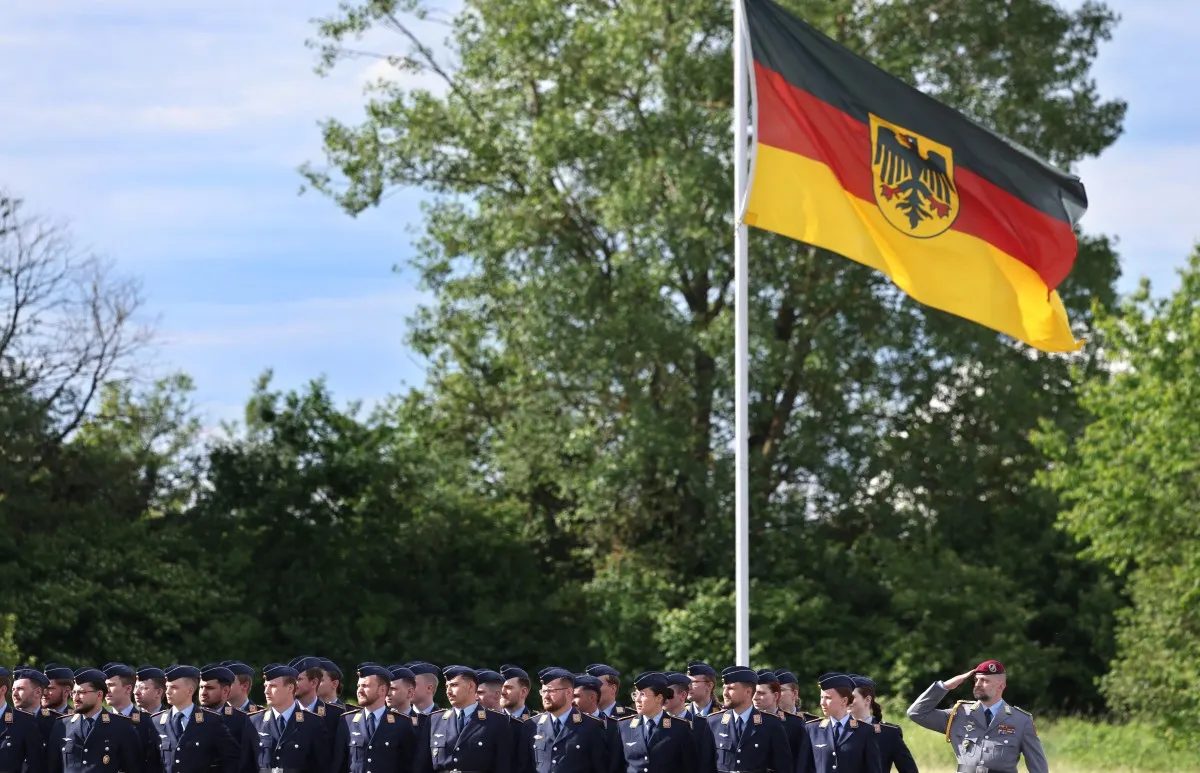
Germany's failed voluntary recruitment scheme is forcing Berlin to consider reviving military conscription by mid-2027 to meet critical defence targets amid fading US security guarantees.
Germany is poised to reintroduce military conscription by mid-2027 after a flagship voluntary recruitment drive effectively collapsed. The scheme, introduced last November alongside mandatory registration for 18-year-old men, produced just 530 new recruits between January and May despite contacting around 300,000 young people.
The stark shortfall has forced Berlin to confront the limits of a voluntary model just as it attempts to rebuild its depleted military. "We will have to return to conscription," said Thomas Roewekamp, chairman of the German parliament's defence committee. "We must take that decision by July 31 of next year."
Berlin has committed to expanding the Bundeswehr from 185,000 soldiers to at least 260,000 by 2035. A revived draft would not sweep up all 350,000 men who turn 18 annually, but would instead select the exact number needed to meet yearly growth targets. "I still have serious doubts that we can" achieve these goals on a voluntary basis, Roewekamp warned.
Industrial and economic shift
The recruitment crisis highlights a broader imperative for Europe to rearm independently of the United States, a shift with profound consequences for the continent's defence industry. Roewekamp argued that future procurement must prioritise actual military needs over national industrial champions, implicitly criticising the recent collapse of the FCAS fighter jet project over rivalry between Dassault and Airbus.
The immediate bottleneck is not just raw troop numbers, but skilled personnel required to operate expensive new hardware. "My great concern is the growth in the number of career and contracted soldiers -- because they are the ones who fly the fighter jets, navigate the ships, operate the tanks and man the Patriot air defence systems," Roewekamp said.
This push for autonomous European capability is driven by deepening scepticism towards Washington. Roewekamp cited Donald Trump's plans to reduce US troops in Europe and America's inability to reliably supply European armies amid repeated international crises. Berlin has repeatedly warned that Russia could be ready to attack a NATO country by 2029.
The domestic transition will face friction. Large demonstrations against compulsory military service have already occurred, reflecting a generational gap since the draft was suspended in 2011. Roewekamp now looks to the upcoming NATO summit in Ankara on July 7-8 to project alliance unity, arguing that dividing the defence bloc remains a central Russian war aim.