World Cup exposes Europe and US reliance on diaspora talent
As European and American national teams advance on the back of immigrant players, the North American World Cup is highlighting the inseparable link between global migration and footballing success.
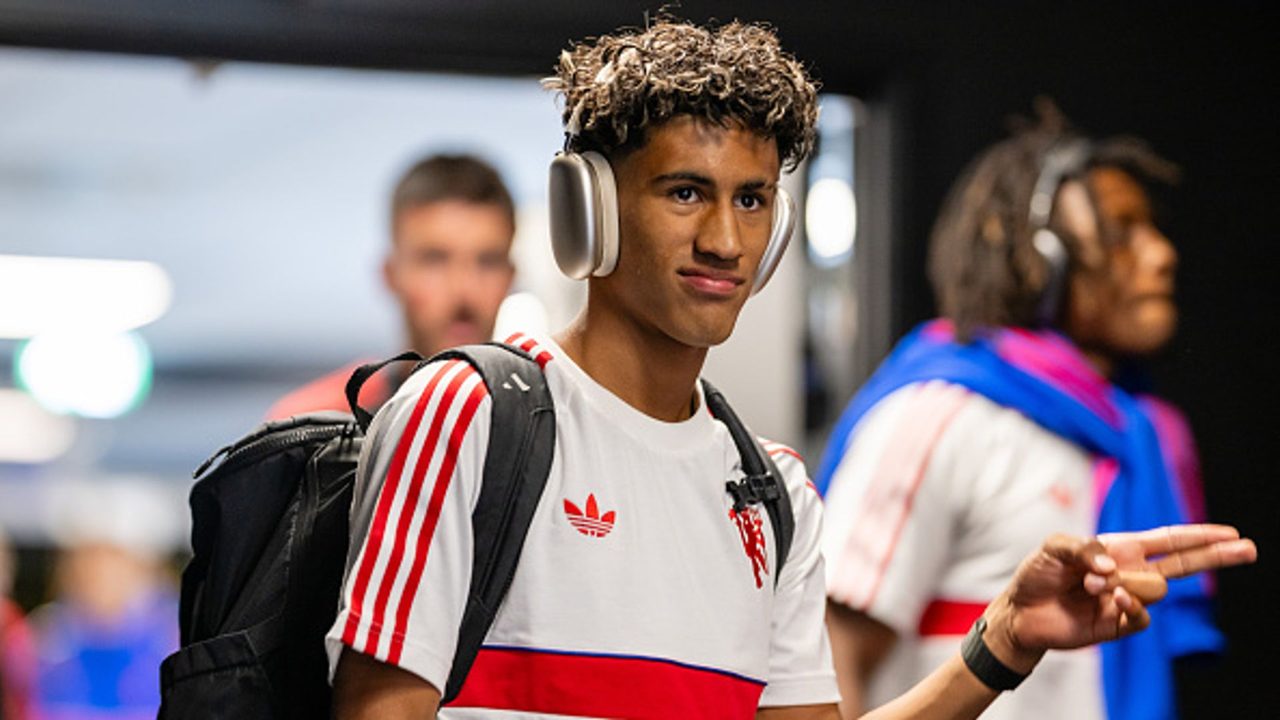
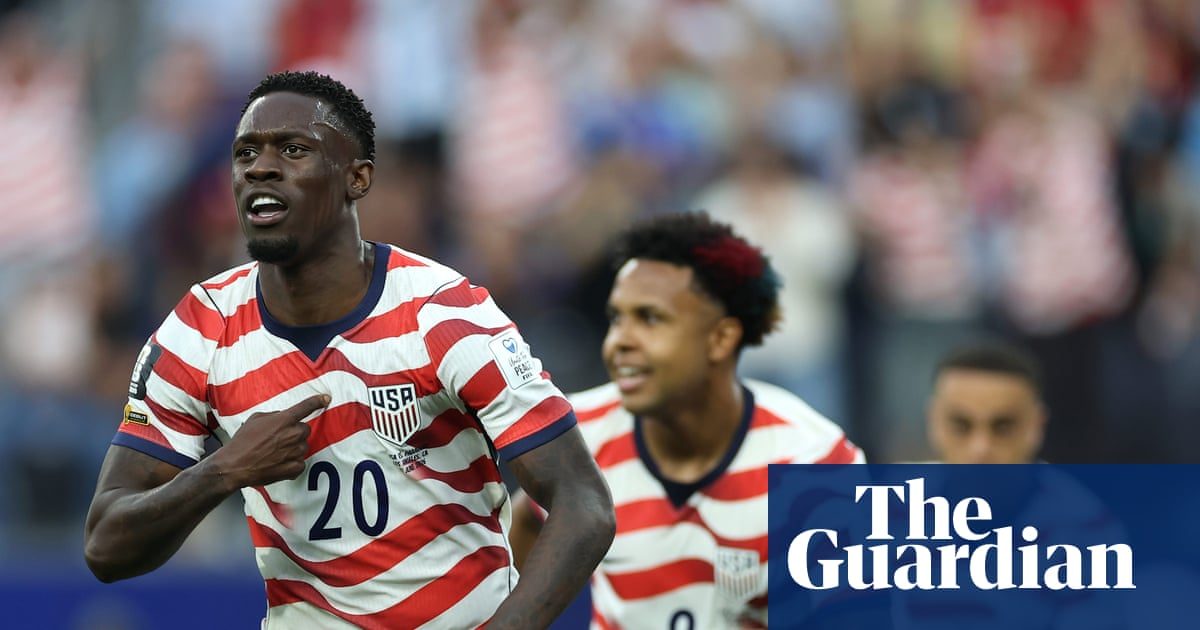
The United States has reached the World Cup round of 32 to play Bosnia and Herzegovina next Wednesday, despite a 3-2 loss to Turkey on Thursday. Their campaign, which opened with a 4-1 victory over Paraguay, has been powered by players like Folarin Balogun, a British Nigerian who leads the team in scoring. The on-pitch success stands in stark contrast to the host nation's immigration politics, highlighted when the Department of Homeland Security posted an image of Balogun, Sergiño Dest and Chris Richards under the banner "DEFEND THE HOMELAND" on Juneteenth.
Dest was born in the Netherlands, Richards is a military brat raised in Europe, and Balogun gained his passport through birthright citizenship. For European observers, this American contradiction is familiar. The European teams competing at this tournament are themselves monuments to global migration, relying heavily on the very diaspora networks that exclusionary political movements on both continents often decry.
The Netherlands has seen all nine of its tournament goals scored or assisted by players of African or Indonesian descent. Belgium’s squad features the sons of Congolese, Senegalese and Ghanaian immigrants. Spain’s standout is Lamine Yamal, who highlights his Moroccan and Equatoguinean heritage, while France has maintained a diverse model that delivered World Cup victories in 1998 and 2018. Even England’s depth is tied to players who could have opted for African or Caribbean nations.
This diaspora-driven success underscores a fundamental economic reality for European football. The advancement of Morocco, South Africa, Côte d’Ivoire, Cape Verde and potentially Senegal to the knockout stage confirms the extraordinary volume of talent flowing from Africa into Europe’s top leagues. This pipeline is the backbone of club and international football on the continent.
The tournament's commercial metrics reflect this demographic shift. Viewership in the US is robust on both Fox and the Spanish-language network Telemundo, a testament to the millions of fans who follow the sport in Spanish. Stadiums in Philadelphia, Houston and Miami have been overwhelmed by Haitian, Congolese and Cape Verdean fans.
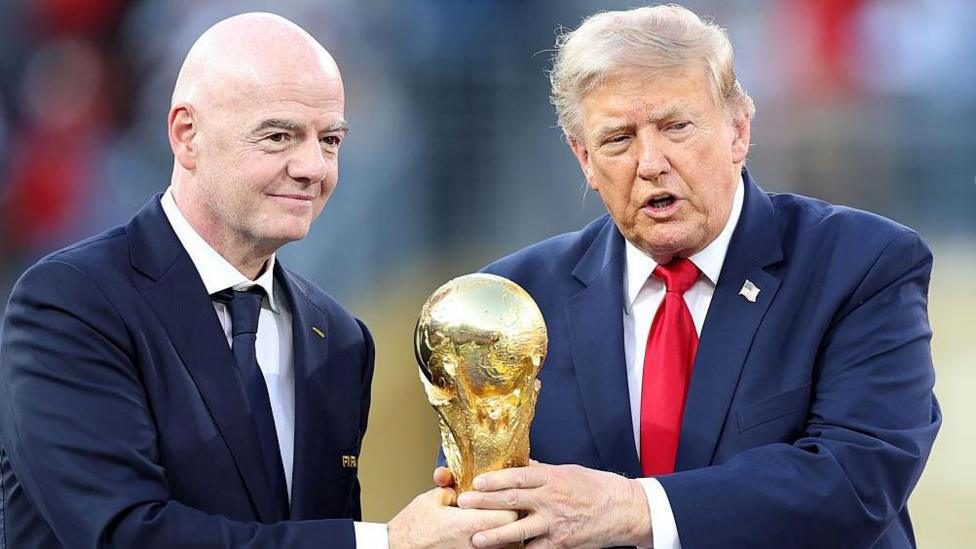
Yet the political backdrop remains fraught. The US administration is challenging the 14th Amendment in the Supreme Court and has restricted tournament travel, turning away a leading referee from Somalia and placing Iran’s players on day-to-day visas. From Alex Freeman, son of Super Bowl champion Antonio Freeman, scoring against Australia to manager Mauricio Pochettino leading the side via Argentina, the tournament proves footballing strength is inseparable from globalised populations.