Qatar warns Gulf escalation poses 'grave danger' and announces new talks with Iran
Qatar warns the US and Iran to "avoid any escalation" as Iran's new attacks in Bahrain and its strikes on Gulf shipping are putting diplomacy under pressure. Qatar's foreign ministry announces new talks with Tehran, aiming to bridge the divide between US and Iran.
Qatar warned on Tuesday that the ongoing escalation in the Gulf poses a “grave danger” to the chances of a deal between the US and Iran, as it announced a meeting with Iranian officials later in the day.
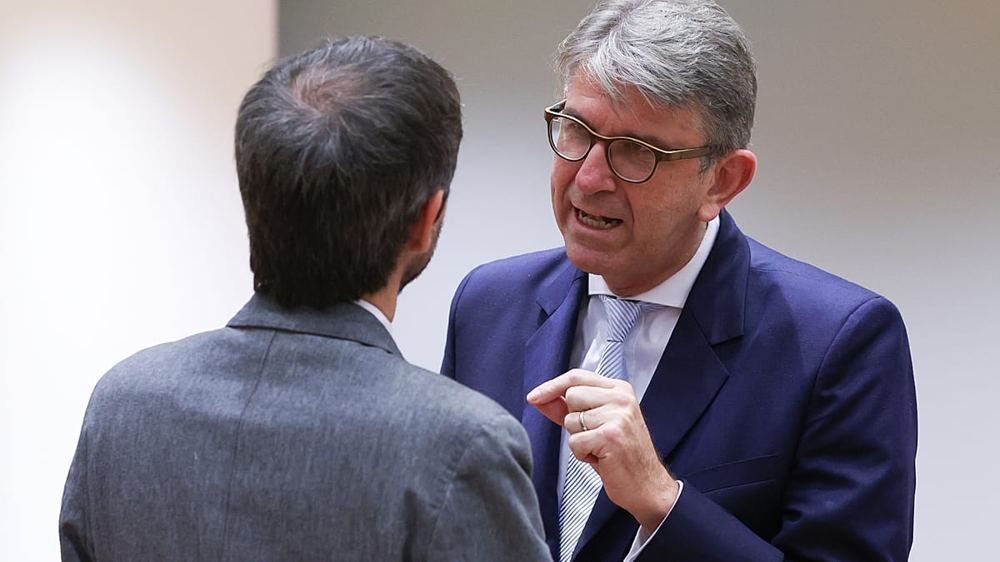
Dr. Majed Al Ansari, spokesperson for Qatar’s foreign ministry, said the risks extended “not only to freedom of navigation and the global economy, but also to the chances of reaching an agreement”.
Speaking at a weekly briefing in Doha, he urged all sides to exercise restraint and avoid further escalation that could undermine negotiations.
The meeting with Iranian officials would focus on proposals already under discussion, he said. He did not give a location or name the participants, describing it as part of regular contacts aimed at narrowing differences between Washington and Tehran.
“Today’s meeting with the Iranian side will take place as part of mediation efforts and an exchange of views on the current proposals,” the Qatari diplomat said, adding that Tuesday's meeting aims to bridge the divide between US and Iran.
His comments came after Iran’s Revolutionary Guards said they had launched drones at a US radar system at Bahrain’s Sheikh Isa Airbase on Tuesday.
Bahrain, home to the US Navy's Fifth Fleet, and US' Central Command (CENTCOM) said that they intercepted the drones, without any damage.
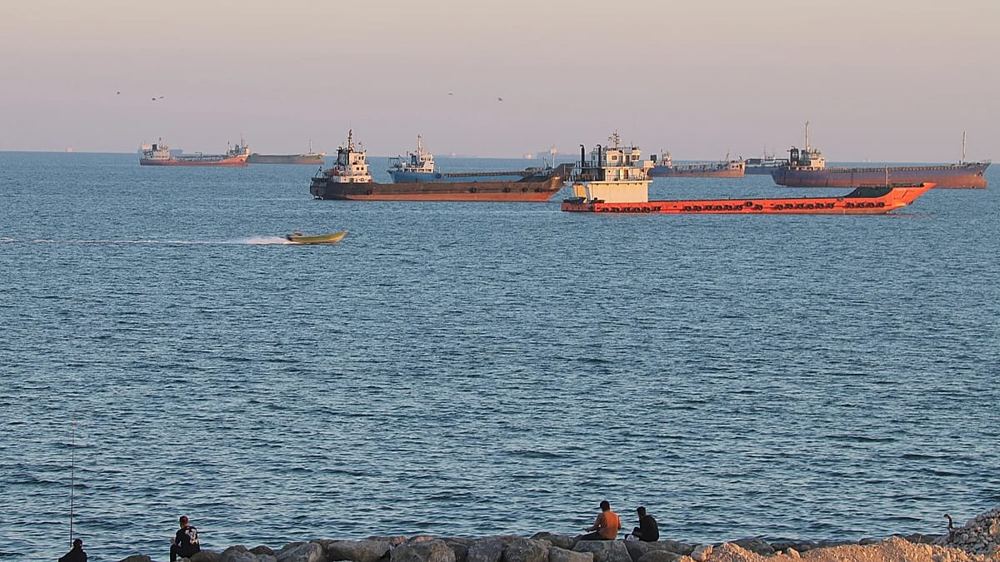
Separately, Iran's attacks on vessels in the Strait of Hormuz continued on Tuesday with a tanker’s crew being unaccounted for after the ship was struck for a second time north of Oman’s Khasab, the United Kingdom Maritime Trade Operations agency said on Tuesday. The second strike caused a fire on board.
US President Donald Trump has said he will maintain the naval blockade on Iran, while Tehran continues to disrupt shipping through the Strait of Hormuz, a key route for Gulf oil and gas exports.
Al Ansari warned that the continuing stand-off was affecting global energy markets and food security, as well as the economies and security of Gulf states.
“It is in no one’s interest to remain in this situation and enter a stalemate,” he said.
Asked about Qatar’s contacts with its Gulf neighbours, he said coordination was continuing, pointing to recent meetings with Saudi and Emirati officials.
Diplomatic efforts were also under way in Oman, where Iranian Foreign Minister Abbas Araghchi met his Omani counterpart, Badr Albusaidi, on Tuesday. Oman’s foreign ministry said they discussed ways to prevent further escalation and protect international shipping.