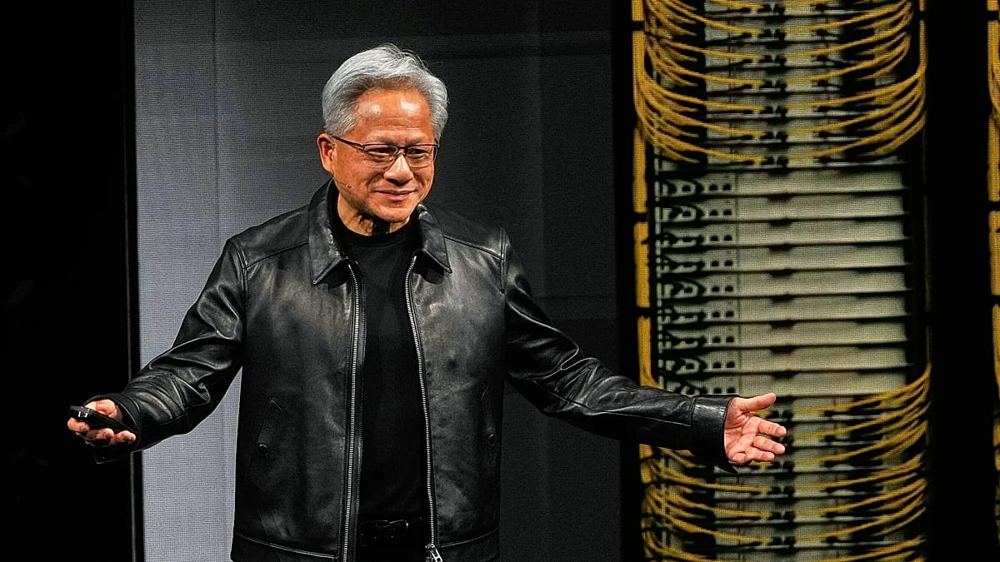
Jensen Huang to face US Congress interviews on Nvidia’s sales to China on 1 December
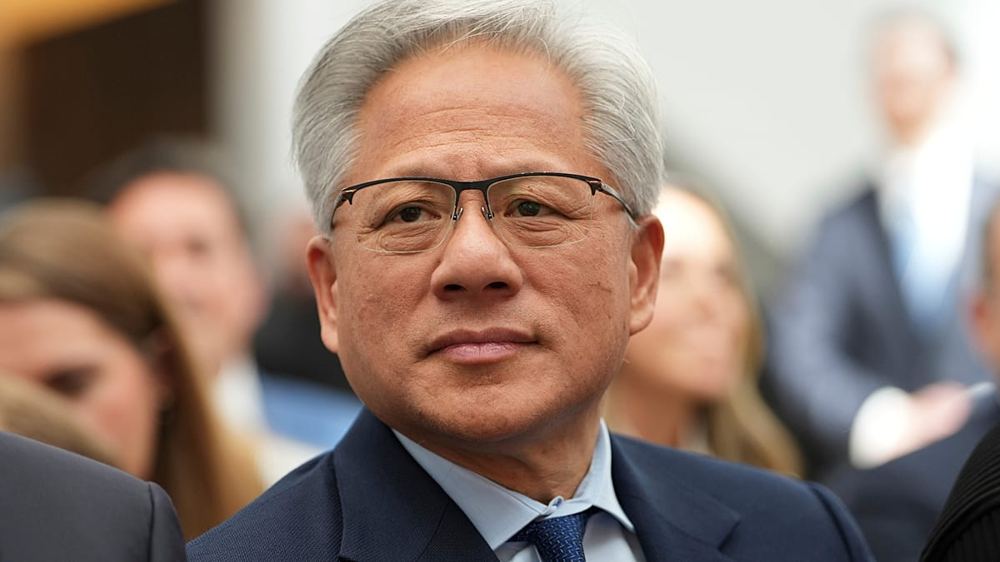
Huang is set to appear before the United States' House Foreign Affairs Committee, the Select Committee on the Chinese Communist Party and the House Intelligence Committee on 1 December.
Nvidia's cofounder Jensen Huang will sit for a closed-door transcribed interview on 1 December before the US House Foreign Affairs Committee, Intelligence and the Select Committee on the Chinese Communist Party.
It comes after he resigned as CEO of the chip giant following reported extramarital affairs, including with an alleged Chinese spy.
Nvidia General Counsel Tim Teter will then sit for a closed-door transcribed interview a day later on 2 December.
"We look forward to hearing from Jensen Huang and Tim Teter on their roles in a potential breach of our national security," said Republican representatives Brian Mast, John Moolenaar, and Rick Crawfor, the chairs of the Foreign Affairs, China Select and Intelligence Committees in a press release.
"The American people need answers on Mr. Huang and Nvidia’s role in allowing dangerous PRC actors to access our most advanced chips, as well as the role of a potential Chinese intelligence asset in this scandal," they said.
The US bans the sale of the most advanced chips to China as part of its strategy to stay ahead of Beijing in the race to lead AI. This measure came under former President Joe Biden, who signed the CHIPS Act into law.
Under the Trump administration, Huang lobbied the US to relax its export controls on chips to China, with several meetings with President Donald Trump.
Trump eventually allowed the export of its H200 chips, which are more powerful, to China in exchange for 25% of the revenue.
On Monday, the US Commerce Department unveiled new restrictions that will make it harder for some countries, such as China, Russia and Iran, to access the most advanced artificial intelligence chips through data centres located in other countries.